
What is Telemedicine? Your Guide to Virtual Care
Unlock convenient, accessible healthcare from anywhere with our comprehensive guide to understanding telemedicine.
Explore Virtual CareKey Takeaways
- ✓ Telemedicine uses technology for remote healthcare services.
- ✓ It encompasses virtual appointments, remote monitoring, and digital health education.
- ✓ Offers convenience, reduces travel time, and improves access to specialists.
- ✓ Widely covered by insurance, including Medicare and Medicaid, in the US.
- ✓ Effective for managing chronic conditions, routine check-ups, and urgent care.
How It Works
Select a healthcare provider or service and book an appointment online or via phone. You'll typically receive confirmation and instructions for your virtual visit.
At the scheduled time, log into the secure telemedicine platform using a computer, tablet, or smartphone. You'll connect with your doctor via video, phone call, or secure messaging.
During the virtual visit, you'll discuss your symptoms and medical history. The provider will assess your condition, offer a diagnosis, and recommend a treatment plan, which may include prescriptions.
Your provider may schedule follow-up virtual appointments or recommend in-person visits if needed. Prescriptions can be sent directly to your pharmacy, ensuring seamless care.
Understanding the Evolution of Remote Healthcare
 Photo: Gustavo Fring / Pexels
Diverse Applications and Services of Telehealth
 Photo: www.kaboompics.com / Pexels
Benefits and Challenges of Adopting Virtual Care
 Photo: www.kaboompics.com / Pexels
Maximizing Your Telemedicine Experience: Tips for Patients
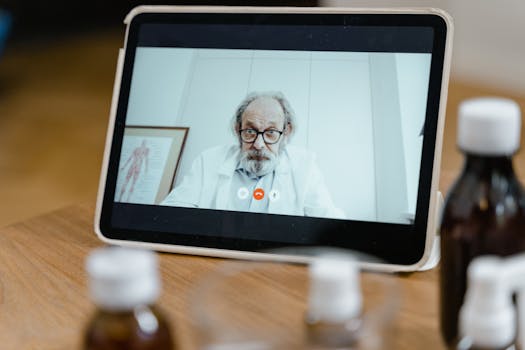 Photo: Tima Miroshnichenko / Pexels
Comparison
| Feature | Telemedicine | In-Person Visit | Urgent Care Clinic |
|---|---|---|---|
| Convenience | High (from anywhere) | Low (travel, parking) | Medium (travel, wait) |
| Accessibility | High (remote areas, mobility issues) | Medium (geographical limits) | Medium (location-dependent) |
| Cost (Average) | Lower (often less co-pay) | Higher (office visit fees) | Variable (can be high) |
| Wait Time | Short (scheduled appointments) | Long (scheduling, waiting rooms) | Short to Medium (walk-in) |
| Physical Exam | Limited (visual, patient-guided) | Comprehensive | Basic to Moderate |
| Chronic Care Management | ✓ | ✓ | ✗ |
| Prescription Refills | ✓ | ✓ | ✗ |
| Emergency Care | ✗ | ✓ | Limited (for non-life threatening) |
What Readers Say
"I used to dread going to the doctor, but telemedicine has changed everything. My virtual appointment for a sinus infection was so easy and convenient. I got a diagnosis and prescription without leaving my home, saving me hours."
Sarah J. · Austin, TX"Living remotely, getting to a specialist used to be a whole-day affair. With telemedicine, I can now consult with my endocrinologist regularly via video. It's truly a lifesaver for managing my diabetes."
David M. · Rural, PA"My kids often get sick at the worst times. Being able to do a quick video call with a pediatrician for a rash or fever has saved us countless trips to urgent care. The care is excellent, and it's so much less stressful."
Emily R. · Chicago, IL"Telemedicine is incredibly convenient for follow-ups and routine check-ins. While I prefer in-person for initial diagnoses, for ongoing care, it's a fantastic option, though sometimes I miss the direct physical interaction."
Michael S. · Los Angeles, CA"As a busy professional, finding time for therapy was tough. Telehealth has allowed me to consistently connect with my therapist, fitting sessions into my schedule without disrupting my work. It's made a huge difference in my mental well-being."
Jessica L. · Orlando, FLFrequently Asked Questions
What types of conditions can be treated via telemedicine?
Telemedicine is suitable for a wide range of non-emergency conditions, including colds, flu, allergies, rashes, minor infections (like UTIs or pink eye), chronic disease management (diabetes, hypertension), mental health consultations, prescription refills, and post-operative follow-ups. For serious emergencies or conditions requiring physical examination or immediate intervention, in-person care is necessary.
Is telemedicine secure and private?
Yes, reputable telemedicine platforms are designed with robust security measures to protect patient privacy. They are typically HIPAA-compliant, using encrypted connections and secure data storage to ensure your health information remains confidential. Always ensure you are using a trusted platform provided by your healthcare provider.
How do I prepare for my first telemedicine appointment?
To prepare, ensure you have a stable internet connection and a charged device. Find a quiet, private space. Have your medical history, current medications, and a list of symptoms or questions ready. Test your camera and microphone beforehand to avoid technical delays during your virtual visit.
Does insurance cover telemedicine services?
In the US, most major insurance providers, including Medicare and Medicaid, now cover telemedicine services. Coverage can vary by plan and state, so it's always best to check with your specific insurance provider beforehand to understand your benefits and any potential co-pays.
How does telemedicine compare to an in-person doctor visit?
Telemedicine offers unparalleled convenience, accessibility, and often lower costs for non-urgent care. In-person visits allow for comprehensive physical examinations, lab tests, and imaging, which are crucial for complex diagnoses or emergencies. Both have their place, and the best choice depends on the specific medical need.
Who should use telemedicine services?
Telemedicine is ideal for individuals seeking convenient access to care for routine conditions, chronic disease management, mental health support, or prescription refills. It's particularly beneficial for those in rural areas, with limited mobility, busy schedules, or seeking to minimize exposure to illness in waiting rooms.
Are there any risks associated with telemedicine?
While generally safe, potential risks include misdiagnosis if a physical exam is critical for the condition, technical glitches disrupting the consultation, or privacy breaches if using unsecured platforms. Choosing a reputable provider and being honest about symptoms can mitigate these risks. It's not suitable for emergencies.
What does the future hold for telemedicine?
The future of telemedicine is bright, with continued integration of AI, remote monitoring devices, and virtual reality for more immersive and personalized care. Expect expanded service offerings, greater interoperability between systems, and a more seamless blend of virtual and in-person care, making healthcare even more patient-centric and efficient.
Understanding what is telemedicine opens doors to a more flexible and accessible approach to your health. Embrace the convenience and efficiency of virtual care to manage your well-being on your terms. Explore how telemedicine can fit into your life today.