What is Telehealth and How Does it Work? Your Complete Guide
what is telehealth

What is Telehealth and How Does it Work? Your Complete Guide

Explore the world of virtual healthcare, from online consultations to remote monitoring, and understand how it's reshaping medical access.

Start Your Virtual Care Journey

Key Takeaways

  • ✓ Telehealth encompasses a broad range of technologies and services to provide care remotely.
  • ✓ It improves access to specialists, particularly for those in rural areas or with mobility issues.
  • ✓ Common telehealth services include video consultations, remote patient monitoring, and e-prescribing.
  • ✓ Telehealth has seen significant growth, especially post-pandemic, becoming a mainstream healthcare option.

How It Works

1
Scheduling Your Virtual Appointment

Patients typically schedule an appointment through a provider's online portal or app. They select a convenient time and often complete pre-visit forms digitally.

2
Connecting with Your Provider

At the scheduled time, patients join a secure video conference call or communicate via phone/chat. This connection allows for real-time consultation and assessment.

3
Receiving Diagnosis and Treatment

The provider assesses symptoms, reviews medical history, and offers a diagnosis. They can then recommend treatment, prescribe medication, or suggest further in-person care.

4
Follow-Up and Remote Monitoring

Post-appointment, patients might receive follow-up instructions or have prescriptions sent electronically. Some conditions allow for continuous remote monitoring of vital signs.

Unpacking the Fundamentals: What Exactly is Telehealth?

Medical professional conducting a virtual consultation with a laptop and stethoscope. Photo: https://kaboompics.com/ / Pexels
In an increasingly connected world, the way we access and receive healthcare is undergoing a profound transformation. At the forefront of this revolution is telehealth, a term that has become ubiquitous yet often misunderstood. So, what exactly is telehealth, and why is it so pivotal in modern medicine? Fundamentally, telehealth refers to the use of electronic information and telecommunications technologies to support long-distance clinical healthcare, patient and professional health education, public health, and health administration. It's a broad umbrella term that covers a vast array of services, distinguishing itself from the narrower term 'telemedicine,' which primarily focuses on remote clinical services. While telemedicine is a component of telehealth, telehealth encompasses a much wider scope, including non-clinical services like administrative meetings, continuing medical education, and even public health initiatives. The core principle behind telehealth is to break down geographical barriers and enhance access to quality medical care. Imagine living in a rural area, hundreds of miles from a specialist, or having a chronic condition that makes frequent travel to a clinic difficult. Telehealth offers a lifeline, bringing expert medical advice directly to your home. It leverages everyday technologies – smartphones, tablets, computers, and internet connections – to facilitate interactions between patients and healthcare providers. These interactions can range from a simple video consultation for a common cold to complex remote monitoring for heart conditions, or even virtual therapy sessions for mental health. The ultimate goal is to make healthcare more convenient, efficient, and accessible for everyone, irrespective of their location or physical limitations. Historically, the concept of remote medical advice isn't new; telephone consultations have existed for decades. However, advancements in digital technology, particularly high-speed internet and sophisticated communication platforms, have propelled telehealth into a new era. The COVID-19 pandemic served as a major catalyst, forcing healthcare systems worldwide to rapidly adopt and scale telehealth services. This period highlighted its immense potential not just as an emergency measure but as a sustainable, integral part of the healthcare ecosystem. Governments and insurance providers also quickly adapted, expanding coverage and regulations to support its widespread use. This shift has cemented telehealth's role, moving it from a niche service to a mainstream option for millions of Americans. Understanding the nuances of telehealth is crucial for both patients and providers. For patients, it means understanding how to schedule, prepare for, and participate in virtual appointments. For providers, it involves mastering new technologies, ensuring patient privacy and data security, and adapting clinical practices to a virtual setting. The benefits are multifold: reduced travel time and costs, less time off work, lower exposure to infectious diseases in waiting rooms, and enhanced continuity of care. It also allows for more personalized care, as providers can sometimes gain a better understanding of a patient's home environment or daily routines, which can be critical for managing certain conditions. As we delve deeper into how telehealth works, it becomes clear that it's not just a temporary fix but a permanent fixture poised to redefine the future of healthcare.

How Telehealth Works: A Step-by-Step Breakdown of the Process
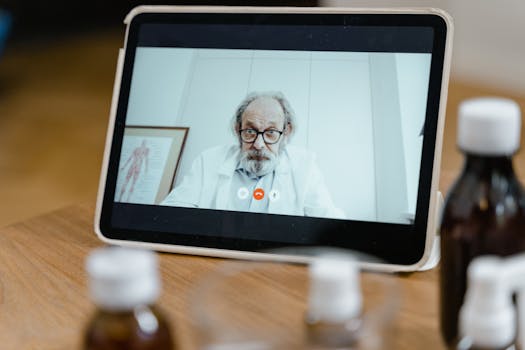
Elderly male doctor in white coat on a digital tablet screen during a virtual medical consultation. Photo: Tima Miroshnichenko / Pexels
Understanding how telehealth actually functions in practice demystifies the process and helps patients feel more comfortable embracing this modern approach to healthcare. While the specific steps can vary slightly depending on the provider or platform, the general workflow of a telehealth visit follows a predictable and user-friendly pattern, designed for convenience and efficacy. The journey typically begins with scheduling an appointment. Most healthcare providers offering telehealth services will have an online portal, a dedicated app, or a phone number for scheduling. Patients can often choose their preferred provider, select an available time slot, and specify the reason for their visit. During this initial phase, you might be asked to complete digital intake forms, much like you would in a traditional office visit, providing details about your medical history, current symptoms, and insurance information. This ensures the provider has all necessary data before the consultation. Once your appointment is scheduled, you'll usually receive a confirmation with instructions on how to connect. This often involves a secure link to a video conferencing platform or a designated phone number. It's crucial to ensure you have a stable internet connection, a quiet and private space, and a device with a working camera and microphone (for video calls). Many platforms offer a test run feature to check your setup before the actual appointment, preventing technical glitches. At the appointed time, you simply click the link or dial the number, and you're connected directly with your healthcare provider. This virtual waiting room experience is often much shorter and more comfortable than a physical one. During the virtual consultation, the interaction largely mirrors an in-person visit. Your provider will greet you, confirm your identity, and discuss your symptoms and concerns. They will ask questions about your medical history, lifestyle, and any medications you are currently taking. Depending on the nature of the visit, they might guide you through a self-examination, asking you to describe or show certain physical signs. For instance, they might ask you to palpate an area of pain or demonstrate your range of motion. While a physical touch examination isn't possible, skilled telehealth providers are adept at gathering crucial information through observation and detailed questioning. This diagnostic phase is central to determining the best course of action. Following the assessment, your provider will discuss their findings, offer a diagnosis if possible, and recommend a treatment plan. This could include prescribing medication, which can be sent electronically to your preferred pharmacy, advising on at-home care, or suggesting over-the-counter remedies. If your condition requires an in-person examination, lab tests, or specialized imaging, the provider will guide you on the next steps, often helping to coordinate referrals. Post-consultation, you might receive a summary of your visit, follow-up instructions, or reminders for future appointments. For chronic conditions, remote patient monitoring devices can transmit vital signs or other health data directly to your care team, allowing for continuous oversight without constant in-person visits. This entire process is designed to be seamless, secure, and patient-centric, making healthcare more accessible and integrated into daily life.

Diverse Applications and Key Benefits of Telehealth Services

Senior doctor in a lab coat conducting a virtual consultation using a laptop in an office setting. Photo: Tima Miroshnichenko / Pexels
The versatility of telehealth extends far beyond simple doctor-patient video calls, encompassing a wide array of services that cater to diverse medical needs and patient demographics. Understanding these diverse applications highlights the profound impact telehealth is having on healthcare delivery. One of the most common applications is primary care consultations, where patients can discuss minor ailments, manage chronic conditions, or get routine check-ups without leaving home. This is particularly beneficial for busy individuals, parents with young children, or those with mobility challenges. Mental health services have also seen a massive surge in telehealth adoption. Virtual therapy, counseling, and psychiatric appointments have made mental health support more accessible, reducing stigma and wait times often associated with in-person care. This has been a game-changer for many seeking consistent psychological support. Beyond basic consultations, telehealth plays a crucial role in specialty care. Patients in remote areas can consult with specialists – cardiologists, dermatologists, endocrinologists, and more – who might otherwise be geographically inaccessible. This eliminates the need for long-distance travel, saving time, money, and reducing stress. Remote patient monitoring (RPM) is another significant application, especially for individuals with chronic conditions like diabetes, hypertension, or heart disease. RPM devices, such as smart blood pressure cuffs, glucose meters, or wearable sensors, automatically transmit data to healthcare providers. This allows for continuous oversight, early detection of issues, and proactive intervention, often preventing hospital readmissions or worsening conditions. It empowers patients to take a more active role in managing their health while providing peace of mind. Emergency care and urgent care clinics are also leveraging telehealth to triage patients, offer immediate advice for non-life-threatening conditions, and determine if an in-person visit is truly necessary. This can reduce unnecessary emergency room visits and alleviate the burden on overwhelmed healthcare facilities. Furthermore, telehealth facilitates e-prescribing, allowing providers to electronically send prescriptions to pharmacies, and offers e-consults, where primary care physicians can quickly get advice from specialists on behalf of their patients without requiring a direct patient-specialist visit. These backend applications streamline processes and improve inter-provider communication, ultimately benefiting patient care. The future of healthcare is increasingly intertwined with these technological advancements. The benefits stemming from these diverse applications are compelling. Firstly, enhanced access to care is perhaps the most significant advantage, particularly for underserved populations. Secondly, convenience and flexibility improve patient satisfaction and adherence to treatment plans. Patients can fit appointments into their busy schedules more easily, leading to fewer missed appointments. Thirdly, cost-effectiveness is a major draw; telehealth can reduce travel expenses, lost wages from time off work, and potentially lower overall healthcare costs by preventing more severe conditions that require costly interventions. Fourthly, it promotes continuity of care, allowing patients to maintain relationships with their providers even if circumstances change. Lastly, it minimizes exposure to infectious diseases, a benefit that became acutely clear during the recent pandemic. These advantages collectively make telehealth an indispensable tool in modern healthcare.

Navigating Telehealth: Tips for a Smooth Experience and Common Pitfalls to Avoid

Senior male doctor using laptop for telehealth consultation in office setting. Photo: Tima Miroshnichenko / Pexels
While telehealth offers unparalleled convenience and access, a successful virtual visit isn't always automatic. A little preparation and awareness of common pitfalls can significantly enhance your experience. To ensure a smooth telehealth appointment, start by preparing your technology. Test your internet connection, camera, and microphone well in advance. A strong, stable Wi-Fi connection is crucial for video calls. Ensure your device is fully charged or plugged in. Download any required apps or software ahead of time and create an account if necessary. Familiarize yourself with the platform’s interface so you’re not fumbling with controls during your consultation. Choosing a private, quiet, and well-lit location is equally important. This ensures confidentiality and allows your provider to see and hear you clearly, aiding in their assessment. Preparing yourself and your information is the next vital step. Just as with an in-person visit, have a list of your symptoms, their duration, and any factors that worsen or improve them. Note down any questions you have for your provider. Have a list of your current medications, including dosage and frequency, and be ready to share your medical history, allergies, and any recent lab results or imaging reports. If you have a thermometer, blood pressure cuff, or other home monitoring devices, have them readily available, as your doctor might ask you to take readings during the call. Being organized allows for a more efficient and productive consultation, ensuring all your concerns are addressed within the allotted time. One common pitfall is underestimating the importance of communication. Be as clear and concise as possible when describing your symptoms. Don't hesitate to ask for clarification if you don't understand something your doctor says. Remember that your provider relies heavily on your verbal descriptions and visual cues, so being articulate is key. Another mistake is treating a telehealth visit less seriously than an in-person one. While convenient, it's still a professional medical appointment. Avoid distractions, dress appropriately, and be fully engaged. Don't be afraid to voice concerns if you feel the virtual format isn't suitable for your condition; your provider can advise if an in-person follow-up is necessary. Finally, be aware of privacy and security. Always use a secure, private network (avoid public Wi-Fi) and ensure the telehealth platform is HIPAA-compliant. Never share personal health information over unsecured channels. Understand your insurance coverage for telehealth services, as policies can vary. Some common pitfalls include technical issues like dropped calls or poor audio/video quality, which can be mitigated with pre-checks. Others might involve miscommunication due to lack of visual cues or the inability to perform a physical exam. By taking these proactive steps and being mindful of potential challenges, you can maximize the benefits of telehealth and ensure you receive the best possible care from your virtual appointments.

Comparison

FeatureTelehealthIn-Person VisitUrgent Care Clinic
ConvenienceHigh (from home/office)Low (travel, waiting rooms)Medium (travel, less waiting)
Access to SpecialistsExcellent (geographic reach)Good (limited by location)Limited (general conditions)
Cost-EffectivenessOften lower (no travel, less time off)Higher (travel, time off)Medium (co-pays, less time off)
Physical ExaminationLimited (visual, patient-guided)ComprehensiveComprehensive
Exposure to IllnessMinimalHigher (waiting rooms)Medium
Privacy/SecurityHigh (secure platforms)High (confidential settings)High (confidential settings)

What Readers Say

★ ★ ★ ★ ★

"I was skeptical about what is telehealth and how does it work, but my first virtual visit was seamless. My doctor diagnosed my rash quickly and sent a prescription to my pharmacy within minutes. It saved me a trip to the clinic and hours of waiting."

Sarah J. · Austin, TX
★ ★ ★ ★ ★

"Living far from any specialists, telehealth has been a game-changer. I can now regularly consult with my cardiologist without a 3-hour drive. Understanding what is telehealth and how it works has truly improved my quality of life and access to critical care."

Michael R. · Rural, MT
★ ★ ★ ★ ★

"My therapist switched to telehealth during the pandemic, and I actually prefer it. It's so much easier to fit sessions into my busy schedule, and I feel more comfortable talking from my own home. It’s made consistent mental health care a reality for me."

Emily P. · New York, NY
★ ★ ★ ★ ★

"For minor issues like a cold or prescription refill, telehealth is incredibly convenient. I did have one instance where my internet was spotty, which was frustrating, but overall, it's a fantastic option for quick medical advice and follow-ups. It's not for everything, but for a lot, it's perfect."

David L. · Phoenix, AZ
★ ★ ★ ★ ★

"As a parent, telehealth has been a lifesaver for my kids' minor illnesses. No more dragging sick children to a germ-filled waiting room. We get expert advice and peace of mind from our living room. It's truly revolutionized how our family approaches healthcare."

Jessica M. · Chicago, IL

Frequently Asked Questions

What is the primary difference between telehealth and telemedicine?

Telehealth is a broader term encompassing all remote healthcare services, including clinical care (telemedicine), remote patient monitoring, health education, and administrative meetings. Telemedicine specifically refers to the remote delivery of clinical services, such as virtual doctor visits, diagnoses, and treatment plans.

Is telehealth secure and private for patient information?

Yes, reputable telehealth platforms are designed to be HIPAA-compliant, meaning they employ robust encryption and security measures to protect patient health information. Always ensure you are using a secure, private internet connection and a trusted platform recommended by your healthcare provider.

How do I prepare for a telehealth appointment?

To prepare, ensure you have a stable internet connection, a quiet and private space, and a charged device with a working camera and microphone. Gather your symptoms, medical history, current medications, and any questions you have for your provider. Test your equipment beforehand to avoid technical issues.

Does insurance cover telehealth services?

Most insurance plans, including Medicare and Medicaid, now cover a wide range of telehealth services, especially after regulatory changes prompted by the COVID-19 pandemic. However, coverage can vary by plan and state, so it's always best to contact your insurance provider directly to confirm your specific benefits.

Can telehealth replace all in-person doctor visits?

While telehealth is incredibly versatile and convenient for many conditions, it cannot entirely replace all in-person visits. Conditions requiring physical examinations, laboratory tests, imaging, or hands-on procedures still necessitate a traditional office visit. Telehealth often complements, rather than replaces, traditional care.

Who should consider using telehealth services?

Telehealth is beneficial for a wide range of individuals, including those with busy schedules, limited mobility, chronic conditions requiring frequent monitoring, residents in rural areas with limited access to specialists, or anyone seeking convenient access to primary care, mental health services, or follow-up appointments.

What are the risks associated with telehealth?

Potential risks include technical issues (poor connection, device failure), misdiagnosis due to the absence of a physical exam for certain conditions, and privacy concerns if unsecured platforms are used. However, these risks are mitigated by using reliable platforms, preparing adequately, and knowing when an in-person visit is more appropriate.

What does the future hold for telehealth?

The future of telehealth is bright, with continued integration into mainstream healthcare. Expect advancements in remote diagnostic tools, AI-powered assistance for providers, expanded use of wearable tech for continuous monitoring, and increased government and insurance support, making it an even more integral part of personalized and preventive care.

Understanding what is telehealth and how does it work empowers you to take control of your healthcare journey. Embrace the convenience, accessibility, and efficiency of virtual care to connect with medical professionals and manage your well-being like never before. Explore telehealth options today and discover a new era of personalized health.

Topics: what is telehealthhow telehealth worksvirtual care explainedremote medical servicestelemedicine benefits
Toplash
Leo List

Skihires
Adultwork EstrelaBet Vai de Bet R7 Bet Betão Galera Bet Rainbet Bet9ja Shop SportyBet BetKing Sisal Loto Foot Hollywoodbets YesPlay Odibets RushBet Jugabet BetWarrior BetCity MSport betPawa Fortebet