What is Telehealth Benefits: Your Guide to Modern Healthcare
telehealth benefits

What is Telehealth Benefits: Your Guide to Modern Healthcare

Unlock a world of convenient, accessible, and efficient medical care from the comfort of your home.

Explore Telehealth Now

Key Takeaways

  • ✓ Telehealth offers remote medical care via technology, including video calls, phone, and messaging.
  • ✓ It significantly reduces travel time and costs, enhancing access for rural populations and those with mobility issues.
  • ✓ Telehealth can improve chronic disease management through regular, convenient check-ins.
  • ✓ Many insurance plans, including Medicare and Medicaid, now cover telehealth services.

How It Works

1
Schedule Your Virtual Appointment

Choose a healthcare provider offering telehealth services and book an appointment online or by phone. You'll typically receive instructions on how to connect.

2
Prepare for Your Session

Ensure you have a stable internet connection, a quiet space, and any relevant medical information handy. Log in a few minutes early to test your setup.

3
Connect with Your Provider

Join your virtual appointment via video call, phone, or secure messaging platform. Discuss your symptoms, medical history, and receive professional advice.

4
Receive Treatment & Follow-Up

Your doctor may provide a diagnosis, prescribe medication, or recommend further tests. Follow-up appointments can also be scheduled virtually, ensuring continuous care.

Understanding the Core Advantages of Telehealth Services
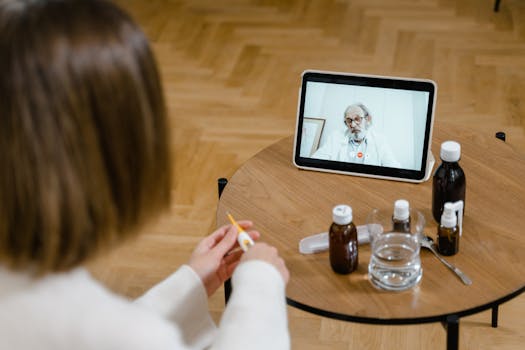
A doctor provides an online consultation via video call on a tablet, seen on a wooden table. Photo: Tima Miroshnichenko / Pexels
Telehealth, at its essence, is the delivery of healthcare services and information via electronic information and telecommunication technologies. It allows long-distance patient and clinician contact, care, advice, reminders, education, intervention, monitoring, and remote admissions. The core advantages extend far beyond simple convenience, fundamentally reshaping how individuals access and experience medical care. One of the most significant benefits is enhanced accessibility. For millions of Americans living in rural areas, access to specialized medical care can be a significant challenge, often requiring hours of travel. Telehealth bridges this geographical gap, bringing specialists directly to patients' homes, regardless of their location. This not only saves time and money but also ensures that critical care is not delayed due to distance. Beyond geography, telehealth dramatically improves access for individuals with mobility issues, chronic conditions that make travel difficult, or those with demanding work schedules. Parents of young children, for example, can consult with a pediatrician without the logistical nightmare of arranging childcare or taking time off work. This democratization of access is a cornerstone of what makes telehealth so revolutionary. Another paramount advantage lies in its potential for cost savings. While the initial perception might be that virtual care is an added expense, the reality is often the opposite. Patients save on transportation costs, parking fees, and potential lost wages from taking time off work. Healthcare systems benefit from reduced overhead associated with physical clinic space and can optimize staff utilization. Furthermore, by facilitating earlier interventions and more consistent management of chronic conditions, telehealth can prevent more severe, and thus more expensive, health crises down the line. Preventative care and timely follow-ups, made easier through virtual platforms, contribute to better long-term health outcomes and lower overall healthcare expenditures. The efficiency gained through telehealth also means less time spent in waiting rooms, a common frustration in traditional healthcare settings. This improved efficiency translates to a more patient-centered experience, where care is delivered promptly and effectively. The ability to quickly connect with a provider for minor ailments or follow-up questions can prevent unnecessary emergency room visits, further contributing to cost efficiencies and appropriate resource allocation within the healthcare system. Understanding the broader impact of medical innovation helps contextualize these advancements. The shift towards virtual care is not just a temporary fix but a fundamental evolution in how we deliver and receive healthcare, driven by technology and a growing demand for more flexible and patient-centric services. This transformation is particularly evident in how it supports continuous care, allowing for more frequent check-ins and adjustments to treatment plans without the burden of in-person appointments. The ease of scheduling and connecting means that patients are more likely to adhere to their treatment regimens, leading to better health management and fewer complications.

Enhanced Convenience and Time Savings with Virtual Consultations
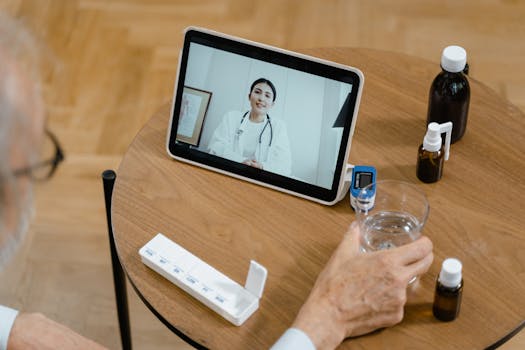
Senior adult having a virtual doctor consultation on a tablet with medications on the table. Photo: Tima Miroshnichenko / Pexels
The unparalleled convenience offered by telehealth is arguably its most immediately recognizable benefit for the average user. Imagine waking up with a sore throat or a rash, and instead of calling your doctor's office, navigating traffic, finding parking, and waiting in a crowded waiting room, you can simply open an app on your smartphone or computer. Within minutes, you're connected to a licensed healthcare professional who can assess your symptoms, offer a diagnosis, and even send a prescription to your local pharmacy. This level of immediacy and ease of access fundamentally changes the patient experience. For busy professionals, parents, or anyone with a tight schedule, the ability to fit a doctor's appointment into a lunch break or after hours, without leaving home or work, is a game-changer. This drastically reduces the friction associated with seeking medical attention, encouraging individuals to address health concerns promptly rather than delaying them until they become more serious. The time saved is not just about the appointment itself, but the entire process surrounding it – travel, waiting, and post-appointment logistics. Beyond acute care, telehealth significantly streamlines the management of chronic conditions. Patients with diabetes, hypertension, or mental health conditions often require regular check-ups, medication adjustments, and ongoing support. Virtual consultations make these frequent interactions far more manageable. Instead of multiple in-person visits each month, which can be taxing and disruptive, patients can have quick, focused virtual check-ins with their care team. This continuity of care is crucial for effective chronic disease management, allowing providers to monitor progress, address concerns, and make timely interventions. The ease of access also fosters a stronger patient-provider relationship, as communication becomes more fluid and less constrained by physical barriers. Patients feel more empowered and engaged in their own health journey when they can easily reach out to their care team. This proactive approach to health management, facilitated by telehealth, can lead to better adherence to treatment plans and improved long-term health outcomes. The convenience factor also extends to prescription refills and follow-up questions, which can often be handled through secure messaging or quick video calls, eliminating the need for additional office visits. This seamless integration of care into daily life is a powerful driver of patient satisfaction and engagement, transforming healthcare from a reactive, episodic service into a continuous, supportive partnership.

Improved Health Outcomes and Specialized Care Access Through Telemedicine

One of the most compelling aspects of what is telehealth benefits is its profound impact on improving health outcomes, particularly for populations traditionally underserved by the healthcare system. By removing geographical and logistical barriers, telemedicine opens doors to specialized care that might otherwise be inaccessible. Patients in remote areas, for instance, can now consult with highly specialized oncologists, neurologists, or mental health professionals without the arduous and often costly journey to urban centers. This expanded access to expertise means that patients receive the most appropriate and advanced care, leading to more accurate diagnoses, better treatment plans, and ultimately, improved prognoses. For conditions requiring ongoing specialist oversight, such as rare diseases or complex chronic illnesses, telehealth ensures consistent access to expert guidance, preventing gaps in care that can lead to adverse health events. Exploring the future of medical technology highlights how these innovations are shaping patient care. Furthermore, telehealth plays a crucial role in enhancing the management of chronic diseases. Regular monitoring, medication adherence checks, and lifestyle counseling can be delivered more frequently and conveniently through virtual platforms. This proactive approach helps prevent exacerbations, reduces hospitalizations, and empowers patients to take a more active role in managing their conditions. For example, a diabetic patient can have weekly virtual check-ins with a nurse or dietitian, making real-time adjustments to their diet or insulin regimen based on their blood glucose readings, which can be remotely transmitted. This continuous engagement and immediate feedback loop are far more effective than sporadic in-person visits. In mental health, telehealth has been a game-changer, providing a discreet and accessible way for individuals to seek therapy and psychiatric care. The comfort of one's own home can reduce the stigma often associated with mental health treatment, encouraging more people to seek help. This increased access to mental health services is critical, especially in areas with a shortage of providers, leading to better mental well-being and reduced societal burden. The ability to conduct virtual follow-ups for post-operative care or after an emergency room visit also ensures that patients receive necessary support and monitoring during critical recovery periods, reducing the risk of complications and readmissions. This comprehensive approach to care, facilitated by telemedicine, underscores its potential to not only treat illness but also promote overall wellness and prevent disease progression.

Navigating Telehealth: Tips for a Seamless Virtual Healthcare Experience

To fully leverage what is telehealth benefits, understanding how to prepare for and engage in virtual appointments is crucial. A seamless experience begins before the call even starts. Here are some essential tips for making the most of your telehealth appointments: * **Ensure a Strong Internet Connection:** A stable and fast internet connection is paramount for video consultations. Test your connection beforehand to avoid interruptions. If your internet is unreliable, consider a phone consultation as an alternative. * **Find a Private and Quiet Space:** Choose a location where you won't be disturbed and where you can speak freely about your health concerns. This ensures confidentiality and allows you to focus entirely on your conversation with the provider. * **Prepare Your Information:** Before your appointment, gather all relevant medical information. This includes a list of your current medications (dosages and frequency), any allergies, recent symptoms, questions you have for the doctor, and your medical history. Having this ready will make the consultation more efficient. * **Test Your Equipment:** If using video, ensure your camera and microphone are working correctly. Log in a few minutes early to test the platform and resolve any technical glitches before your scheduled time. * **Dress Appropriately (if applicable):** While you're at home, remember you're still having a professional medical consultation. Dress comfortably but appropriately, especially if a visual assessment of certain areas might be necessary. * **Take Notes:** Have a pen and paper or a digital note-taking tool ready. It's easy to forget details, especially when discussing complex medical information. Jot down key instructions, diagnoses, and follow-up actions. * **Be Honest and Detailed:** Provide your healthcare provider with a complete and honest account of your symptoms and medical history. Virtual consultations rely heavily on your description, so clarity is key. * **Understand Follow-Up Steps:** Before ending the call, clarify any next steps, including prescriptions, referrals, follow-up appointments, or instructions for self-care. Don't hesitate to ask questions if anything is unclear. By following these tips, you can ensure that your telehealth experience is as effective and beneficial as an in-person visit, maximizing the advantages of this modern healthcare solution.

Comparison

FeatureTelehealthIn-Person VisitUrgent Care ClinicEmergency Room
ConvenienceHighLowMediumVery Low
Cost (Out-of-Pocket)Low to MediumMedium to HighMediumVery High
AccessibilityHigh (anywhere with internet)Limited (geographic)Limited (geographic)High (24/7)
Wait TimeLowMedium to HighMediumVery High
Specialist AccessHighMediumLowVery Low
Chronic Disease ManagementExcellentGoodPoorPoor
Emergency Conditions✗✓✓✓

What Readers Say

★ ★ ★ ★ ★

"Telehealth has been a lifesaver for managing my chronic migraines. I can connect with my neurologist from home, avoiding long drives and painful waiting room experiences. The convenience is unmatched, and my headaches are much better controlled now."

Sarah J. · Austin, TX
★ ★ ★ ★ ★

"Living in a remote area, getting to a specialist used to mean a full day trip. Now, I can see my dermatologist for regular check-ups via video call. It's incredible how much easier and more affordable healthcare has become for me thanks to telehealth."

David L. · Rural, MT
★ ★ ★ ★ ★

"As a busy mom, telehealth allows me to get quick consultations for my kids' minor ailments without disrupting our entire day. The doctor diagnosed an ear infection for my son in minutes, and I had the prescription sent to our pharmacy immediately. It saved us so much hassle!"

Emily R. · Chicago, IL
★ ★ ★ ★ ★

"While I still prefer in-person visits for complex issues, telehealth has been fantastic for prescription refills and follow-up questions. It's incredibly efficient and has reduced my overall healthcare costs by cutting down on unnecessary office visits."

Mark T. · Miami, FL
★ ★ ★ ★ ★

"I started using telehealth for mental health therapy, and it's made a huge difference. Being able to talk to my therapist from the comfort of my home makes me feel more open and less anxious. It's truly revolutionized how I approach my well-being."

Jessica P. · Denver, CO

Frequently Asked Questions

What are the primary benefits of using telehealth services?

The primary benefits of telehealth include significantly improved access to care, especially for those in rural areas or with mobility challenges, enhanced convenience and time savings by eliminating travel and waiting room times, potential cost reductions for both patients and providers, and better management of chronic conditions through more frequent and accessible check-ins. It also reduces exposure to infectious diseases in clinical settings.

Is telehealth as effective as in-person visits for all medical conditions?

Telehealth is highly effective for a wide range of conditions, including routine check-ups, chronic disease management, mental health counseling, prescription refills, and minor acute illnesses. However, it's not suitable for emergencies, conditions requiring immediate physical examination, or procedures. Your doctor will determine if a virtual visit is appropriate for your specific needs.

How do I prepare for a successful telehealth appointment?

To prepare for a successful telehealth appointment, ensure you have a strong internet connection, find a private and quiet space, gather all relevant medical information (medications, symptoms, questions), test your camera and microphone, and log in a few minutes early. Being organized helps maximize the effectiveness of your virtual consultation.

Does insurance cover telehealth services?

Yes, a growing number of insurance providers, including Medicare and Medicaid, now cover telehealth services. Coverage can vary by plan and state, so it's always best to check with your specific insurance provider beforehand to understand your benefits and any associated costs.

How does telehealth compare to traditional in-person care regarding convenience and cost?

Telehealth generally offers superior convenience by eliminating travel and waiting times, allowing appointments from virtually anywhere. In terms of cost, it often reduces out-of-pocket expenses for patients by cutting down on transportation, parking, and time off work, and can lead to fewer expensive emergency room visits for non-urgent issues compared to traditional in-person care.

Who should consider using telehealth services?

Telehealth is beneficial for a wide range of individuals, including those in rural areas, individuals with chronic conditions requiring frequent monitoring, busy professionals, parents of young children, people with mobility issues, and anyone seeking convenient access to mental health services or routine medical advice for non-emergency conditions.

Are my medical data and privacy protected during telehealth sessions?

Yes, reputable telehealth platforms are designed to be HIPAA-compliant, ensuring that your medical data and privacy are protected through secure, encrypted connections. Healthcare providers are bound by the same confidentiality standards as they are for in-person visits, so your information remains secure.

What is the future outlook for telehealth in the US healthcare system?

The future outlook for telehealth in the US healthcare system is robust and expansive. It is expected to become an increasingly integral part of care delivery, with continued growth in adoption, technological advancements, and broader insurance coverage. It will likely play a key role in integrated care models, preventative medicine, and addressing healthcare disparities.

Embrace the future of healthcare by exploring what is telehealth benefits today. Experience the convenience, accessibility, and improved outcomes that virtual care offers, transforming how you manage your health and well-being. Don't let distance or time constraints stand between you and quality medical attention – telehealth is here to empower your health journey.

Topics: telehealth benefitsvirtual healthcare advantagesonline doctor visitsremote medical caretelemedicine convenience
Toplash
Leo List

Skihires
Adultwork EstrelaBet Vai de Bet R7 Bet Betão Galera Bet Rainbet Bet9ja Shop SportyBet BetKing Sisal Loto Foot Hollywoodbets YesPlay Odibets RushBet Jugabet BetWarrior BetCity MSport betPawa Fortebet