What is a Colonoscopy Procedure? Your Ultimate Guide
what is a colonoscopy procedure

What is a Colonoscopy Procedure? Your Ultimate Guide

Demystify this vital medical procedure for colon health and proactive disease prevention.

Learn More Now

Key Takeaways

  • ✓ A colonoscopy is a medical procedure to examine the large intestine (colon) and rectum.
  • ✓ It is the most effective method for detecting and preventing colorectal cancer.
  • ✓ Preparation involves a special diet and bowel cleansing to ensure clear visualization.
  • ✓ The procedure is typically performed under sedation, making it comfortable for the patient.

How It Works

1
Initial Consultation & Scheduling

You'll meet with a gastroenterologist to discuss your medical history and the necessity of the procedure. This is when the appointment is scheduled and prep instructions are provided.

2
Bowel Preparation

This crucial step involves following a clear liquid diet and taking prescribed laxatives to thoroughly cleanse the colon. Proper preparation ensures the doctor can see the colon lining clearly.

3
The Procedure Day

Upon arrival, you'll be given sedation to help you relax and minimize discomfort during the examination. The doctor will then insert a flexible, lighted tube (colonoscope) into your rectum.

4
Recovery & Results

After the procedure, you'll recover from the sedation for a short period before being discharged. Your doctor will discuss initial findings, and any biopsy results will follow later.

Understanding the Purpose of a Colonoscopy

Elderly male doctor with glasses using stethoscope indoors during a medical consultation. Photo: Tima Miroshnichenko / Pexels
A colonoscopy is more than just a diagnostic tool; it's a powerful preventative measure against colorectal cancer, the third most common cancer diagnosed in both men and women in the United States. So, what is a colonoscopy procedure fundamentally designed to achieve? Its primary purpose is to visually examine the entire length of the large intestine (colon) and the rectum using a long, flexible tube called a colonoscope. This instrument has a small camera at its tip, which transmits images to a monitor, allowing the gastroenterologist to meticulously inspect the lining of your bowel for any abnormalities. These abnormalities can include polyps, which are small growths on the lining of the colon that can, over time, develop into cancer. The beauty of a colonoscopy lies in its ability not just to detect these polyps but also to remove them during the same procedure, effectively preventing potential cancer before it even starts. Beyond cancer screening, a colonoscopy is also used to investigate symptoms such as unexplained changes in bowel habits, rectal bleeding, abdominal pain, or unexplained weight loss. It can help diagnose inflammatory bowel diseases like Crohn's disease or ulcerative colitis, diverticulosis, and other conditions affecting the colon. The detailed visual inspection provided by a colonoscopy often offers a more comprehensive diagnosis than other imaging techniques, as it allows for direct visualization and immediate biopsy or removal of suspicious tissues. This dual capability—both diagnostic and therapeutic—makes the colonoscopy an indispensable tool in modern gastroenterology. Understanding its purpose is the first step toward appreciating its critical role in maintaining digestive health and preventing serious illness. The procedure is typically recommended for individuals starting at age 45, or earlier if there's a family history of colorectal cancer or other risk factors. Regular screening, as advised by your physician, significantly increases the chances of early detection and successful treatment.

The Crucial Role of Colonoscopy Preparation
Various glass flasks filled with blue liquid in a scientific setting, perfect for research themes. Photo: cottonbro studio / Pexels
The success and accuracy of what is a colonoscopy procedure hinge almost entirely on the quality of your bowel preparation. Without a thoroughly clean colon, the gastroenterologist may miss small polyps or other abnormalities, necessitating a repeat procedure sooner than expected. Many patients find the preparation process to be the most challenging part of the entire experience, but understanding its critical importance can help motivate adherence. Bowel preparation typically begins a day or two before the procedure. You'll be instructed to follow a clear liquid diet, which includes broth, clear juices (like apple or white grape), plain gelatin, and water. Red, purple, or orange liquids are usually forbidden as they can mimic the appearance of blood in the colon. In addition to dietary restrictions, you'll be prescribed a specific laxative solution. This solution, often consumed in large quantities over several hours, works to flush out all solid waste from your colon. While the taste and volume of the solution can be unpleasant for some, there are various formulations available, and your doctor will choose the one best suited for you. Tips for making the prep easier often include chilling the solution, drinking it through a straw, or mixing it with clear, light-colored liquids (if approved by your doctor). It's absolutely vital to follow your doctor's instructions precisely regarding timing and dosage. Inadequate preparation can lead to obscured views, potentially missing critical findings, and in some cases, requiring the procedure to be rescheduled. Conversely, a well-prepared colon allows the physician to conduct a thorough and efficient examination, maximizing the chances of detecting and removing any precancerous polyps. If you have any concerns or experience significant discomfort during the preparation phase, it's important to contact your doctor's office for guidance. They can offer advice or adjust the regimen if necessary. Remember, a clean colon is a clear view, and a clear view is the best path to a successful colonoscopy and peace of mind regarding your colon health.

What to Expect During the Colonoscopy Procedure Itself
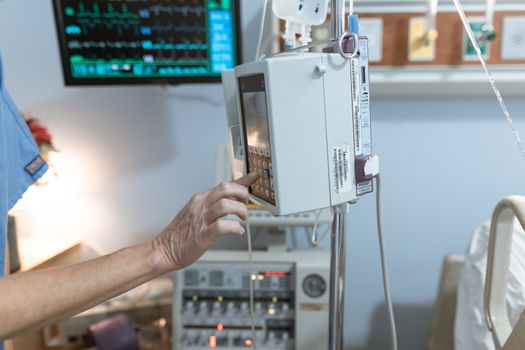
A healthcare worker operates a modern infusion pump in a hospital setting, ensuring precise medication delivery. Photo: RDNE Stock project / Pexels
On the day of your colonoscopy, you'll arrive at the medical facility, typically an outpatient center or hospital. After checking in, you'll be taken to a prep area where you'll change into a gown and an intravenous (IV) line will be started. This IV will be used to administer sedation, which is a cornerstone of ensuring patient comfort during what is a colonoscopy procedure. Most patients receive moderate sedation, also known as conscious sedation, which makes them drowsy and relaxed, often leading to no memory of the procedure itself. In some cases, deeper sedation or general anesthesia might be used, depending on individual patient needs and the physician's preference. Once the sedation has taken effect, you'll be positioned on your side. The gastroenterologist will gently insert the colonoscope into your rectum and advance it through the entire length of the large intestine to the cecum (the beginning of the colon). Air is often gently pumped into the colon through the scope to inflate it slightly, providing a clearer view of the colon lining. This can sometimes cause a feeling of fullness or mild cramping, though the sedation typically minimizes any discomfort. The camera at the tip of the scope transmits high-definition images to a video monitor, allowing the doctor to carefully examine the mucosal lining for polyps, inflammation, bleeding, or other abnormalities. If polyps are found, they are typically removed immediately using tiny instruments passed through the scope. This process is called a polypectomy and is painless. Tissue samples (biopsies) can also be taken from suspicious areas for further laboratory analysis. The entire procedure usually takes between 30 to 60 minutes, though the time can vary depending on the individual's anatomy and whether any polyps need to be removed. The doctor will slowly withdraw the colonoscope, continuing to examine the colon lining on the way out to ensure nothing is missed. Throughout the procedure, your vital signs, such as heart rate, blood pressure, and oxygen levels, will be closely monitored by a nursing team.

Post-Procedure Care and Important Considerations
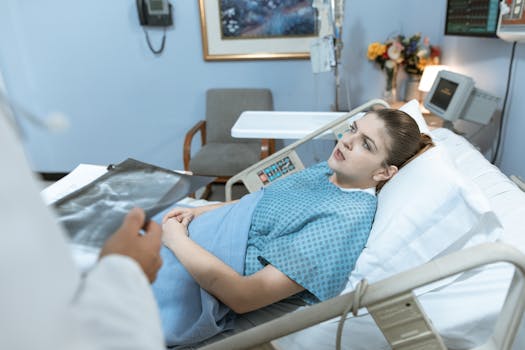
Caucasian woman in hospital bed receiving care from healthcare professional. Photo: RDNE Stock project / Pexels
After your colonoscopy, you'll be moved to a recovery area where you'll slowly wake up from the sedation. It's common to feel a bit groggy or disoriented immediately afterward. You might also experience some mild cramping or gas, which is normal and caused by the air introduced into your colon during the procedure. Walking around can help to relieve this discomfort. Due to the lingering effects of sedation, you will not be allowed to drive yourself home and will need a friend or family member to pick you up. It's also advised to avoid making important decisions or operating heavy machinery for the rest of the day. Your doctor will typically provide preliminary results immediately after you've recovered sufficiently. They will inform you if any polyps were found and removed, or if any other abnormalities were noted. If biopsies were taken, the full results will usually be available within a week or two, and your doctor's office will contact you to discuss them. Here are some important post-procedure considerations: * **Diet:** You can usually resume your normal diet after the procedure, unless otherwise instructed. Start with light, easily digestible foods if you feel nauseous. * **Hydration:** Drink plenty of fluids to rehydrate your body. * **Activity:** Rest for the remainder of the day. You can typically resume normal activities the following day. * **Medications:** Discuss with your doctor when to resume any medications you stopped before the procedure, especially blood thinners. * **Follow-up:** Your doctor will advise you on when your next colonoscopy screening should be, based on the findings of this procedure and your individual risk factors. This could range from 1 year to 10 years. * **When to Call Your Doctor:** While complications are rare, contact your doctor immediately if you experience severe abdominal pain, persistent rectal bleeding (more than a few streaks), fever, chills, or severe dizziness. Adhering to these post-procedure guidelines ensures a smooth recovery and helps you integrate the valuable information gained from your colonoscopy into your ongoing health management.

Comparison

FeatureColonoscopyStool DNA Test (Cologuard)Fecal Immunochemical Test (FIT)
Detection MethodDirect visual exam + biopsyDNA & blood markers in stoolBlood in stool
Polyp Removal✓✗✗
Frequency (Avg. Risk)Every 10 yearsEvery 3 yearsEvery 1 year
PreparationExtensive bowel prepNoneNone
Sedation✓✗✗
InvasivenessInvasiveNon-invasiveNon-invasive
Accuracy (Polyps)HighestModerateLower
Cost (Out-of-Pocket)Higher (often covered by insurance)ModerateLower

What Readers Say

★ ★ ★ ★ ★

"I was so nervous about my colonoscopy, but the team explained what is a colonoscopy procedure in detail and made me feel completely at ease. The prep wasn't fun, but the procedure itself was a breeze thanks to the sedation. So glad I did it!"

Sarah J. · Austin, TX
★ ★ ★ ★ ★

"My doctor found and removed a small polyp during my colonoscopy. Knowing they caught it early gives me immense peace of mind. The staff was professional and the recovery was quick."

David R. · Miami, FL
★ ★ ★ ★ ★

"I had avoided getting a colonoscopy for years due to fear. This experience changed my perspective entirely. The sedation worked wonderfully, and I woke up feeling refreshed with no memory of the actual procedure. Highly recommend for colon cancer prevention."

Maria P. · Denver, CO
★ ★ ★ ★ ★

"The prep for what is a colonoscopy procedure was definitely the hardest part, but the procedure itself was seamless. While the instructions were clear, a bit more guidance on managing the taste of the solution would have been helpful. Overall, a positive and necessary experience."

Robert S. · Chicago, IL
★ ★ ★ ★ ★

"As someone with a family history of colon cancer, understanding what is a colonoscopy procedure and getting regular screenings is paramount. My latest one was efficient, and the doctor was very thorough in discussing the results and my future screening plan."

Jessica L. · Seattle, WA

Frequently Asked Questions

What is the recommended age for a first colonoscopy?

For individuals at average risk of colorectal cancer, the recommended age for a first colonoscopy is generally 45 years old. However, if you have a family history of colorectal cancer, certain genetic syndromes, or other risk factors, your doctor may recommend screening at an earlier age.

Is a colonoscopy painful?

No, a colonoscopy is typically not painful. You will receive sedation before the procedure, which will make you relaxed and drowsy. Many patients have no memory of the procedure itself and experience only mild discomfort, such as gas or bloating, afterward.

How do I prepare for a colonoscopy?

Preparation involves following a clear liquid diet for one to two days before the procedure and taking a prescribed bowel-cleansing solution. It's crucial to follow your doctor's specific instructions precisely to ensure your colon is completely clean for the examination.

How much does a colonoscopy cost, and is it covered by insurance?

The cost of a colonoscopy can vary based on your insurance plan, where the procedure is performed, and whether polyps are removed. Most insurance plans, including Medicare, cover screening colonoscopies, especially since the Affordable Care Act mandated coverage for preventative services without cost-sharing. It's always best to check with your insurance provider for specific coverage details.

What is the difference between a colonoscopy and a sigmoidoscopy?

A colonoscopy examines the entire large intestine (colon) and rectum, allowing for detection and removal of polyps throughout the colon. A sigmoidoscopy, on the other hand, only examines the lower part of the colon (sigmoid colon and rectum) and is a less comprehensive screening tool.

Who should get a colonoscopy?

Individuals aged 45 and older at average risk for colorectal cancer should get regular colonoscopies. Those with a personal or family history of colorectal cancer, inflammatory bowel disease, or certain genetic conditions may need earlier or more frequent screenings as advised by their doctor.

Are there any risks associated with a colonoscopy?

While generally safe, a colonoscopy carries minor risks such as a reaction to sedation, bleeding (especially after polyp removal), or, very rarely, a perforation of the colon wall. Your medical team will discuss these risks with you, and serious complications are exceedingly rare.

What advancements are being made in colonoscopy technology?

Advancements include high-definition colonoscopes for improved visualization, computer-aided detection (CAD) systems to assist in polyp identification, and increasingly patient-friendly bowel preparation methods. Research is also exploring capsule endoscopy for colon screening, though it currently lacks the ability to remove polyps.

Understanding what is a colonoscopy procedure is the first step towards taking control of your digestive health. Don't let fear or misinformation prevent you from this life-saving screening. Talk to your doctor today to see if a colonoscopy is right for you and schedule your appointment for peace of mind.

Topics: what is a colonoscopy procedurecolon cancer screeningcolonoscopy preparationpolyp removalgastroenterology
Toplash
Leo List

Skihires
Adultwork EstrelaBet Vai de Bet R7 Bet Betão Galera Bet Rainbet Bet9ja Shop SportyBet BetKing Sisal Loto Foot Hollywoodbets YesPlay Odibets RushBet Jugabet BetWarrior BetCity MSport betPawa Fortebet