✓ High blood pressure often has no symptoms, earning it the nickname 'the silent killer'.
✓ Primary (essential) hypertension accounts for 90-95% of cases and develops gradually over years.
✓ Secondary hypertension is caused by an underlying condition and can appear suddenly.
✓ Uncontrolled high blood pressure increases the risk of heart attack, stroke, kidney disease, and vision loss.
How It Works
1
Understand the Basics
Blood pressure measures the force of blood against your artery walls. High blood pressure means this force is consistently too high, straining your heart and vessels.
2
Identify Risk Factors
Many factors contribute to high blood pressure, including genetics, lifestyle choices, and certain medical conditions. Recognizing these is the first step towards prevention.
3
Consult Your Doctor
Regular check-ups are crucial for monitoring your blood pressure and diagnosing hypertension early. Your doctor can help identify specific causes and recommend personalized strategies.
4
Adopt Healthy Habits
Lifestyle modifications like a balanced diet, regular exercise, and stress management are powerful tools to prevent and manage high blood pressure, often without medication.
Understanding Primary (Essential) Hypertension: The Silent Majority
Photo: Nataliya Vaitkevich / Pexels
When we talk about what causes high blood pressure, the vast majority of cases, approximately 90-95%, fall under the category of primary, or essential, hypertension. This form of high blood pressure develops gradually over many years, and unlike secondary hypertension, it doesn't have a single, identifiable underlying medical cause. Instead, it's believed to be the result of a complex interplay of genetic predispositions and various lifestyle factors. While no single factor is solely responsible, research has illuminated several key contributors. Genetic inheritance plays a significant role; if your parents or close relatives have high blood pressure, your risk is inherently higher. This suggests a genetic susceptibility that influences how your body regulates blood pressure, processes sodium, and manages stress hormones. However, genetics are not destiny. Lifestyle choices act as powerful modifiers. A diet rich in sodium, often found in processed foods, can lead to fluid retention, increasing blood volume and subsequently blood pressure. Conversely, insufficient potassium intake, common in diets lacking fruits and vegetables, can disrupt the body's sodium balance, further exacerbating the problem. Chronic physical inactivity is another major culprit. Regular exercise strengthens the heart, making it more efficient at pumping blood, which reduces the force on artery walls. A sedentary lifestyle, however, means the heart has to work harder, leading to higher pressure. Obesity is also closely linked; excess weight increases the demand on the circulatory system, requiring more blood to supply oxygen and nutrients to tissues, which elevates blood pressure. Furthermore, chronic stress can contribute by triggering the release of hormones like adrenaline and cortisol, which temporarily narrow blood vessels and increase heart rate. While these effects are usually transient, prolonged stress can lead to sustained elevation. Excessive alcohol consumption can also damage blood vessel walls and interfere with blood pressure regulation. Smoking, while not a direct cause of essential hypertension, significantly damages artery linings, making them stiffer and more prone to plaque buildup, which compounds the risk. Age is another undeniable factor; as we get older, arteries naturally stiffen and narrow, making them less elastic and increasing resistance to blood flow. Understanding these multifaceted contributors to primary hypertension is crucial for both prevention and management, as it highlights the importance of comprehensive lifestyle adjustments. For more information on managing this condition, explore effective strategies for hypertension control.
Secondary Hypertension: Uncovering the Underlying Causes
Photo: Charlss GonzHu / Pexels
While primary hypertension is the most common, understanding what causes high blood pressure also involves examining secondary hypertension. This form is often more sudden and severe than primary hypertension, and crucially, it's caused by an identifiable underlying medical condition. Treating the root cause can often bring blood pressure back to normal levels, making accurate diagnosis paramount. One of the most common causes of secondary hypertension is kidney disease. Healthy kidneys filter blood and remove waste, and they also play a vital role in regulating blood pressure by controlling fluid balance and producing hormones. When kidneys are diseased or damaged, they may fail to remove enough sodium and water, leading to fluid retention and increased blood volume. Conditions like chronic kidney disease, renovascular hypertension (narrowing of the arteries supplying the kidneys), and glomerulonephritis can all elevate blood pressure. Endocrine disorders are another significant contributor. The adrenal glands, located atop the kidneys, produce hormones like aldosterone and cortisol. Conditions such as primary aldosteronism (Conn's syndrome), where the adrenal glands produce too much aldosterone, cause the body to retain sodium and water, raising blood pressure. Cushing's syndrome, characterized by excessive cortisol, can also lead to hypertension. Furthermore, thyroid problems, both hyperthyroidism (overactive thyroid) and hypothyroidism (underactive thyroid), can affect blood pressure regulation. Sleep apnea, a condition where breathing repeatedly stops and starts during sleep, is increasingly recognized as a major cause of secondary hypertension. The frequent drops in oxygen levels and surges in stress hormones during these episodes can damage blood vessel walls and increase blood pressure. Certain medications can also induce or worsen high blood pressure. These include birth control pills, some cold remedies (decongestants), nonsteroidal anti-inflammatory drugs (NSAIDs) like ibuprofen, certain antidepressants, and corticosteroids. Illicit drugs, such as cocaine and amphetamines, are also potent vasoconstrictors that can cause dangerous spikes in blood pressure. Coarctation of the aorta, a congenital heart defect where the aorta (the body's main artery) is narrowed, can also lead to high blood pressure, particularly in younger individuals. Identifying and addressing these specific underlying conditions is key to successfully treating secondary hypertension, often leading to significant improvements in blood pressure control. This makes a thorough medical evaluation essential when high blood pressure is diagnosed, especially if it appears suddenly or at a young age.
Lifestyle Factors and Their Impact on Blood Pressure
Photo: Ketut Subiyanto / Pexels
Beyond specific medical conditions, a multitude of lifestyle choices significantly influence what causes high blood pressure and its progression. These factors are largely within our control and represent powerful levers for prevention and management. Diet is perhaps one of the most impactful. A diet high in sodium, commonly found in processed foods, canned goods, fast food, and salty snacks, leads to fluid retention in the body. This increased fluid volume puts more pressure on artery walls, directly raising blood pressure. Conversely, a diet rich in potassium, magnesium, and calcium, typically found in fruits, vegetables, whole grains, and lean proteins, helps to counteract the effects of sodium and promote healthy blood vessel function. The DASH (Dietary Approaches to Stop Hypertension) diet is a prime example of an eating plan specifically designed to lower blood pressure. Physical inactivity is another major contributor. Regular exercise strengthens the heart, allowing it to pump more blood with less effort. This reduces the force on your arteries and lowers blood pressure. Even moderate physical activity, such as brisk walking for 30 minutes most days of the week, can make a significant difference. A sedentary lifestyle, however, can lead to weight gain and a less efficient cardiovascular system, both of which contribute to higher blood pressure. Obesity is strongly linked to hypertension. Carrying excess weight increases the amount of blood flow needed to supply oxygen and nutrients to tissues, which in turn increases the workload on the heart and the pressure within arteries. Visceral fat, specifically, which accumulates around abdominal organs, is particularly metabolically active and can release substances that contribute to inflammation and insulin resistance, further impacting blood pressure regulation. Chronic stress, while its direct long-term impact on sustained hypertension is still being studied, can certainly contribute to temporary spikes in blood pressure. The body's 'fight or flight' response, triggered by stress, releases hormones that narrow blood vessels and increase heart rate. Over time, frequent stress responses may damage blood vessels and contribute to overall cardiovascular risk. Managing stress through techniques like meditation, yoga, or deep breathing can be beneficial. Alcohol consumption, especially in excess, can raise blood pressure. While moderate alcohol intake (up to one drink per day for women and two for men) might have some cardiovascular benefits for certain individuals, exceeding these limits can lead to significant increases in blood pressure and interfere with blood pressure medications. Smoking is detrimental to cardiovascular health in multiple ways. Nicotine temporarily raises blood pressure and heart rate, and the chemicals in tobacco smoke damage the lining of artery walls, causing them to harden and narrow. This significantly increases the risk of both high blood pressure and related complications like heart attack and stroke. Quitting smoking is one of the most impactful steps an individual can take to improve their blood pressure and overall health. Understanding the profound influence of these lifestyle factors empowers individuals to make informed choices that can prevent, manage, and even reverse high blood pressure. For a deeper dive into the role of diet, consider reading about nutrition for heart health.
Common Mistakes and Practical Tips for Blood Pressure Management
Photo: Gustavo Fring / Pexels
When it comes to understanding what causes high blood pressure and how to manage it, several common mistakes can hinder progress, while practical tips can significantly improve outcomes. One major mistake is ignoring symptoms or assuming high blood pressure will resolve on its own. Since hypertension often has no noticeable symptoms until it reaches dangerous levels, regular blood pressure checks are crucial, even if you feel fine. Another common error is inconsistent medication adherence. Many people stop taking their prescribed blood pressure medication once their readings improve, unaware that the medication is what's keeping it under control. This can lead to dangerous rebounds. Failing to monitor blood pressure at home is also a mistake; home monitoring provides a more accurate picture of your average blood pressure and helps your doctor adjust treatment effectively. Underestimating the impact of diet, particularly sodium intake, is another pitfall. Many people focus on obvious salty foods but overlook hidden sodium in processed goods, breads, and condiments. Lastly, neglecting stress management can undermine other healthy efforts, as chronic stress can contribute to elevated readings.
Here are some practical tips to effectively manage and prevent high blood pressure:
* **Regular Blood Pressure Monitoring:** Invest in a reliable home blood pressure monitor and take readings consistently. Keep a log to share with your doctor.
* **Adopt the DASH Diet:** Focus on fruits, vegetables, whole grains, lean proteins, and low-fat dairy. Limit saturated and trans fats, cholesterol, sodium, and added sugars.
* **Reduce Sodium Intake:** Aim for less than 2,300 milligrams (mg) of sodium per day, and ideally less than 1,500 mg if you have hypertension. Read food labels carefully.
* **Increase Potassium Intake:** Foods rich in potassium like bananas, potatoes, spinach, and avocados can help balance sodium levels.
* **Prioritize Physical Activity:** Engage in at least 150 minutes of moderate-intensity aerobic exercise or 75 minutes of vigorous-intensity exercise per week. Include strength training twice a week.
* **Maintain a Healthy Weight:** Losing even a small amount of weight can significantly impact blood pressure. Aim for a healthy BMI.
* **Limit Alcohol Consumption:** If you drink alcohol, do so in moderation: up to one drink per day for women and up to two for men.
* **Quit Smoking:** This is one of the most impactful steps you can take to improve your cardiovascular health and lower blood pressure.
* **Manage Stress:** Incorporate stress-reducing activities like meditation, yoga, deep breathing exercises, spending time in nature, or engaging in hobbies.
* **Get Enough Sleep:** Poor sleep quality and insufficient sleep can contribute to high blood pressure. Aim for 7-9 hours of quality sleep per night.
* **Regular Doctor Visits:** Adhere to your doctor's recommendations for check-ups and medication. Don't hesitate to ask questions or report any concerns.
By avoiding common mistakes and proactively implementing these tips, individuals can take significant control over their blood pressure, reduce their risk of complications, and foster long-term cardiovascular health.
Comparison
Factor
Lower Risk
Moderate Risk
Higher Risk
Diet
DASH-aligned, low sodium
Standard American Diet
High sodium, processed foods
Exercise
Regular (150 min+/week)
Irregular/Moderate
Sedentary/Inactive
Weight
Healthy BMI
Overweight
Obese
Smoking
Never Smoked
Former Smoker
Current Smoker
Alcohol
Moderate/None
Occasional Binge
Excessive Daily Use
Stress
Managed Effectively
Periodic Stress
Chronic Unmanaged Stress
Family History
None/Limited
Some Relatives
Strong Genetic Predisposition
What Readers Say
★★★★★
"This article was incredibly helpful in understanding what causes high blood pressure. I always thought it was just genetics, but now I see how much my diet and stress levels play a role. It's a wake-up call."
Sarah J. · Austin, TX
★★★★★
"As someone recently diagnosed, I was overwhelmed. This breakdown of primary vs. secondary hypertension and the clear lifestyle factors made it so much easier to grasp what causes high blood pressure and how to start making changes."
Mark T. · Miami, FL
★★★★★
"After reading this, I started monitoring my sodium intake more closely and walking daily. My last blood pressure reading was significantly lower, which my doctor was thrilled about. Small changes truly make a difference!"
Emily R. · Denver, CO
★★★★★
"The information on secondary hypertension was particularly interesting. I've been struggling with high blood pressure for a while, and this article prompted me to ask my doctor about potential underlying causes beyond just lifestyle. Very informative."
David L. · Chicago, IL
★★★★★
"My family has a history of hypertension, and I've been proactively trying to prevent it. This detailed explanation of what causes high blood pressure has given me a solid roadmap for diet, exercise, and stress management to stay healthy."
Jessica M. · Seattle, WA
Frequently Asked Questions
What is the primary cause of high blood pressure?
The primary cause of high blood pressure, known as essential or primary hypertension, is often unknown, developing gradually over years. It's believed to be a combination of genetic factors, lifestyle choices like diet, lack of exercise, and stress, rather than a single identifiable cause.
Can stress alone cause high blood pressure?
While acute stress can cause temporary spikes in blood pressure, it's generally not considered the sole cause of chronic high blood pressure. However, chronic unmanaged stress can contribute to risk factors like poor diet and lack of exercise, and may also directly impact blood vessel health over time.
How can I check if I have high blood pressure?
The only way to know if you have high blood pressure is to have it measured by a healthcare professional or with a reliable home blood pressure monitor. It often has no symptoms, so regular screening is crucial. Your doctor will typically take readings on multiple occasions to confirm a diagnosis.
What is the cost of treating high blood pressure?
The cost of treating high blood pressure can vary widely depending on insurance coverage, medication type, and the need for specialist visits. Lifestyle changes are often low-cost or free, while medications can range from inexpensive generics to more costly brand names. Early detection and management can prevent more expensive complications.
Is high blood pressure always hereditary?
No, high blood pressure is not always hereditary, but genetics do play a significant role. If your parents or close relatives have high blood pressure, your risk is increased. However, lifestyle factors like diet, exercise, and weight can often override genetic predispositions or significantly influence their expression.
Who is most at risk for developing high blood pressure?
Individuals most at risk include those with a family history of hypertension, older adults, people who are overweight or obese, those with a sedentary lifestyle, individuals consuming a high-sodium diet, heavy alcohol drinkers, smokers, and those with underlying conditions like kidney disease or sleep apnea.
Are there any natural remedies for high blood pressure?
While some natural remedies like hibiscus tea or garlic supplements are researched, they should not replace prescribed medication or medical advice. The most effective 'natural remedies' are lifestyle changes: a low-sodium, nutrient-rich diet, regular exercise, maintaining a healthy weight, limiting alcohol, quitting smoking, and managing stress.
What are the long-term consequences of uncontrolled high blood pressure?
Uncontrolled high blood pressure can lead to severe long-term consequences, including heart attack, stroke, heart failure, kidney disease, vision loss, peripheral artery disease, and aneurysm. It damages arteries throughout the body, significantly increasing the risk of life-threatening events.
Understanding what causes high blood pressure is the first vital step toward protecting your heart and overall health. Empower yourself with knowledge, make informed lifestyle choices, and partner with your healthcare provider to manage your blood pressure effectively. Take action today for a healthier tomorrow.
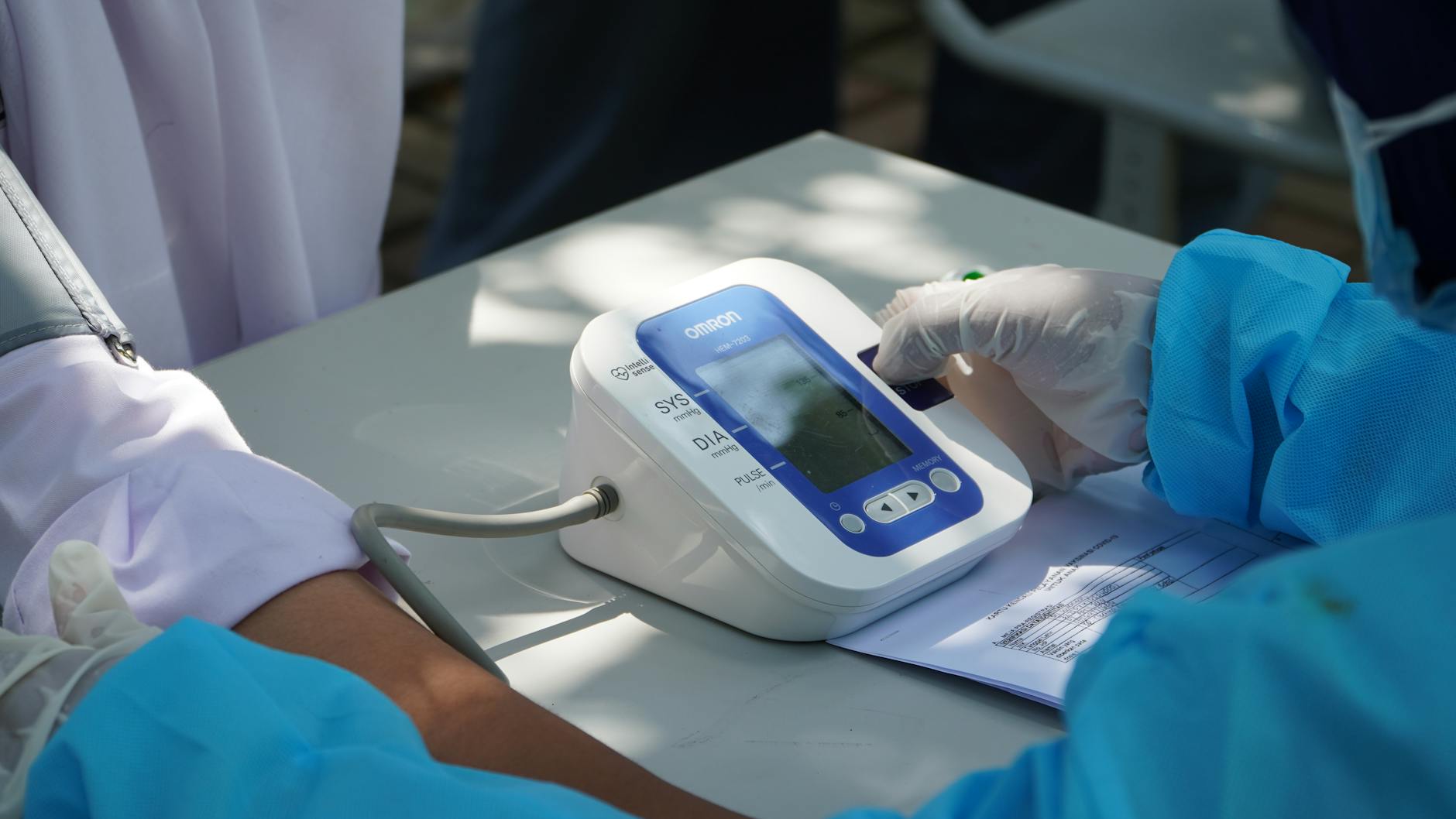
 Photo: Nataliya Vaitkevich / Pexels
 Photo: Charlss GonzHu / Pexels
 Photo: Ketut Subiyanto / Pexels
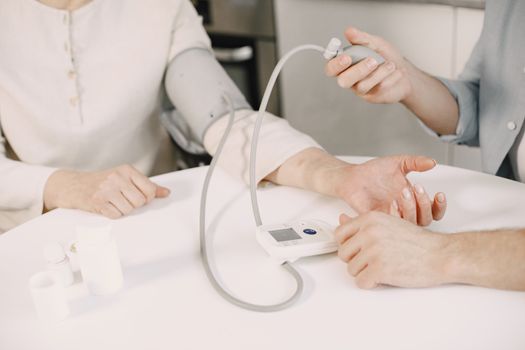 Photo: Gustavo Fring / Pexels