
What Are Preventative Health Screenings? Your Guide to Wellness
Proactive health screenings are your best defense against serious illness, offering early detection and peace of mind.
Start Your Health JourneyKey Takeaways
- ✓ Preventative screenings aim to detect health issues before symptoms appear.
- ✓ They are a cornerstone of modern healthcare, focusing on proactive wellness.
- ✓ Screening recommendations vary by age, sex, family history, and lifestyle.
- ✓ Early detection often leads to more effective treatment and better outcomes.
How It Works
Discuss your personal and family medical history, lifestyle, and any concerns. Your doctor will help determine the appropriate screenings for you.
These may include blood tests, imaging (like mammograms), physical exams, or specialized tests. Screenings are typically quick and minimally invasive.
Your doctor will explain your results, whether they are normal or if further investigation is needed. This is your opportunity to ask questions.
Based on your results, you might receive advice on lifestyle changes, medication, or specialist referrals. Regular follow-ups ensure ongoing health management.
Understanding the Foundation of Preventive Care and Wellness
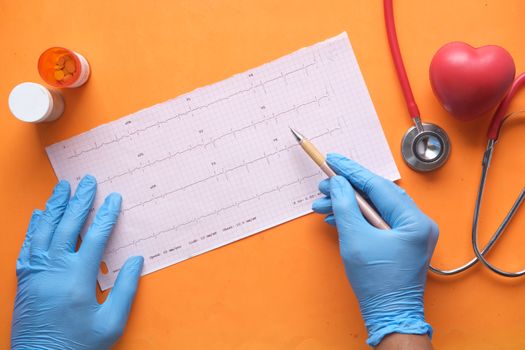 Photo: Towfiqu barbhuiya / Pexels
Essential Preventative Screenings for Different Life Stages
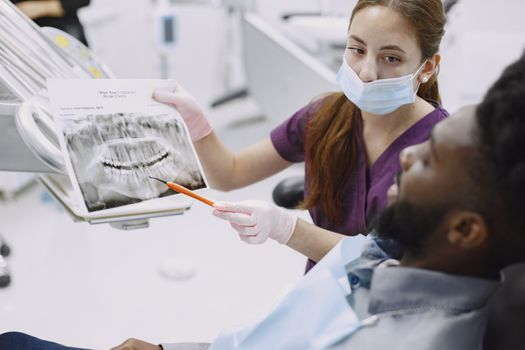 Photo: Gustavo Fring / Pexels
The Profound Benefits of Early Detection and Proactive Health
 Photo: cottonbro studio / Pexels
Navigating Preventative Screenings: Tips and Common Misconceptions
 Photo: Tima Miroshnichenko / Pexels
Comparison
| Screening Type | Primary Purpose | Typical Frequency (General) | Key Benefit |
|---|---|---|---|
| Blood Pressure Check | Detect hypertension | Annually | Prevents heart disease, stroke |
| Cholesterol Screening | Detect high cholesterol | Every 4-6 years (more often with risk factors) | Reduces risk of heart attack |
| Colonoscopy | Detect colorectal cancer | Every 10 years (starting at 45-50) | Early cancer detection and removal |
| Mammogram (Women) | Detect breast cancer | Annually (starting at 40-50) | Improves breast cancer survival rates |
| Pap Test (Women) | Detect cervical cancer | Every 3 years (ages 21-65) | Early detection of precancerous cells |
| Diabetes Screening (A1C) | Detect prediabetes/diabetes | Every 1-3 years (with risk factors) | Prevents diabetes complications |
| Dermatology Skin Check | Detect skin cancer | Annually (with risk factors) | Early detection of melanoma |
What Readers Say
"My annual preventative screenings caught my high cholesterol before it became a serious issue. My doctor helped me make lifestyle changes, and now my numbers are perfect. It really works!"
Sarah J. · Austin, TX"I always thought I was too busy for regular check-ups, but a friend convinced me. My recent colonoscopy found a polyp that could have turned cancerous. I'm so grateful for that screening."
Mark T. · Chicago, IL"After my mammogram detected a tiny lump, we were able to address it immediately. It was caught so early, and the treatment was minimal. Preventative care truly saved me a lot of worry and potential hardship."
Emily R. · Seattle, WA"While my screenings haven't found anything major yet, the peace of mind knowing I'm being proactive about my health is invaluable. Sometimes the waiting for results can be nerve-wracking, but it's worth it."
David L. · Miami, FL"As a busy mother, my preventative health often took a backseat. But after realizing how much my family depends on me, I committed to my screenings. It's empowering to know I'm taking care of myself for them."
Jessica M. · Denver, COFrequently Asked Questions
What is the most important preventative health screening?
There isn't one single 'most important' screening, as the best screenings for you depend on your age, sex, family history, and individual risk factors. However, regular physical exams with your primary care provider are foundational, as they help identify which specific screenings are most relevant to your personal health profile.
Are preventative screenings covered by insurance?
Yes, under the Affordable Care Act (ACA), most private health insurance plans, including those purchased through the marketplace, are required to cover a wide range of preventative services without charging a co-payment or coinsurance, even if you haven't met your deductible. It's always best to check with your specific insurance provider for exact coverage details.
How often should I get preventative health screenings?
The frequency of preventative health screenings varies greatly depending on the specific test, your age, sex, and individual risk factors. For example, blood pressure checks are often annual, while colonoscopies might be every 10 years. Your primary care provider will create a personalized screening schedule for you.
Do preventative screenings hurt?
Most preventative screenings are minimally invasive and generally not painful. Some, like blood draws, may cause a brief pinch. Procedures like colonoscopies are typically done under sedation to ensure comfort. Any potential discomfort is usually temporary and far outweighed by the benefits of early detection.
Can I skip preventative screenings if I feel healthy?
Skipping preventative screenings because you feel healthy is a common misconception and can be a risky choice. The core purpose of these screenings is to detect diseases in their earliest stages, often before any symptoms appear. Many serious conditions, like certain cancers or heart disease, can develop silently. Early detection significantly improves treatment outcomes.
Who should prioritize preventative health screenings?
Everyone should prioritize preventative health screenings, regardless of age or current health status. While recommendations vary by demographic, engaging in preventative care is a universal strategy for maintaining long-term health, detecting potential issues early, and ultimately enhancing quality of life for all individuals.
Are there risks associated with preventative screenings?
While generally safe, some screenings do carry minor risks, such as false positives (leading to unnecessary further testing and anxiety) or rare complications from invasive procedures (e.g., a perforation during a colonoscopy). However, these risks are typically very low and are carefully weighed against the significant benefits of early disease detection by medical professionals.
What's the future of preventative health screenings?
The future of preventative health screenings is exciting, with advancements focusing on more personalized, less invasive, and more accurate methods. This includes genetics-based risk assessments, liquid biopsies for cancer detection, advanced imaging technologies, and the integration of AI and wearable tech to monitor health proactively and predict risks more effectively.
Embrace the power of preventative health screenings to safeguard your future. By understanding what are preventative health screenings and actively participating in your care, you're making a profound investment in a longer, healthier, and more vibrant life. Don't wait for symptoms; take proactive steps today towards enduring wellness.