Fast Relief: Visit a Walk-in Clinic for Strep Throat Today
July 14, 2026 14 min read 2,899 words
Don't let strep throat sideline you. Get quick, convenient care at a walk-in clinic for immediate diagnosis and treatment.
Find a Clinic Near You
Understanding Strep Throat: Symptoms, Causes, and Risks
 Photo: Monstera Production / Pexels
Strep throat, medically known as streptococcal pharyngitis, is a common bacterial infection of the throat and tonsils caused by Streptococcus pyogenes, also known as Group A Streptococcus (GAS). It's highly contagious and can affect people of all ages, though it's most prevalent in children and teenagers. Recognizing the symptoms early is crucial for timely treatment and preventing potential complications. The onset of strep throat is often sudden and can be quite uncomfortable, making daily activities challenging. Common symptoms include a sore throat that can develop quickly, often accompanied by pain when swallowing. You might also experience a fever, which can range from mild to high, and sometimes a headache. Nausea, vomiting, and abdominal pain are more common in younger children. Upon examination, a healthcare provider might observe red and swollen tonsils, sometimes with white patches or streaks of pus. Tiny red spots on the roof of the mouth, known as petechiae, are another tell-tale sign. Swollen, tender lymph nodes in the neck are also frequently present. It's important to differentiate strep throat from a common cold or other viral infections, as the symptoms can sometimes overlap. While a cold often includes a runny nose, cough, and congestion, these are typically absent in strep throat. However, the definitive diagnosis always requires a medical test. Strep throat spreads through respiratory droplets when an infected person coughs, sneezes, or talks. Sharing food, drinks, or touching contaminated surfaces can also lead to transmission. This is why it often spreads rapidly in close-contact environments like schools, daycares, and households. The risks of untreated strep throat are significant and underscore the importance of seeking prompt medical attention. If left untreated, strep throat can lead to serious health issues. The most well-known complication is rheumatic fever, a severe inflammatory disease that can affect the heart, joints, brain, and skin. It can cause permanent heart damage, known as rheumatic heart disease. Another potential complication is post-streptococcal glomerulonephritis, a kidney disease. Less common but still serious complications include peritonsillar abscess (a collection of pus behind the tonsils) and PANDAS (Pediatric Autoimmune Neuropsychiatric Disorders Associated with Streptococcal Infections), a condition where strep triggers sudden onset of OCD or tic disorders in children. Given these potential risks, it is imperative not to ignore symptoms of strep throat. A quick visit to a
walk-in clinic can provide the necessary diagnosis and treatment, ensuring a speedy recovery and safeguarding against more severe health problems. Early intervention with antibiotics is highly effective in preventing these complications and alleviating symptoms quickly. Always complete the full course of antibiotics, even if you start feeling better, to ensure the infection is fully eradicated.
Why Choose a Walk-in Clinic for Strep Throat Diagnosis and Treatment?
 Photo: Los Muertos Crew / Pexels
When strep throat strikes, the last thing you want is a long wait for an appointment or the hassle of navigating a crowded emergency room. This is precisely where a walk-in clinic for strep throat shines, offering a host of benefits that make it an ideal choice for swift and effective care. The primary advantage is convenience. Unlike a traditional primary care physician's office, walk-in clinics operate on a no-appointment-needed basis. This means you can get immediate attention as soon as symptoms appear, without having to wait days for an opening in your doctor's schedule. Many clinics also offer extended hours, including evenings and weekends, making it easier to fit healthcare into your busy life. This accessibility is particularly valuable for parents whose children develop symptoms outside of regular office hours. Beyond convenience, walk-in clinics are equipped for rapid diagnosis. They typically have on-site laboratories capable of performing a rapid strep test, which involves a simple throat swab. The results are often available within minutes, allowing the medical provider to confirm the diagnosis almost immediately. This eliminates the anxiety of waiting for lab results and enables prompt initiation of treatment. Once a positive diagnosis is made, the clinic can prescribe the necessary antibiotics on the spot. This streamlined process means you can often walk in, get tested, receive a diagnosis, and leave with a prescription in hand, all within a relatively short timeframe. This efficiency is a stark contrast to the multi-step process that might be required with other healthcare avenues. Cost-effectiveness is another significant benefit. While emergency rooms are vital for life-threatening conditions, they are also the most expensive option for non-emergent issues like strep throat. Visiting an ER for strep throat can lead to exorbitant bills, even with insurance, due to facility fees and higher service charges. Walk-in clinics, also known as urgent care centers, offer a more affordable alternative. Their pricing structure is generally lower than ERs, and they typically accept a wide range of insurance plans. For those without insurance, many clinics offer transparent self-pay rates that are far more manageable than an emergency room visit. The quality of care at walk-in clinics is also a crucial factor. These facilities are staffed by licensed medical professionals, including doctors, physician assistants, and nurse practitioners, who are experienced in diagnosing and treating common acute illnesses like strep throat. They follow established medical protocols and provide thorough examinations and personalized treatment plans. The focus is on providing high-quality, patient-centered care in an efficient manner. Furthermore, by choosing a walk-in clinic, you help alleviate the burden on emergency rooms, allowing them to focus on true medical emergencies. This benefits the entire healthcare system and ensures that critical resources are allocated appropriately. For anyone experiencing the tell-tale signs of strep throat, a walk-in clinic offers a sensible, efficient, and cost-effective pathway to diagnosis and recovery, getting you back on your feet faster.
The Rapid Strep Test: What to Expect During Your Visit
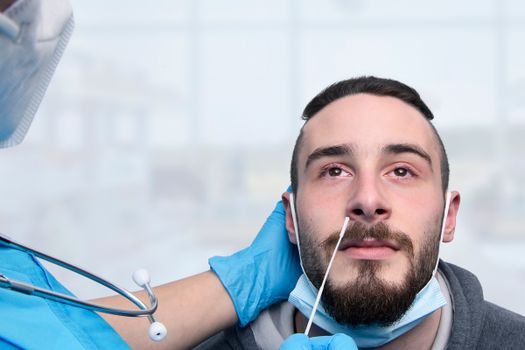 Photo: adrian vieriu / Pexels
When you visit a walk-in clinic for suspected strep throat, the cornerstone of your diagnosis will be the rapid strep test. This quick and efficient procedure is designed to detect the presence of Group A Streptococcus bacteria in your throat and typically forms the core of your visit. Understanding what to expect can help ease any anxieties you might have. Your visit will begin with registration. Upon arrival, you'll be asked to provide your personal information, medical history, and insurance details. If you don't have insurance, the staff will explain self-pay options. This initial paperwork is usually streamlined to get you seen by a provider as quickly as possible. Once registered, you'll be called in to see a medical professional—this could be a doctor, physician assistant (PA), or nurse practitioner (NP). They will start by taking your vital signs, such as temperature, blood pressure, and pulse. They'll then ask you about your symptoms: when they started, their severity, if you have a fever, difficulty swallowing, or any other accompanying issues. Be prepared to discuss any recent exposure to someone with strep throat. Next comes the physical examination. The provider will carefully examine your throat, looking for signs characteristic of strep, such as redness, swelling of the tonsils, white patches or streaks of pus, and tiny red spots on the roof of your mouth (petechiae). They will also check your neck for swollen and tender lymph nodes. This visual assessment helps guide the decision to perform a rapid strep test. The rapid strep test itself is a relatively simple and quick procedure. The provider will use a sterile cotton swab to collect a sample from the back of your throat and tonsils. While it might cause a momentary gag reflex, it's generally not painful and is over in a matter of seconds. The swab is then inserted into a chemical solution that reacts with the strep bacteria, if present. The results of the rapid strep test are usually available within 5 to 10 minutes. If the test is positive, it confirms the presence of strep throat, and the provider will immediately discuss your treatment plan, which almost always involves antibiotics. They will explain the specific antibiotic prescribed, the dosage, duration of treatment, and potential side effects. It's crucial to follow these instructions precisely and complete the entire course of medication, even if you start feeling better, to prevent recurrence and complications. In some cases, if the rapid strep test is negative but the provider's clinical suspicion of strep throat remains high, they might send a throat culture to a lab for confirmation. This culture takes 24-48 hours for results but is more sensitive than the rapid test. However, for most patients presenting with classic strep symptoms, the rapid test provides sufficient information for immediate treatment. Before you leave, the provider will offer advice on symptom management, such as pain relief, hydration, and when you can return to school or work. They might also provide information on preventing the spread of strep to others. The efficiency of a
walk-in clinic for strep throat, particularly with its on-site rapid testing capabilities, ensures that you can get a definitive diagnosis and start feeling better without unnecessary delays or complexities.
Preventing Strep Throat and When to Consider Alternatives
 Photo: Tessy Agbonome / Pexels
While a walk-in clinic for strep throat offers quick relief, prevention is always the best approach. Strep throat is highly contagious, but several simple practices can significantly reduce your risk of contracting or spreading the infection. The most fundamental preventive measure is diligent hand hygiene. Washing your hands frequently with soap and water for at least 20 seconds, especially after coughing, sneezing, before eating, and after using the restroom, is crucial. If soap and water aren't available, an alcohol-based hand sanitizer with at least 60% alcohol can be used. Avoid touching your face, particularly your eyes, nose, and mouth, as this is a common way for germs to enter your body. Another important tip is to avoid sharing personal items like eating utensils, cups, and food. Strep bacteria can easily transfer through saliva. Similarly, avoid close contact with individuals who are sick, and if you are the one who's ill, try to minimize contact with others to prevent further spread. Cover your mouth and nose with a tissue when you cough or sneeze, or use the inside of your elbow if a tissue isn't available. Regularly clean and disinfect frequently touched surfaces at home, school, or work, such as doorknobs, light switches, and electronic devices. These measures are particularly important during peak strep season, which typically occurs in late fall, winter, and early spring. What if you suspect strep throat but aren't sure if a walk-in clinic is the right choice? While walk-in clinics are excellent for strep, there are situations where you might consider alternatives. If your symptoms are mild and you have a known primary care physician (PCP) who can see you quickly, scheduling an appointment with them might be your preference. Your PCP has your full medical history and can offer continuity of care. However, if your PCP's office has a long wait time, a walk-in clinic remains a superior option for speed. Telemedicine, or virtual visits, has also emerged as a convenient alternative for initial consultations. Many providers offer virtual appointments where they can assess your symptoms and, if strep is suspected, advise you on where to get a rapid test or even send a prescription to your pharmacy. However, a definitive diagnosis of strep throat still requires a throat swab, which cannot be done remotely. Therefore, a telemedicine consultation might be followed by a visit to a lab or a clinic for testing. When should you go to an emergency room instead of a walk-in clinic? Emergency rooms are designed for life-threatening conditions. If you or your child are experiencing severe symptoms such as extreme difficulty breathing, inability to swallow saliva, severe dehydration, or a rash that spreads rapidly, these could indicate a more serious condition than strep throat or a severe complication. In such cases, an emergency room provides the immediate, advanced care necessary. For typical strep throat symptoms, however, a walk-in clinic offers the perfect balance of accessibility, efficiency, and appropriate medical expertise without the high cost and long waits associated with an ER. Knowing when to choose which healthcare setting ensures you receive the most appropriate care for your condition.
