Sore Throat Relief: Visit a Walk-In Clinic for Fast Care
walk-in clinic for sore throat

Sore Throat Relief: Visit a Walk-In Clinic for Fast Care

Get immediate diagnosis and treatment for your nagging sore throat, often without the need for an appointment.

Find a Clinic Near You

Key Takeaways

  • ✓ Walk-in clinics offer immediate care for non-life-threatening conditions like sore throats.
  • ✓ No appointment is typically needed, providing convenience and flexibility.
  • ✓ They can diagnose and treat various causes of sore throats, including strep throat and viral infections.
  • ✓ Costs are often lower than emergency room visits for similar conditions.

How It Works

1
Locate a Clinic

Use online search tools or your insurance provider's directory to find a walk-in clinic near you. Check their operating hours and services offered.

2
Check-In and Wait

Upon arrival, you'll complete a brief registration process. Wait times can vary depending on patient volume, but are generally shorter than ERs.

3
Consultation and Diagnosis

A healthcare provider will examine your throat, discuss your symptoms, and may perform rapid tests (e.g., strep test) to determine the cause. They will then provide a diagnosis.

4
Treatment and Follow-Up

You'll receive a treatment plan, which might include prescriptions or recommendations for at-home care. The clinic will advise on follow-up if necessary.

Understanding Your Sore Throat: When to Seek Professional Help

Close-up of a doctor examining a patient's throat with a tongue depressor in a clinical setting. Photo: cottonbro studio / Pexels
A sore throat is a common ailment, often the first sign of a cold, the flu, or another viral infection. While many sore throats resolve on their own with rest and home remedies, some can indicate a more serious underlying condition that requires medical attention. Knowing when to transition from self-care to seeking professional help is crucial for your health and well-being. This is where understanding the role of a walk-in clinic becomes invaluable. Typically, a sore throat caused by a common cold might be accompanied by sniffles, sneezing, and a mild cough. These symptoms usually improve within a few days. However, if your sore throat is severe, persists for more than a few days, or is accompanied by other concerning symptoms, it's time to consider a medical evaluation. Red flags include difficulty swallowing, difficulty breathing, a high fever (101°F or higher), swollen lymph nodes in your neck, a rash, or white patches on your tonsils. These can be indicators of bacterial infections like strep throat, which, if left untreated, can lead to more severe complications such as rheumatic fever or kidney inflammation. Another condition to be aware of is mononucleosis, a viral infection that can cause a very sore throat, extreme fatigue, swollen tonsils, and a rash. While mono is viral, a doctor can help manage symptoms and rule out other infections. Furthermore, allergies, acid reflux, or even environmental irritants like dry air or pollution can contribute to a sore throat. A healthcare professional at a walk-in clinic can accurately diagnose the cause, whether it's infectious or non-infectious, and recommend the most appropriate course of action. The convenience of a walk-in clinic for a sore throat cannot be overstated. When you're feeling unwell, the last thing you want is to wait days for an appointment with your primary care physician or endure the long wait times and high costs of an emergency room. Walk-in clinics bridge this gap, offering accessible, immediate care for non-life-threatening conditions. They are staffed by qualified medical professionals, including doctors, physician assistants, and nurse practitioners, who are equipped to assess your symptoms, perform necessary diagnostic tests, and provide a treatment plan tailored to your specific needs. This timely intervention can not only alleviate your discomfort but also prevent potential complications, ensuring a faster recovery. They understand the urgency of symptom relief and are designed to get you in and out efficiently, providing the medical attention you need without disrupting your entire day. Their focused approach to acute conditions makes them an ideal choice for evaluating and treating a bothersome sore throat.

What to Expect at a Walk-In Clinic for Your Sore Throat Visit

Close-up of a doctor examining a patient's throat with a tongue depressor in a clinical setting. Photo: cottonbro studio / Pexels
Visiting a walk-in clinic for your sore throat is a straightforward process designed for efficiency and patient comfort. When you arrive, you'll typically be greeted by administrative staff who will guide you through the check-in procedure. This usually involves providing your personal information, insurance details (if applicable), and a brief overview of your symptoms. It's helpful to have your ID and insurance card readily available to expedite this step. While walk-in clinics don't require appointments, there might be a short wait depending on the number of patients. However, these wait times are generally significantly shorter than those experienced in emergency departments. Once called in, a medical assistant or nurse will take your vital signs, such as your temperature, blood pressure, and pulse. They will also ask you to elaborate on your symptoms: when did your sore throat start, how severe is the pain, what makes it better or worse, and what other symptoms are you experiencing (e.g., fever, cough, body aches, difficulty swallowing)? Be prepared to provide a comprehensive history, as this information is crucial for an accurate diagnosis. Next, you'll be seen by a healthcare provider – a doctor, physician assistant, or nurse practitioner. They will perform a physical examination, which will specifically focus on your throat. This typically involves using a small light to look at the back of your throat, tonsils, and uvula for signs of redness, swelling, pus, or white patches. They may also gently palpate your neck to check for swollen lymph nodes. Based on this examination and your reported symptoms, the provider will determine if further testing is necessary. For a sore throat, the most common test is a rapid strep test, which involves swabbing the back of your throat. This test can provide results within minutes, allowing for immediate treatment if strep throat is confirmed. In some cases, a more comprehensive lab culture might be sent out if the rapid test is negative but strep is still suspected. Once a diagnosis is made, the healthcare provider will discuss the findings with you and outline a personalized treatment plan. If it's a bacterial infection like strep throat, antibiotics will be prescribed. If it's a viral infection, antibiotics won't be effective, and the focus will be on symptom management, including recommendations for pain relievers, lozenges, gargles, and rest. They will explain how to take any prescribed medications, potential side effects, and when you can expect to feel better. You'll also receive advice on when to seek follow-up care or if your symptoms worsen. The goal is to provide you with clear instructions and the necessary resources to recover quickly and safely, all within a single visit.

Beyond Strep: Common Causes of Sore Throats and Their Treatments
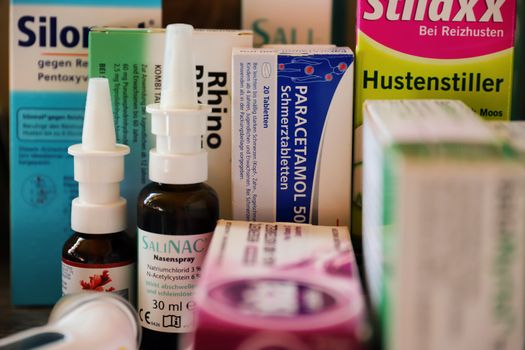
Assortment of cold and flu medications on a pharmacy counter. Photo: Christina & Peter / Pexels
While strep throat often comes to mind when discussing severe sore throats, it's just one of many potential culprits. Understanding the various causes can help you appreciate the comprehensive diagnostic approach a walk-in clinic offers. Viral infections are, in fact, the most common cause of a sore throat. Viruses responsible for the common cold, influenza (flu), mononucleosis (mono), measles, chickenpox, and even COVID-19 can all manifest with a sore throat as a primary symptom. For viral infections, antibiotics are ineffective. Treatment focuses on alleviating symptoms through rest, hydration, over-the-counter pain relievers like ibuprofen or acetaminophen, throat lozenges, and warm salt water gargles. A healthcare provider at a walk-in clinic can confirm a viral cause and offer guidance on managing these symptoms effectively, ensuring you're comfortable while your body fights off the infection. They can also rule out more serious bacterial infections, providing peace of mind and preventing unnecessary antibiotic use, which contributes to antibiotic resistance. Beyond infections, several other factors can irritate your throat and cause soreness. Allergies, for instance, can lead to postnasal drip, where excess mucus trickles down the back of your throat, causing irritation and soreness. Environmental irritants such as dry air, pollution, smoke (including secondhand smoke), and chemical fumes can also inflame your throat. Chronic acid reflux (GERD) is another common, non-infectious cause; stomach acid backing up into the esophagus and throat can lead to a burning sensation and persistent soreness, especially in the morning. Muscle strain from yelling or prolonged talking can also result in a temporary sore throat. A walk-in clinic can help differentiate these causes from infectious ones, guiding you towards appropriate relief strategies, whether it's allergy medication, acid-reducing drugs, or lifestyle adjustments. Furthermore, conditions like tonsillitis, which can be bacterial or viral, and epiglottitis (a serious condition where the flap of tissue at the base of the tongue swells) also present with severe sore throat. While epiglottitis is rare due to widespread vaccination, it's a medical emergency that requires immediate attention. A walk-in clinic is equipped to identify these conditions and, if necessary, facilitate rapid transfer to an emergency room for specialized care. The ability of these clinics to provide quick, accurate diagnoses for a wide spectrum of sore throat causes, from benign to potentially serious, makes them an invaluable resource for community health. They serve as a crucial first point of contact for many, ensuring that whether your sore throat is due to a simple cold or something more complex, you receive the right care at the right time. For more information on various medical conditions, consider exploring reliable health resources.

Tips for Preparing for Your Visit and Maximizing Your Recovery

A doctor discusses health concerns with a patient at a medical office in Lagos, Nigeria. Photo: Ninthgrid / Pexels
Preparing for your visit to a walk-in clinic can make the process smoother and more efficient. Firstly, gather all relevant information: your insurance card, a form of identification, and a list of any current medications you are taking (including over-the-counter drugs and supplements). It's also helpful to jot down your symptoms, noting when they started, how severe they are, and any home remedies you've already tried. This detailed information will assist the healthcare provider in making an accurate diagnosis quickly. If you have a primary care physician, bring their contact information as the walk-in clinic can often send a summary of your visit to them for continuity of care. During your visit, don't hesitate to ask questions. Understand your diagnosis, the prescribed treatment plan, potential side effects of medications, and what to do if your symptoms don't improve or worsen. Clear communication ensures you leave feeling informed and confident about your recovery plan. Once you have your diagnosis and treatment, focus on maximizing your recovery. If antibiotics are prescribed, take the full course as directed, even if you start feeling better. Stopping early can lead to a recurrence of the infection and contribute to antibiotic resistance. For any type of sore throat, hydration is key. Drink plenty of fluids like water, herbal tea, and broth to keep your throat moist and prevent dehydration. Humidifiers can also help soothe a dry, irritated throat, especially in dry climates or during winter months. Rest is paramount; allow your body to conserve energy and fight off the infection. Avoid irritants like smoking, alcohol, and very hot or spicy foods, which can further aggravate your throat. Over-the-counter remedies such as throat lozenges, sprays, and pain relievers can provide significant symptomatic relief. Following these tips, combined with the professional care received at a walk-in clinic, will help you recover faster and get back to your daily routine.

Comparison

FeatureWalk-In ClinicPrimary Care Physician (PCP)Emergency Room (ER)
Appointment NeededNoYes (often days/weeks)No (but long wait)
Wait TimeShort to ModerateScheduledLong (hours)
Cost for Sore ThroatModerateModerateHigh
Severity of ConditionNon-emergencyRoutine/ChronicLife-threatening
Diagnostic Tests✓✓✓
Prescriptions✓✓✓
Continuity of CareLimited (can send records)HighLimited (can send records)

What Readers Say

★ ★ ★ ★ ★

"My sore throat came on suddenly and was incredibly painful. I found a walk-in clinic near me and was seen within 30 minutes. The doctor quickly diagnosed strep and I had antibiotics in hand shortly after. Such a relief!"

Sarah J. · Austin, TX
★ ★ ★ ★ ★

"I didn't want to wait days for my family doctor. The walk-in clinic was perfect for my sore throat. The staff was friendly, the facility was clean, and the nurse practitioner was very thorough in her examination and explanation."

Mark D. · Miami, FL
★ ★ ★ ★ ★

"I thought it was just a bad cold, but my sore throat kept getting worse. The walk-in clinic performed a quick test and confirmed it was mono. They provided great advice for managing symptoms and follow-up care. Feeling much better now!"

Emily R. · Denver, CO
★ ★ ★ ★ ★

"The wait was a bit longer than I hoped, about an hour, but the care I received for my sore throat was excellent. The doctor was knowledgeable and spent time answering all my questions. I appreciated the convenience despite the wait."

David S. · Seattle, WA
★ ★ ★ ★ ★

"Traveling for work, I woke up with a horrible sore throat. I had no idea where to go. A quick search led me to a walk-in clinic. They were incredibly efficient, providing the care I needed without disrupting my travel schedule too much."

Jessica L. · Chicago, IL

Frequently Asked Questions

When should I go to a walk-in clinic for a sore throat instead of waiting for my primary care doctor?

You should consider a walk-in clinic if your sore throat is severe, lasts longer than a few days, is accompanied by a high fever, difficulty swallowing, swollen tonsils, white patches, or a rash. Walk-in clinics offer immediate diagnosis and treatment for acute, non-life-threatening conditions, saving you the wait for a PCP appointment and avoiding ER costs.

Do walk-in clinics test for strep throat?

Yes, walk-in clinics are fully equipped to perform rapid strep tests, which involve a quick throat swab and provide results within minutes. This allows healthcare providers to quickly determine if your sore throat is caused by a bacterial infection like strep and prescribe appropriate antibiotics if necessary.

How do I find a walk-in clinic for a sore throat near me?

You can easily find a walk-in clinic by using online search engines like Google Maps, inputting 'walk-in clinic near me' or 'urgent care sore throat.' Many insurance providers also have online directories of in-network urgent care centers. Checking their websites for hours and services is also recommended.

How much does it typically cost to visit a walk-in clinic for a sore throat?

The cost can vary depending on your insurance plan and the services rendered (e.g., tests, prescriptions). Generally, a visit to a walk-in clinic is significantly less expensive than an emergency room visit for the same condition, often comparable to a co-pay for a specialist visit. It's advisable to check with your insurance provider beforehand.

Is a walk-in clinic as good as my regular doctor for a sore throat?

For acute, non-life-threatening conditions like a sore throat, a walk-in clinic provides excellent, focused care. They are staffed by qualified medical professionals who can diagnose and treat your condition effectively. While your regular doctor offers continuity of care, walk-in clinics are ideal for immediate needs when your PCP isn't available, and they can send records to your primary care physician.

Who should avoid using a walk-in clinic for a sore throat?

Individuals experiencing severe symptoms like extreme difficulty breathing, inability to swallow, drooling, or a muffled voice, especially children, should go directly to an emergency room. These could be signs of a medical emergency like epiglottitis or a severe allergic reaction requiring immediate, advanced intervention.

Are walk-in clinics safe and reliable for diagnosing sore throats?

Yes, walk-in clinics are staffed by licensed healthcare professionals, including doctors, physician assistants, and nurse practitioners, who are trained to diagnose and treat a wide range of acute conditions, including sore throats. They follow established medical protocols and utilize appropriate diagnostic tools to ensure safe and reliable care.

Can I get a prescription for antibiotics at a walk-in clinic if I have strep throat?

Absolutely. If a walk-in clinic diagnoses you with a bacterial infection like strep throat, the healthcare provider will prescribe the appropriate course of antibiotics. They can often send the prescription directly to your preferred pharmacy, allowing you to pick it up quickly and start your treatment without delay.

Don't let a painful sore throat disrupt your life. A walk-in clinic for sore throat offers convenient, expert care to diagnose and treat your symptoms promptly. Get the relief you need, when you need it, and get back to feeling your best.

Topics: walk-in clinic for sore throaturgent care sore throatsore throat treatment without appointmentstrep throat testing walk-infast sore throat relief
Toplash
Leo List

Skihires
Adultwork EstrelaBet Vai de Bet R7 Bet Betão Galera Bet Rainbet Bet9ja Shop SportyBet BetKing Sisal Loto Foot Hollywoodbets YesPlay Odibets RushBet Jugabet BetWarrior BetCity MSport betPawa Fortebet