
Urgent Care vs Emergency Room: Choose Wisely, Save Time & Money
Understand the critical differences to make the best healthcare decision for yourself and your family.
Understand Your OptionsKey Takeaways
- ✓ Emergency Rooms (ERs) are for life-threatening conditions; Urgent Care (UC) for non-life-threatening but immediate needs.
- ✓ ER visits are significantly more expensive than UC visits.
- ✓ Wait times are generally shorter at UC centers compared to ERs.
- ✓ Misusing the ER for non-emergencies can strain resources and increase healthcare costs for everyone.
How It Works
Determine if your condition is life-threatening (ER) or requires prompt attention but isn't critical (UC).
If possible, contact your PCP for guidance; they know your history and can advise on the best course of action.
Use online tools or your insurance provider's directory to find the nearest appropriate urgent care or emergency room.
Bring your insurance card, ID, a list of medications, and be ready to describe your symptoms accurately.
Understanding the Role of the Emergency Room (ER)
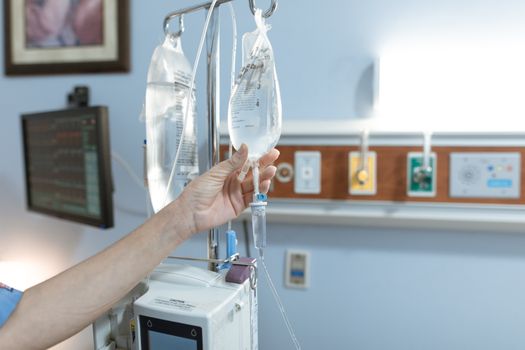 Photo: RDNE Stock project / Pexels
Exploring the Benefits of Urgent Care Centers
When to Choose Which: A Practical Decision-Making Guide
Common Mistakes and Best Practices for Seeking Care
- Mistake: Using the ER for non-emergencies like colds or minor cuts.
- Best Practice: Reserve the ER for life-threatening conditions.
- Mistake: Delaying care for symptoms that are worsening rapidly or are severe.
- Best Practice: Seek prompt medical attention when symptoms are concerning.
- Mistake: Not knowing your insurance coverage for different facility types.
- Best Practice: Understand your co-pays and deductibles for ER and UC.
- Mistake: Not having a relationship with a Primary Care Physician.
- Best Practice: Establish care with a PCP for ongoing health guidance.
- Mistake: Ignoring symptoms due to fear of cost or inconvenience.
- Best Practice: Prioritize your health; seek appropriate care when needed.
Comparison
| Feature | Emergency Room (ER) | Urgent Care (UC) | Primary Care Physician (PCP) |
|---|---|---|---|
| Purpose | Life-threatening emergencies | Non-life-threatening urgent needs | Routine, preventative, chronic care |
| Cost | Highest | Moderate | Lowest |
| Wait Times | Longest (based on triage) | Shorter | Appointment-based |
| Availability | 24/7 | Extended hours, walk-ins | Business hours, by appointment |
| Equipment | Advanced diagnostics, surgical suites | X-ray, lab tests, basic procedures | Basic diagnostics, physical exams |
| Staff | Emergency physicians, specialists | Physicians, PAs, NPs | General practitioners, family doctors |
| Conditions Treated | Heart attack, stroke, major trauma | Colds, flu, sprains, minor cuts | Physicals, chronic disease management |
| Follow-up Care | Often refers to specialists/admission | May refer to PCP or specialist | Ongoing, comprehensive care |
| Calling 911 Appropriate? | ✓ | ✗ | ✗ |
What Readers Say
"I had a persistent cough that turned into bronchitis over the weekend. Instead of panicking and going to the ER, I found an urgent care nearby. They diagnosed me quickly, prescribed antibiotics, and I was on my way in less than an hour. Saved me a ton of money and time compared to an ER visit."
Sarah J. · Austin, TX"My son fell off his bike and had a deep cut on his knee. It wasn't gushing blood, but definitely needed stitches. We went to urgent care, and they stitched him up perfectly. The staff was great, and we avoided the chaos and expense of the emergency room for what was a minor injury."
Mark T. · Orlando, FL"I woke up with severe, crushing chest pain and immediately knew it was an ER situation. The paramedics arrived quickly, started treatment, and got me to the emergency room where they confirmed a heart attack. Their swift action saved my life; urgent care would not have been equipped for that."
Jessica L. · Denver, CO"My wife had a bad allergic reaction, but it wasn't anaphylaxis. We debated ER vs. urgent care. We chose urgent care, and while the wait was a bit longer than expected, they provided the necessary medication and monitoring. It wasn't perfect, but it was the right choice for the situation."
David R. · Seattle, WA"I travel a lot for work and sometimes get sick far from my PCP. Urgent care centers have been a lifesaver for things like sinus infections or a bad flu. They provide consistent, accessible care that fits my busy schedule without the high cost of an ER."
Emily K. · Phoenix, AZFrequently Asked Questions
What is the primary difference between urgent care and the emergency room?
The primary difference lies in the severity of the condition they treat. Emergency rooms are for life-threatening injuries and illnesses, requiring immediate, critical care. Urgent care centers handle non-life-threatening conditions that still require prompt attention but are not severe enough to warrant an ER visit, bridging the gap between a PCP and the ER.
Will my insurance cover an urgent care visit or an emergency room visit?
Most insurance plans cover both urgent care and emergency room visits, but the co-pays, deductibles, and out-of-pocket maximums can vary significantly. Urgent care visits typically have lower co-pays than ER visits. It's always best to check with your insurance provider beforehand to understand your specific benefits and costs for each type of facility.
How do I know if my symptoms are severe enough for an ER?
If you experience symptoms that are sudden, severe, and potentially life-threatening or could cause permanent disability, you should go to the ER. Examples include severe chest pain, signs of stroke, uncontrolled bleeding, major trauma, difficulty breathing, sudden severe headache, or loss of consciousness. When in doubt, it's safer to go to the ER or call 911.
Is urgent care cheaper than the emergency room?
Yes, urgent care visits are almost always significantly cheaper than emergency room visits for comparable conditions. This is because ERs have higher overhead costs due to their 24/7 operation, specialized equipment, and staff trained for critical care. Choosing urgent care for appropriate conditions can save hundreds, if not thousands, of dollars.
Can urgent care centers treat broken bones?
Urgent care centers can often treat minor fractures, such as those in fingers, toes, or simple sprains that require an X-ray and splinting. However, for complex fractures, open fractures (where the bone breaks through the skin), or those requiring immediate surgical intervention, the emergency room is the appropriate facility.
Who should use urgent care vs emergency room?
Individuals with non-life-threatening but immediate medical needs (e.g., flu, sprains, minor cuts) should use urgent care. Individuals experiencing severe, life-threatening symptoms (e.g., heart attack, stroke, major trauma) should go to the emergency room.
Is it safe to go to urgent care for a child with a high fever?
For children, especially infants, a high fever can be concerning. If your child is an infant under 3 months with a fever over 100.4°F (38°C), or if an older child has a very high fever accompanied by severe symptoms like lethargy, difficulty breathing, or rash, an ER visit is recommended. For older children with a high fever but otherwise stable, an urgent care visit is often appropriate.
How will healthcare facilities evolve to better manage patient flow between urgent care and ER?
Future healthcare trends suggest a greater emphasis on integrated care models, potentially including more robust telemedicine options, improved data sharing between facilities, and clearer pathways for patient referral. This aims to ensure patients are directed to the most appropriate and cost-effective care setting, reducing ER overcrowding and optimizing resource allocation.
Understanding the critical distinctions between urgent care vs emergency room is paramount for your health and wallet. Make informed decisions, choose the right care setting for your needs, and contribute to a more efficient healthcare system for everyone.