
Understanding Medical Billing Codes: Your Essential Guide
Unlock the secrets of medical billing codes to advocate for your health and finances with clarity and confidence.
Start Learning NowKey Takeaways
- ✓ Medical codes translate diagnoses and procedures into standardized language for billing.
- ✓ CPT, ICD-10, and HCPCS are the primary coding systems in the US.
- ✓ Incorrect coding can lead to denied claims, higher out-of-pocket costs, and payment delays.
- ✓ Patients have the right to request itemized bills and understand the codes used for their care.
How It Works
A healthcare provider delivers services (e.g., examination, surgery, lab test). They document everything meticulously in your medical record.
A professional medical coder reviews the documentation and assigns specific CPT, ICD-10, and HCPCS codes that accurately reflect the services and diagnoses.
The coded information is compiled into a medical claim and submitted electronically to your insurance company (payer) for reimbursement.
The insurance company reviews the claim, checks for medical necessity and policy coverage, and then processes payment to the provider, with any remaining balance billed to the patient.
The Foundation of Healthcare Finance: What are Medical Billing Codes?
 Photo: www.kaboompics.com / Pexels
Deconstructing the Big Three: CPT, ICD-10, and HCPCS Explained
 Photo: Lucas Guimarães Bueno / Pexels
Navigating Your Medical Bill: How Codes Impact Your Wallet
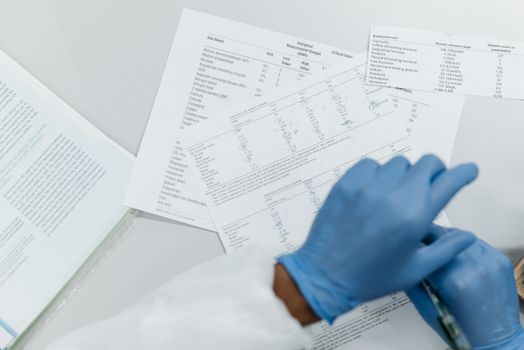 Photo: Pavel Danilyuk / Pexels
Empowering Yourself: Tips for Understanding and Challenging Medical Bills
 Photo: cottonbro studio / Pexels
Comparison
| Feature | CPT Codes | ICD-10 Codes | HCPCS Level II Codes |
|---|---|---|---|
| Purpose | Procedures/Services | Diagnoses/Conditions | Supplies/Non-physician Services |
| Format | 5-digit numeric | 3-7 alphanumeric | Letter + 4 alphanumeric |
| Governing Body | AMA | WHO (U.S. CMS) | CMS |
| Updates | Annually (Jan 1) | Annually (Oct 1) | Annually (Jan 1) |
| Primary Use | Provider billing for work | Medical necessity, epidemiology | Billing for equipment/drugs |
| Example | 99213 (Office Visit) | I10 (Essential Hypertension) | J0690 (Penicillin Injection) |
What Readers Say
"This guide on understanding medical billing codes was a lifesaver! I finally understood why my insurance denied a claim and was able to get it reprocessed. The explanations of CPT and ICD-10 codes were incredibly clear."
Sarah J. · Austin, TX"I always felt so lost with medical bills. This article broke down the complexity of medical billing codes into digestible parts. Now I feel much more confident asking questions and reviewing my EOBs."
Michael R. · Denver, CO"After reading this, I found a clear upcoding instance on my recent bill for a minor procedure. Thanks to this knowledge, I challenged it and saved over $300. Truly empowering to know what to look for when understanding medical billing codes."
Jessica L. · Miami, FL"The information on HCPCS codes was particularly helpful, as I often deal with durable medical equipment. While the sheer volume of codes is still daunting, this article provided an excellent framework for understanding medical billing codes and where to start."
David P. · Seattle, WA"As a small business owner offering health benefits, this guide helped me explain to my employees the importance of checking their bills. It's not just for patients; employers can also benefit from understanding medical billing codes."
Emily K. · Boston, MAFrequently Asked Questions
What is the most searched question about understanding medical billing codes?
The most common question revolves around why medical bills are so complex and what all the numbers and letters mean. Patients frequently search for how to decipher their bills and verify the accuracy of charges, particularly in relation to their insurance coverage and out-of-pocket costs. This guide aims to provide that clarity by breaking down the core coding systems.
What if I see a code on my bill that I don't recognize?
If you encounter an unfamiliar code, don't panic. First, compare it against your Explanation of Benefits (EOB) from your insurance company. Then, search for the code online to get a general idea of what service or diagnosis it represents. If it still doesn't make sense, or if it doesn't align with the services you received, contact your provider's billing department for clarification and a detailed explanation.
How can I challenge an incorrect medical bill?
Start by gathering all documentation: the itemized bill, your EOB, and any relevant medical records. Contact the provider's billing department first, calmly explaining your concerns and providing evidence. If unresolved, follow your insurance company's formal appeal process. Keep detailed records of all communications, including dates, names, and summaries of conversations. You may also seek assistance from state consumer protection agencies or medical billing advocates.
Is understanding medical billing codes worth the effort?
Absolutely. Understanding medical billing codes is immensely valuable. It empowers you to verify the accuracy of charges, identify potential errors like upcoding or duplicate billing, and ensure that you're only paying for services you actually received and that are medically necessary. This vigilance can save you significant money and prevent unnecessary financial stress.
How do medical billing codes compare to prescription drug codes?
Medical billing codes (CPT, ICD-10, HCPCS) are primarily for services, diagnoses, and medical supplies rendered by healthcare providers and facilities. Prescription drug codes, such as National Drug Codes (NDCs), are specific identifiers for medications themselves, used for tracking drugs, billing pharmacies, and managing formularies. While related to healthcare, they serve different, distinct purposes in the billing ecosystem.
Who should use understanding medical billing codes?
Anyone who receives medical care in the US should endeavor to grasp the basics of medical billing codes. This includes patients, their family members, caregivers, and even employers who offer health benefits. Being an informed consumer of healthcare services benefits everyone involved in managing healthcare costs and ensuring accurate billing.
Are there risks associated with incorrect medical coding?
Yes, significant risks exist. For patients, incorrect coding can lead to denied claims, unexpected out-of-pocket expenses, delayed access to care if prior authorizations are wrongly coded, and even issues with accurate medical history tracking. For providers, it can result in payment delays, audits, and legal repercussions. For the healthcare system, it distorts data used for public health and resource allocation.
What are future trends in medical billing codes?
Future trends include increased integration of artificial intelligence and machine learning to improve coding accuracy and efficiency, the potential for new coding systems to accommodate evolving medical technologies (like genomics and personalized medicine), and a continued push for greater transparency for patients. There's also an ongoing focus on value-based care models, which may influence how services are coded and reimbursed.
Don't let confusing medical bills intimidate you any longer. By taking the time to learn about understanding medical billing codes, you gain the power to scrutinize charges, advocate for yourself, and make informed decisions about your healthcare finances. Start applying this knowledge today and take control of your medical expenses.