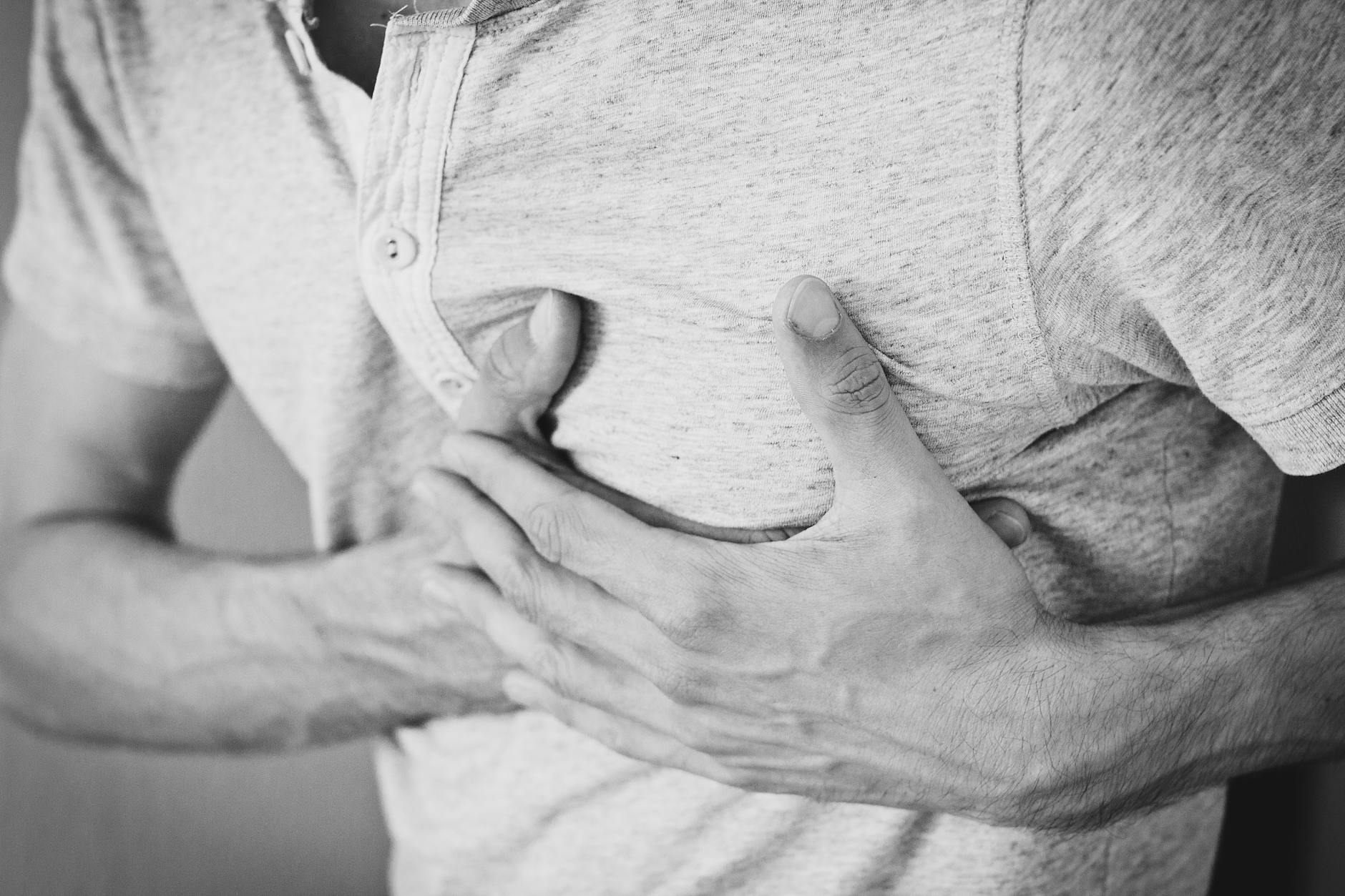
Recognizing Symptoms of a Heart Attack in Women
symptoms of a heart attack in women

Recognizing Symptoms of a Heart Attack in Women

Empower yourself with crucial knowledge about the unique signs of a heart attack in women to ensure timely intervention.

Learn Life-Saving Signs

Key Takeaways

  • ✓ Women often experience heart attack symptoms differently than men, making diagnosis challenging.
  • ✓ Fatigue, shortness of breath, and nausea are common, often subtle, heart attack symptoms in women.
  • ✓ Delay in seeking medical attention is more common in women due to atypical symptoms.
  • ✓ Heart disease is the leading cause of death for women in the United States.

How It Works

1
Understand the Nuances

Familiarize yourself with the full spectrum of heart attack symptoms, particularly those more common in women. This awareness is your first line of defense.

2
Listen to Your Body

Pay close attention to any unusual or persistent discomfort, even if it seems mild or unrelated to your heart. Trust your instincts when something feels wrong.

3
Don't Delay Seeking Help

If you suspect you're having a heart attack, even if symptoms are vague, call 911 immediately. Every minute counts in preventing heart muscle damage.

4
Educate Your Network

Share this vital information with family and friends. A supportive network can help recognize symptoms and ensure you receive prompt medical care.

Understanding the Unique Presentation of Heart Attack Symptoms in Women

From above of crop anonymous African American female lying on couch and touching belly while having stomach ache Photo: Sora Shimazaki / Pexels
For decades, the classic image of a heart attack has been a man clutching his chest, experiencing crushing chest pain. While this is a common symptom for both sexes, it has unfortunately led to a dangerous misconception that heart attacks manifest the same way for everyone. The reality is that symptoms of a heart attack in women often differ significantly from those experienced by men, making them harder to recognize, often leading to delayed diagnosis and treatment. This delay can have severe consequences, as timely intervention is crucial in minimizing heart muscle damage and improving outcomes. Heart disease, including heart attack, remains the leading cause of death for women in the United States, surpassing all forms of cancer combined. This stark statistic underscores the critical importance of understanding and recognizing the distinct warning signs that women may experience. It's not just about knowing the symptoms; it's about acknowledging that they can be subtle, diffuse, and easily mistaken for less serious conditions like indigestion, anxiety, or even the flu. Women are more likely to experience heart attack symptoms without traditional chest pain, or with chest pain that is less severe and often accompanied by other, more prominent discomforts. This can include pain in the jaw, neck, back, or arm, often described as pressure or aching rather than sharp. These 'atypical' symptoms are, in fact, quite typical for women. The physiological differences between men and women, including hormonal influences and anatomical variations in coronary arteries, contribute to these distinct presentations. For instance, women are more prone to developing blockages in the smaller arteries that supply blood to the heart (microvascular disease), which can lead to different symptom patterns than the large artery blockages more common in men. Moreover, women often face unique risk factors that can influence their heart health, such as certain autoimmune diseases, complications during pregnancy (like preeclampsia or gestational diabetes), and the hormonal changes associated with menopause. These factors can increase a woman's susceptibility to heart disease and further complicate the diagnostic picture. Public awareness campaigns have historically focused on male-centric symptoms, leaving many women and even some healthcare professionals less informed about the female-specific indicators. This knowledge gap is a significant barrier to early detection. Empowering women with accurate information about their unique heart attack symptoms is not just about awareness; it's about equipping them with the tools to advocate for their own health and demand appropriate medical attention when needed. It's about shifting the narrative from a one-size-fits-all approach to a gender-specific understanding of cardiovascular health. Recognizing these subtle yet critical differences is the first step towards bridging the gap in diagnosis and ensuring that women receive the prompt, life-saving care they deserve. Understanding heart health disparities is crucial for effective prevention and treatment strategies. Early recognition is key to better outcomes.

Beyond Chest Pain: Common Heart Attack Symptoms in Women

Nurse in scrubs takes a break, resting on a comfy hospital couch after a long shift. Photo: Cedric Fauntleroy / Pexels
While some women do experience the classic crushing chest pain associated with a heart attack, it's crucial to understand that this is often not the most prominent or even present symptom. Instead, women frequently report a range of less obvious but equally serious signs. One of the most common and often overlooked symptoms is unusual fatigue. This isn't just everyday tiredness; it's an overwhelming, debilitating fatigue that can come on suddenly and persist for days or weeks leading up to a heart attack. It might make simple tasks, like walking across a room or carrying groceries, feel incredibly difficult. Women often dismiss this as stress, lack of sleep, or aging, inadvertently delaying critical medical attention. Shortness of breath, often without chest pain, is another significant indicator. This can feel like you've just run a marathon, even when you're resting or performing minimal activity. It might be accompanied by lightheadedness or dizziness. This symptom, too, is frequently attributed to less severe conditions like asthma, bronchitis, or even anxiety. However, sudden or unexplained shortness of breath, especially when combined with other symptoms, warrants immediate medical evaluation. Nausea, vomiting, or indigestion are also frequently reported by women experiencing a heart attack. These gastrointestinal symptoms can be particularly misleading, as they are easily mistaken for stomach flu, heartburn, or a bad meal. The key difference is that heart-related nausea or indigestion might be accompanied by sweating, shortness of breath, or discomfort radiating to other parts of the body. Women are more likely to experience these symptoms without the typical chest pain, making diagnosis challenging. Pain or discomfort in other areas, such as the back, neck, jaw, or arms (especially the left arm, but it can be both), is another common presentation. This pain might be described as aching, pressure, or a burning sensation, rather than sharp pain. It can be diffuse and difficult to pinpoint, sometimes coming and going. For example, jaw pain can be mistaken for a dental issue, while back pain might be attributed to muscle strain. However, if these pains are new, unexplained, and accompanied by other symptoms like fatigue or shortness of breath, they should be taken seriously. Sweating, often described as a cold sweat, that isn't related to exercise or temperature, can also be a heart attack symptom in women. This sudden, unexplained perspiration, especially when combined with other signs, should raise a red flag. It's important to note that these symptoms can occur alone or in combination. They might be mild at first and gradually worsen, or they might appear suddenly and intensely. The crucial message is that women need to be vigilant about any new, unusual, or persistent symptoms, especially if they have risk factors for heart disease. Never hesitate to call 911 if you suspect a heart attack, even if you're unsure. It's always better to be safe than sorry, as early intervention can significantly improve outcomes and save lives.

Why Women's Heart Attack Symptoms Are Often Missed and Misdiagnosed

Healthcare professional consults patient in clinical setting. Medical discussion and diagnosis. Photo: RDNE Stock project / Pexels
The disparity in heart attack recognition and diagnosis between men and women is a complex issue rooted in a combination of biological, social, and systemic factors. One of the primary reasons is the 'atypical' presentation of symptoms in women, as discussed. When a woman presents to an emergency room with symptoms like fatigue, nausea, or back pain, these are often initially attributed to non-cardiac causes. Healthcare providers, influenced by historical research that predominantly focused on male subjects, may not immediately consider a heart attack as the primary diagnosis. This implicit bias, though often unintentional, can lead to delays in ordering appropriate diagnostic tests, such as an electrocardiogram (ECG) or cardiac enzyme blood tests. Studies have shown that women are more likely to be sent home from the emergency department with a misdiagnosis of anxiety, indigestion, or musculoskeletal pain, only to return later with a full-blown heart attack or after significant heart muscle damage has occurred. Patient-related factors also play a significant role. Women themselves often delay seeking medical attention for heart attack symptoms. This delay can be attributed to several reasons: they may minimize their symptoms, attributing them to stress, hormonal changes, or general malaise; they may feel compelled to prioritize the needs of family or work over their own health; or they may simply be unaware that their symptoms could indicate a heart attack because they don't fit the 'classic' male presentation they've been taught to recognize. The subtle nature of many female heart attack symptoms makes it easier for women to dismiss them as less serious, leading to a 'wait and see' approach that can be detrimental. Furthermore, communication between patients and healthcare providers can sometimes be a barrier. Women may struggle to articulate their diffuse symptoms effectively, or their concerns may not be fully heard or validated. This can be exacerbated by the fact that many women's symptoms might not appear as dramatic as intense chest pain, potentially leading to less urgent responses from both the patient and the initial medical contact. The lack of awareness among the general public and some medical professionals about the gender-specific differences in heart attack symptoms perpetuates this cycle of misdiagnosis and delayed treatment. It highlights the urgent need for ongoing education and awareness campaigns targeted at both the public and medical community. Addressing these challenges requires a multi-faceted approach. It involves educating women about their specific risk factors and symptoms, encouraging them to be proactive advocates for their health, and training healthcare professionals to recognize and appropriately manage heart disease in women. This includes emphasizing the importance of a thorough patient history, considering atypical symptoms as potentially cardiac, and lowering the threshold for performing diagnostic tests when a woman presents with suspicious symptoms. Improving diagnostic accuracy in women is a crucial step towards reducing mortality and morbidity from heart disease. Bridging this gap in understanding is not just a medical imperative but a social responsibility to ensure equitable and effective healthcare for all.

Taking Action: When to Seek Immediate Help and Prevention Strategies

Recognizing the symptoms of a heart attack in women is only half the battle; knowing when and how to react is equally vital. If you or someone you know experiences any combination of the symptoms discussed – persistent fatigue, unexplained shortness of breath, nausea, vomiting, indigestion, pain in the jaw, neck, back, or arms, or unusual sweating – do not hesitate. Call 911 immediately. Do not try to drive yourself to the hospital, and do not ask someone else to drive you unless there is absolutely no other option. Emergency medical services (EMS) personnel are trained to stabilize you and begin life-saving treatment on the way to the hospital, saving precious minutes. Time is muscle when it comes to a heart attack; the faster blood flow is restored to the heart, the less damage occurs. While knowing the symptoms is critical for acute events, prevention is always the best strategy for managing heart disease. Women can significantly reduce their risk of heart attack by adopting a heart-healthy lifestyle and managing existing medical conditions. Here are key prevention strategies: * **Regular Physical Activity:** Aim for at least 150 minutes of moderate-intensity aerobic exercise or 75 minutes of vigorous-intensity aerobic exercise per week. This can include brisk walking, swimming, cycling, or dancing. Exercise strengthens the heart, lowers blood pressure, and improves cholesterol levels. * **Balanced Nutrition:** Follow a diet rich in fruits, vegetables, whole grains, lean proteins, and healthy fats. Limit saturated and trans fats, added sugars, and sodium. The Mediterranean diet or DASH (Dietary Approaches to Stop Hypertension) diet are excellent examples of heart-healthy eating patterns. * **Maintain a Healthy Weight:** Being overweight or obese significantly increases the risk of heart disease. Work with your doctor or a nutritionist to achieve and maintain a healthy body mass index (BMI). * **Manage Stress:** Chronic stress can contribute to high blood pressure and other heart disease risk factors. Incorporate stress-reducing activities into your daily routine, such as meditation, yoga, deep breathing exercises, or spending time in nature. * **Quit Smoking:** Smoking is one of the most significant risk factors for heart disease, severely damaging blood vessels and increasing the risk of clots. If you smoke, seek support to quit immediately. * **Control Blood Pressure and Cholesterol:** Regularly monitor your blood pressure and cholesterol levels. If they are elevated, work with your doctor to manage them through lifestyle changes and, if necessary, medication. * **Manage Diabetes:** If you have diabetes, strict management of blood sugar levels is crucial to protect your heart. * **Regular Medical Check-ups:** Schedule routine check-ups with your healthcare provider to monitor your heart health, discuss any concerns, and assess your individual risk factors. Be open and honest about your symptoms and family history. Empowering yourself with knowledge and taking proactive steps for prevention can dramatically improve your cardiovascular health and outcomes.

Comparison

Symptom TypeClassic Male PresentationCommon Female PresentationUrgency Level
Chest PainCrushing, severe, central chest pain radiating to left armMild pressure, tightness, or aching; may not be primary symptomHigh
FatigueLess common as primary symptomExtreme, unexplained, debilitating fatigue (often weeks prior)High
Shortness of BreathOften accompanies chest painCan occur without chest pain, even at rest or with mild exertionHigh
Other Pain/DiscomfortLeft arm painPain in jaw, neck, back, both arms (aching, burning, pressure)High
GI SymptomsInfrequent as primaryNausea, vomiting, indigestion (often mistaken for flu/heartburn)High
SweatingOften profuse, cold sweat with chest painCold sweat, often unexplained, not related to exertion or heatHigh

What Readers Say

"This article was an eye-opener. I always thought a heart attack meant crushing chest pain, but after experiencing extreme fatigue and jaw discomfort, I realized my symptoms aligned with what was described here for women. It made me call my doctor, who confirmed I needed further testing."

Sarah J. · Austin, TX

"As a busy mom, I often ignore my own well-being. The information on subtle symptoms like shortness of breath and nausea was exactly what I needed. It helped me understand that what I dismissed as stress could be something more serious."

Maria P. · Miami, FL

"I had a heart attack a year ago, and my main symptoms were overwhelming fatigue and back pain, not chest pain. This article perfectly explains why women often get misdiagnosed. I wish I had read this sooner; it truly validates my experience."

Linda K. · Denver, CO

"Very informative, though I wish there was more emphasis on how anxiety symptoms can sometimes mimic heart attack signs, which can be confusing. Still, the detailed breakdown of female-specific symptoms is incredibly helpful and something every woman should know."

Emily R. · Seattle, WA

"My grandmother recently had a heart attack, and her only symptom was a sudden onset of extreme fatigue. This article explains why it was initially missed by her family. It's crucial for everyone to understand these differences, not just women themselves."

Jessica L. · Chicago, IL

Frequently Asked Questions

What are the most common heart attack symptoms in women?

The most common heart attack symptoms in women include unusual or extreme fatigue, shortness of breath, nausea or vomiting, indigestion, and pain or discomfort in the back, neck, jaw, or arms. Unlike men, women may not experience the classic crushing chest pain or it may be less severe and accompanied by these other symptoms.

Are women more likely to die from heart attacks than men?

While heart disease is the leading cause of death for both men and women, women are more likely to die from a heart attack than men. This is partly due to delayed diagnosis and treatment, often because their symptoms are atypical and misidentified, leading to more extensive heart muscle damage before medical intervention.

What should I do if I suspect I'm having a heart attack?

If you suspect you are having a heart attack, even if you are unsure or your symptoms are mild, call 911 immediately. Do not attempt to drive yourself to the hospital. Emergency medical personnel can provide life-saving care on the way and ensure you get to the most appropriate facility quickly.

Why are women's heart attack symptoms often misdiagnosed?

Women's heart attack symptoms are often misdiagnosed because they can be subtle and differ from the 'classic' male presentation. Healthcare providers, influenced by historical research, may attribute these symptoms to less serious conditions like anxiety or indigestion, leading to delays in appropriate diagnostic testing and treatment.

How do female heart attack symptoms compare to male symptoms?

While both sexes can experience chest pain, women are more likely to have other symptoms predominate, such as fatigue, shortness of breath, nausea, back pain, or jaw pain, often without severe chest pain. Men are more likely to experience the classic crushing chest pain radiating down the left arm as their primary symptom.

Who is at higher risk for experiencing these atypical heart attack symptoms?

Any woman can experience atypical heart attack symptoms, but those with risk factors like diabetes, high blood pressure, high cholesterol, obesity, a family history of heart disease, smoking, or certain autoimmune conditions may be at higher risk for heart disease and should be particularly vigilant about these signs.

Is it safe to take aspirin if I think I'm having a heart attack?

If you suspect you are having a heart attack, call 911 first. Emergency dispatchers may advise you to chew an aspirin (325 mg, not enteric-coated) while waiting for paramedics, provided you are not allergic and have no medical conditions that contraindicate aspirin use. Always follow their specific instructions.

What is the future outlook for diagnosing heart attacks in women?

The future outlook is promising, with increasing awareness and research focusing on gender-specific cardiovascular health. Advances in diagnostic tools, artificial intelligence for symptom recognition, and continued education for both the public and medical professionals are working towards earlier and more accurate diagnosis for women.

Understanding the unique symptoms of a heart attack in women is not just knowledge; it's a life-saving skill. Empower yourself and those you love by recognizing these crucial signs and acting without hesitation. Your heart health is paramount – learn, listen, and live.

Topics: symptoms of a heart attack in womenfemale heart attack signswomen's heart healthcardiac arrest symptoms femaleheart disease in women
Leo List

IE Escorts NO Escorts US Escorts NZ Escorts AU Escorts
Brampton weed
Adultwork EstrelaBet Vai de Bet R7 Bet Betão Galera Bet Rainbet Bet9ja Shop SportyBet BetKing Sisal Loto Foot Hollywoodbets YesPlay Odibets RushBet Jugabet BetWarrior BetCity MSport betPawa Fortebet