
Recognizing the Unique Symptoms of Heart Attack in Women
Empower yourself with vital knowledge about how heart attacks present differently in women to ensure timely intervention.
Learn More & Act NowKey Takeaways
- ✓ Women often experience heart attack symptoms differently than men, with less classic chest pain.
- ✓ Fatigue, shortness of breath, and nausea are common but often overlooked symptoms in women.
- ✓ Delay in seeking care is more common in women due to misinterpreting symptoms or attributing them to less serious causes.
- ✓ Heart disease is the leading cause of death for women in the United States, surpassing all cancers combined.
How It Works
Familiarize yourself with the full spectrum of heart attack symptoms, especially those more prevalent in women. This knowledge is your first line of defense.
Pay close attention to any new, unusual, or persistent discomfort, even if it feels mild. Don't dismiss symptoms as just stress or indigestion.
If you suspect you or someone else is having a heart attack, do not hesitate. Call 911 immediately, even if you're unsure.
When speaking with emergency responders or medical staff, describe all your symptoms, no matter how minor they seem. Mention your concerns about a heart attack.
The Silent Threat: Why Women's Heart Attack Symptoms Differ
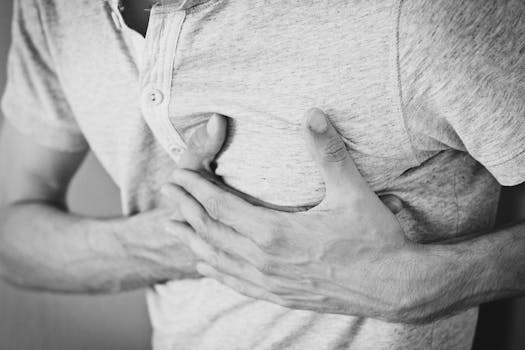 Photo: freestocks.org / Pexels
Beyond Chest Pain: Common Atypical Symptoms in Women
 Photo: Engin Akyurt / Pexels
Risk Factors and Prevention: Protecting Women's Hearts
 Photo: Andrea Piacquadio / Pexels
When to Act: Don't Delay Seeking Emergency Care
 Photo: Gustavo Fring / Pexels
Comparison
| Symptom Type | Common in Men | Common in Women | Severity Perception | |
|---|---|---|---|---|
| Chest Pain | Crushing, severe, central | Pressure, ache, tightness (may be mild or absent) | Often high | Often low |
| Fatigue | Less common as primary symptom | Unusual, extreme, overwhelming (can precede for weeks) | Low | High |
| Shortness of Breath | Often with chest pain | With or without chest pain, at rest or with mild exertion | Moderate | Moderate |
| Nausea/Indigestion | Less common | Frequent, mistaken for stomach issues | Low | Moderate |
| Pain Radiating | Left arm, jaw, back | Arms (either), back, neck, jaw, upper stomach | Moderate | Moderate |
| Sweating | Profuse, cold sweat | Cold sweat, clamminess | High | Moderate |
| Lightheadedness/Dizziness | Less common | More common | Moderate | Moderate |
What Readers Say
"I thought I just had bad indigestion and was really tired for days. After reading about the symptoms of heart attack in women, I decided to go to the ER. Turns out, it was a heart attack. This article literally saved my life by making me aware of the subtle signs."
Sarah J. · Austin, TX"My mother was complaining of jaw pain and extreme fatigue. She almost dismissed it as stress. Thanks to this information, I recognized these as potential symptoms of heart attack in women and insisted she get checked. She's now recovering well."
Maria P. · Miami, FL"I had no classic chest pain, just an odd discomfort in my upper back and overwhelming exhaustion. This article empowered me to speak up to the paramedics about my suspicion of a heart attack, leading to a quick diagnosis and intervention."
Brenda K. · Seattle, WA"While I didn't experience a heart attack, this article made me much more aware of my body and the unique risks for women. I've since had a more thorough discussion with my doctor about my heart health, which I wouldn't have done otherwise."
Jessica L. · Denver, CO"As a healthcare professional, I found this breakdown of symptoms of heart attack in women incredibly helpful. It reinforces the importance of listening to patients' full range of symptoms, not just looking for the 'textbook' presentation."
Emily R. · Chicago, ILFrequently Asked Questions
What are the most common symptoms of heart attack in women?
While some women experience chest pain, the most common atypical symptoms include unusual or extreme fatigue, shortness of breath, nausea/vomiting, indigestion, and pain in the back, neck, jaw, or either arm. These symptoms can be subtle and may not be severe.
Why are women's heart attack symptoms different from men's?
Differences are often attributed to variations in heart disease pathophysiology (e.g., small vessel disease), hormonal influences, and potentially a higher pain tolerance or tendency to downplay symptoms in women. Research historically focused on men also contributes to a skewed perception.
What should I do if I suspect I'm having a heart attack?
Do not hesitate. Call 911 immediately. Clearly state your symptoms and that you suspect a heart attack. Do not drive yourself to the hospital. Time is critical for preserving heart muscle.
Can stress or anxiety mimic heart attack symptoms?
Yes, stress and anxiety can cause symptoms like chest pain, shortness of breath, and palpitations. However, it's impossible to distinguish between anxiety and a heart attack without medical evaluation. Always err on the side of caution and seek emergency care.
Are there specific risk factors for heart disease unique to women?
Yes, factors like preeclampsia, gestational diabetes, PCOS, and certain autoimmune conditions (e.g., lupus, rheumatoid arthritis) are unique to women and significantly increase their risk of heart disease. Menopause also marks a period of increased risk.
Who should be particularly vigilant about symptoms of heart attack in women?
All women should be aware, but vigilance is especially important for women with existing risk factors like high blood pressure, diabetes, high cholesterol, obesity, a family history of heart disease, or those who have experienced pregnancy complications.
Is it safer to call an ambulance or have someone drive me to the hospital?
It is always safer to call an ambulance (911). Paramedics can start medical treatment immediately upon arrival and continue it during transport, which can significantly improve outcomes and save precious time.
What are future trends in diagnosing heart attacks in women?
Future trends focus on improving diagnostic tools specifically for women, increasing awareness among both the public and medical professionals about atypical symptoms, and personalized medicine approaches that consider gender-specific risk factors and presentations.
Understanding the unique symptoms of heart attack in women is not just knowledge; it's power. Empower yourself and the women in your life to recognize these crucial signs, act swiftly, and advocate for proactive heart health. Your awareness can save a life.