✓ Anxiety disorders affect over 40 million adults in the US annually, making them the most common mental illness.
✓ Only 36.9% of those with anxiety disorders receive treatment, despite high efficacy rates.
✓ Cognitive Behavioral Therapy (CBT) is a highly effective, evidence-based treatment for various anxiety disorders.
✓ Telehealth services have significantly expanded access to mental health care, especially for anxiety.
How It Works
1
Acknowledge and Identify
Recognize the signs and symptoms of anxiety in your daily life. Understanding that what you're experiencing is anxiety is the crucial first step towards seeking help.
2
Research and Consult
Explore various mental health services available, from therapists to psychiatrists. Consult with your primary care physician for initial guidance and referrals.
3
Engage in Treatment
Commit to a chosen treatment plan, whether it's therapy, medication, or a combination. Consistency is key to seeing progress and achieving desired outcomes.
4
Practice Self-Care & Maintain
Integrate self-care strategies into your routine and continue to apply coping mechanisms learned. Ongoing support and maintenance are vital for long-term mental wellness.
Understanding Anxiety Disorders and Their Impact
Photo: cottonbro studio / Pexels
Anxiety is a natural human emotion, a feeling of worry, nervousness, or unease, typically about an event or something with an uncertain outcome. However, when these feelings become excessive, persistent, and interfere with daily life, they may indicate an anxiety disorder. In the United States, anxiety disorders are the most common mental illness, affecting an estimated 40 million adults aged 18 and older, or 19.1% of the population, each year. Despite their prevalence, only about one-third of those affected receive treatment. This gap highlights a significant need for accessible and effective mental health services for anxiety. Understanding the different types of anxiety disorders is crucial because treatment approaches can vary. Generalized Anxiety Disorder (GAD) involves persistent and excessive worry about various things for at least six months. Panic Disorder is characterized by recurrent, unexpected panic attacks, which are sudden periods of intense fear that may include palpitations, sweating, trembling, shortness of breath, numbness, or a feeling of impending doom. Social Anxiety Disorder (SAD) involves intense fear of social situations, leading to avoidance. Specific Phobias are marked by an intense, irrational fear of a particular object or situation. Agoraphobia is a fear of places and situations that might cause panic, helplessness, or embarrassment. The impact of untreated anxiety disorders can be profound, extending beyond emotional distress. Chronic anxiety can lead to physical health problems such as headaches, digestive issues, and increased risk of cardiovascular disease. It can also impair academic and occupational performance, strain relationships, and significantly reduce overall quality of life. The constant state of hyperarousal takes a toll on both mind and body, making everyday tasks feel overwhelming. Furthermore, anxiety disorders frequently co-occur with other mental health conditions, such as depression, substance use disorders, and eating disorders, complicating diagnosis and treatment. This comorbidity underscores the importance of a comprehensive and integrated approach to care. Recognizing the signs and symptoms of anxiety, and understanding its potential long-term effects, is the first step towards seeking appropriate help. Early intervention can prevent the condition from becoming more debilitating and improve treatment outcomes significantly. Navigating the healthcare system to find the right support can be challenging, but a wealth of resources and expert professionals are available to guide individuals on their path to recovery. It's not a sign of weakness to seek help; it's a demonstration of strength and a commitment to one's well-being. By understanding the nature of anxiety, individuals can better advocate for their needs and embark on a tailored treatment journey.
A Spectrum of Effective Anxiety Treatment Options
Photo: Tima Miroshnichenko / Pexels
When seeking mental health services for anxiety, individuals will find a diverse array of treatment options, each with its own strengths and applications. The most effective approach often involves a combination of therapies tailored to the individual's specific needs, the type of anxiety disorder, and its severity. Psychotherapy, particularly Cognitive Behavioral Therapy (CBT), stands as a cornerstone of anxiety treatment. CBT helps individuals identify and challenge negative thought patterns and behaviors that contribute to their anxiety. Through structured sessions, patients learn coping mechanisms, problem-solving skills, and techniques to gradually expose themselves to feared situations in a safe environment (exposure therapy). This process helps to reframe anxious thoughts and reduce avoidance behaviors. Other therapeutic modalities include Dialectical Behavior Therapy (DBT), which focuses on emotional regulation and distress tolerance, and Acceptance and Commitment Therapy (ACT), which encourages accepting difficult thoughts and feelings rather than fighting them, while committing to values-driven actions. Eye Movement Desensitization and Reprocessing (EMDR) can also be effective for anxiety disorders stemming from trauma. Medication is another vital component of anxiety management for many individuals. Antidepressants, particularly Selective Serotonin Reuptake Inhibitors (SSRIs) and Serotonin-Norepinephrine Reuptake Inhibitors (SNRIs), are commonly prescribed. These medications work by balancing neurotransmitters in the brain that affect mood and anxiety. Benzodiazepines may be prescribed for short-term relief of severe anxiety symptoms due to their fast-acting nature, but they carry risks of dependence and are typically not recommended for long-term use. Beta-blockers can help manage the physical symptoms of anxiety, such as a racing heart or trembling. It's crucial for medication to be prescribed and monitored by a psychiatrist or other qualified medical professional, considering potential side effects and interactions. Holistic and complementary approaches are also gaining recognition. Mindfulness-based stress reduction (MBSR), yoga, meditation, and biofeedback can help individuals develop greater awareness of their body's responses to stress and anxiety, promoting relaxation and self-regulation. Lifestyle modifications, such as regular exercise, a balanced diet, adequate sleep, and reduced caffeine and alcohol intake, play a significant role in overall mental well-being and can amplify the effects of other treatments. The choice of treatment should always be a collaborative decision between the individual and their healthcare provider, taking into account personal preferences, previous treatment history, and potential barriers to access. Many providers offer integrated care, combining different therapeutic techniques and, when appropriate, medication management to provide the most comprehensive and effective support possible.
Navigating the Search for Anxiety Specialists and Support Systems
Photo: www.kaboompics.com / Pexels
Finding the right mental health services for anxiety can feel daunting, but knowing where to look and what to consider can streamline the process. The first step often involves consulting your primary care physician (PCP). Your PCP can conduct an initial assessment, rule out any underlying physical conditions mimicking anxiety symptoms, and provide referrals to mental health specialists. They are an excellent starting point for navigating the healthcare system. When searching for a mental health professional, several types of specialists can offer support. Psychiatrists are medical doctors who specialize in diagnosing and treating mental health conditions. They can prescribe medication and often provide psychotherapy. Psychologists hold doctoral degrees and specialize in providing various forms of psychotherapy. Licensed Professional Counselors (LPCs), Licensed Clinical Social Workers (LCSWs), and Marriage and Family Therapists (MFTs) are also qualified to provide therapy and counseling services. Each professional brings a unique perspective and area of expertise. When choosing a therapist or psychiatrist, consider their specialization, experience with anxiety disorders, therapeutic approach, and whether they are in-network with your insurance. Many therapists offer a brief initial consultation, often free, which can be an excellent opportunity to assess rapport and determine if their approach aligns with your needs. Online directories such as Psychology Today, the Anxiety & Depression Association of America (ADAA), and the American Psychiatric Association (APA) are valuable resources for finding qualified professionals in your area. Telehealth services have revolutionized access to mental health care, making it possible to connect with therapists and psychiatrists remotely. This is particularly beneficial for individuals in rural areas, those with mobility challenges, or those who prefer the convenience and privacy of virtual sessions. Many platforms offer online therapy and medication management, expanding options significantly. Beyond individual therapy, support groups can provide invaluable peer support and a sense of community. Sharing experiences with others who understand can reduce feelings of isolation and offer practical coping strategies. Organizations like NAMI (National Alliance on Mental Illness) and the ADAA offer directories of support groups. Remember that finding the right fit may take time, and it’s perfectly acceptable to try a few different professionals before settling on one. The goal is to find a provider with whom you feel comfortable, understood, and confident in their ability to guide your recovery journey. Don't hesitate to ask questions about their methods, their success rates, and what you can expect from treatment. Patient advocacy groups can also offer guidance.
Overcoming Barriers and Sustaining Your Mental Wellness Journey
While effective mental health services for anxiety exist, several barriers can hinder access and consistent engagement. Financial constraints are a significant concern for many. High co-pays, deductibles, or lack of insurance coverage can make treatment seem unaffordable. It’s important to research options like sliding-scale fees offered by some clinics, community mental health centers, and university training programs which often provide lower-cost services. Advocacy for mental health parity laws has improved coverage, but navigating insurance benefits still requires diligence. Stigma surrounding mental illness remains a powerful barrier. The fear of being judged, labeled, or discriminated against can prevent individuals from seeking help or openly discussing their struggles. Education and open conversations about mental health are crucial to dismantle this stigma. Recognizing that anxiety is a legitimate health condition, not a personal failing, is vital for fostering a supportive environment. Geographical limitations, particularly in rural areas, can restrict access to qualified mental health professionals. Telehealth has significantly mitigated this issue, but reliable internet access and comfort with technology are still necessary. Additionally, a shortage of mental health professionals, especially psychiatrists, in certain regions exacerbates the problem. Overcoming these barriers requires both individual initiative and systemic changes. On a personal level, prioritizing mental health as much as physical health is key. Being proactive in researching options, advocating for yourself with insurance companies, and utilizing available digital tools can make a difference. For long-term mental wellness, sustainability is paramount. This involves developing a robust self-care routine, which might include mindfulness practices, regular physical activity, healthy eating, and sufficient sleep. Maintaining strong social connections and engaging in hobbies that bring joy and a sense of purpose also contribute significantly. It's also important to view treatment as an ongoing process rather than a quick fix. Regular check-ins with your mental health provider, even after acute symptoms subside, can help prevent relapse and address new challenges as they arise. Learning to recognize early warning signs of escalating anxiety and having a pre-planned coping strategy or crisis plan in place are invaluable tools for sustained well-being. Remember, your mental health journey is unique, and finding what works best for you involves patience, persistence, and self-compassion. The goal is not just to manage anxiety, but to thrive despite it, building resilience and a fulfilling life.
Comparison
Feature
CBT (Cognitive Behavioral Therapy)
Medication (SSRIs/SNRIs)
Mindfulness-Based Stress Reduction (MBSR)
Mechanism of Action
Changes thought patterns & behaviors
Balances brain neurotransmitters
Cultivates present moment awareness & acceptance
Time to Effect
Weeks to months
Weeks to months
Weeks to months of practice
Long-Term Efficacy
High, with learned coping skills
High, with continued use or maintenance
High, with consistent practice
Side Effects
None (may experience discomfort during exposure)
Potential for various side effects (e.g., nausea, weight changes)
None (may feel uncomfortable with intense emotions initially)
Prescription Needed
✗
✓
✗
Accessibility
Good, via in-person or telehealth
Good, via PCP or psychiatrist
Good, via classes, apps, or self-study
Cost
Varies, often covered by insurance
Varies, often covered by insurance
Varies (classes can be costly, apps less so)
Focus
Problem-solving, skill-building
Symptom reduction, biochemical balance
Emotional regulation, stress reduction
What Readers Say
★★★★★
"After years of struggling with panic attacks, I finally sought mental health services for anxiety. My therapist taught me CBT techniques that completely changed my perspective and gave me actionable steps to manage my panic. I feel like I've got my life back."
Sarah J. · Austin, TX
★★★★★
"The online therapy platform I found made it so easy to connect with a psychiatrist and therapist. The combination of medication and talk therapy has significantly reduced my generalized anxiety. I appreciate the convenience and the quality of care."
Michael D. · Chicago, IL
★★★★★
"I was hesitant to try therapy, but my social anxiety was debilitating. My therapist helped me set small, achievable goals and practice exposure therapy. Now, I can attend social gatherings without overwhelming fear, a huge step for me."
Jessica L. · Miami, FL
★★★★★
"Finding the right mental health services for anxiety took some trial and error, but I'm glad I persevered. While the first therapist wasn't a perfect fit, the second one truly understood my struggles. It's an ongoing journey, but I'm making progress."
David R. · Seattle, WA
★★★★★
"As a busy professional, I needed flexible options. Telehealth services for my anxiety were a lifesaver. My therapist helped me develop mindfulness practices that I can integrate into my day, leading to much better stress management."
Emily P. · Denver, CO
Frequently Asked Questions
What is the most effective mental health service for anxiety?
The most effective service often depends on the individual and the type of anxiety disorder. Cognitive Behavioral Therapy (CBT) is widely considered a gold standard due to its evidence-based approach. For some, medication combined with therapy yields the best results, while others benefit from mindfulness or other psychotherapeutic approaches.
Is it normal to feel nervous about seeking help for anxiety?
Absolutely. It's very common to feel nervous, anxious, or even embarrassed about seeking mental health services. This is often due to societal stigma or fear of the unknown. Remember that mental health professionals are there to help, not judge, and taking this step is a sign of strength and self-care.
How do I find a qualified therapist or psychiatrist for anxiety?
Start by consulting your primary care physician for referrals. You can also use online directories like Psychology Today, the Anxiety & Depression Association of America (ADAA), or your insurance provider's website. Look for professionals specializing in anxiety disorders and consider their therapeutic approach and credentials.
How much do mental health services for anxiety cost in the US?
Costs vary widely based on location, provider's experience, type of service, and insurance coverage. Therapy sessions can range from $75-$250 per hour. Many providers offer sliding scales, and community mental health centers often provide lower-cost options. Check your insurance plan for mental health benefits and potential co-pays.
Are online mental health services as effective as in-person for anxiety?
Research suggests that online mental health services, particularly telehealth for anxiety, can be just as effective as in-person therapy for many individuals. The convenience and accessibility of virtual sessions can remove barriers to care, and the therapeutic alliance can be just as strong in a virtual setting.
Who should consider mental health services for anxiety?
Anyone experiencing persistent, excessive worry, fear, or physical symptoms of anxiety that interfere with their daily life, relationships, work, or overall well-being should consider seeking professional help. If anxiety is causing significant distress or impairment, it's time to explore treatment options.
Are there any risks associated with anxiety medication?
Like all medications, anxiety medications can have side effects. Antidepressants might cause nausea, sleep changes, or sexual dysfunction, while benzodiazepines carry risks of dependence and withdrawal. It's crucial to discuss all potential risks and benefits with your prescribing doctor and follow their guidance closely.
What are the future trends in mental health services for anxiety?
Future trends include continued growth in telehealth and digital mental health tools (apps, AI-driven support), personalized medicine approaches based on genetics and brain imaging, greater integration of mental and physical healthcare, and increased focus on preventative mental health and early intervention strategies.
Don't let anxiety control your life any longer. Explore the diverse range of mental health services for anxiety available in the US and take the courageous step towards reclaiming your peace and well-being. Your journey to a calmer, more fulfilling life starts now.

 Photo: cottonbro studio / Pexels
 Photo: Tima Miroshnichenko / Pexels
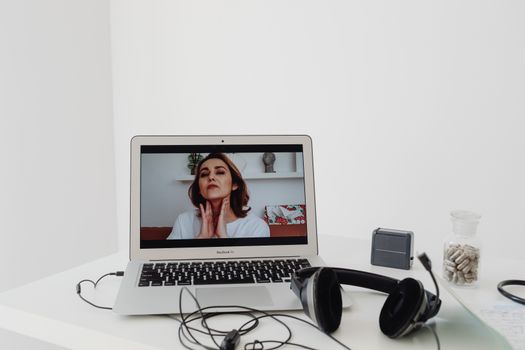 Photo: www.kaboompics.com / Pexels