
How to Easily Schedule Blood Test Appointment in the US
Navigate the process of booking your essential blood tests with confidence, from physician referral to lab visit.
Book Your Test NowKey Takeaways
- ✓ Most blood tests require a doctor's order.
- ✓ You have options for where to get your blood drawn (lab, hospital, mobile service).
- ✓ Insurance coverage varies; always verify beforehand.
- ✓ Preparation for blood tests is crucial for accurate results.
How It Works
Before you can schedule a blood test, your healthcare provider must issue a requisition. This order specifies the exact tests needed and provides essential medical context.
Research and select a lab or service provider that is convenient, in-network with your insurance, and offers the required tests. Options include national chains, hospital labs, or mobile phlebotomy services.
Contact your chosen lab via phone or their online portal to book your blood test appointment. Be prepared to provide your doctor's order information and personal details.
Follow any specific preparation instructions, such as fasting or medication adjustments, provided by your doctor or the lab. Proper preparation ensures the accuracy of your test results.
Understanding the Necessity: Why You Need a Blood Test
 Photo: Tima Miroshnichenko / Pexels
Navigating the Process: How to Schedule Your Blood Test Appointment
 Photo: Nataliya Vaitkevich / Pexels
Preparation and What to Expect During Your Blood Draw
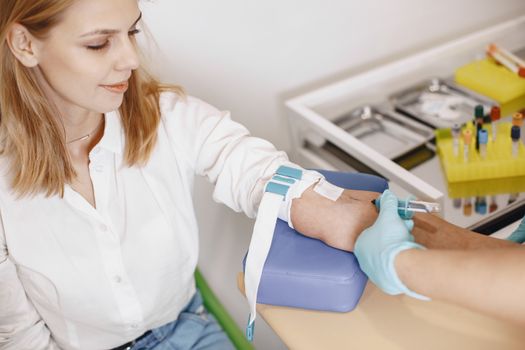 Photo: Gustavo Fring / Pexels
Common Mistakes to Avoid When Booking Your Blood Test
 Photo: Andrea Piacquadio / Pexels
Comparison
| Feature | National Lab Chains (e.g., Quest, LabCorp) | Hospital Laboratories | Mobile Phlebotomy Services |
|---|---|---|---|
| Convenience/Accessibility | Widespread locations, often walk-in friendly | Integrated with hospital visits, sometimes limited public access | At-home service, highest convenience |
| Cost/Insurance | Often in-network with major insurance, competitive pricing | Can be more expensive, integrated with hospital billing | Higher out-of-pocket cost, less likely to be insurance-covered |
| Service Speed | Efficient, high volume, quick turnaround on common tests | Can vary, often prioritize inpatient samples | Personalized, but sample transport time adds to turnaround |
| Specialized Tests | Broad range of specialized tests available | Excellent for complex or urgent hospital-related tests | Limited to common tests, may need to outsource rare ones |
What Readers Say
"I needed to schedule a blood test appointment for my annual check-up, and the online portal made it so easy. I was in and out in 15 minutes, and the phlebotomist was incredibly gentle. Highly recommend using their online system!"
Sarah J. · Austin, TX"After my doctor ordered several tests, I was dreading the logistics. This guide helped me understand how to choose a lab and prepare. My blood draw was smooth and the results came back quickly."
Mark D. · Orlando, FL"I used a mobile phlebotomy service after reading about it here, and it was a game-changer. Being able to schedule a blood test appointment at home saved me so much time and hassle, especially with my busy work schedule."
Emily R. · Seattle, WA"The scheduling process was straightforward, but I wish there was clearer upfront information about fasting for my specific tests. The staff at the lab were very professional once I arrived, though."
David P. · Boston, MA"My doctor needed urgent blood work, and the advice on choosing a hospital lab for quicker results was spot on. I was able to schedule a blood test appointment the same day and get the critical information needed for my treatment."
Jessica L. · Denver, COFrequently Asked Questions
Do I always need a doctor's order to schedule a blood test appointment?
In most cases, yes, a doctor's order (also known as a requisition or prescription) is required. This ensures that the correct tests are performed, and that a healthcare professional can interpret the results in the context of your medical history. Some direct-to-consumer lab testing services exist, but it's always best to consult with a doctor.
What if I forget to fast before my blood test?
If your blood test requires fasting and you accidentally eat or drink something (other than water), you should contact the lab or your doctor immediately. Eating can significantly alter results for tests like glucose and lipids, making them inaccurate. You will likely need to reschedule your appointment to ensure valid results.
How can I find a blood testing lab near me that accepts my insurance?
The easiest way is to check your insurance provider's website for a list of in-network laboratory services. You can also call the lab directly and provide them with your insurance information to verify coverage. Many large national chains also have online tools to check insurance compatibility.
How much does a blood test appointment typically cost?
The cost of a blood test varies widely depending on the specific tests ordered, your insurance coverage, and whether you've met your deductible. With insurance, you might only pay a co-pay, while without insurance, a comprehensive panel could range from tens to hundreds of dollars. Always inquire about costs upfront if you're concerned.
Is it better to schedule a blood test appointment online or by phone?
Both methods are generally effective. Online scheduling often offers more flexibility to view available slots and can be done at your convenience. Phone scheduling allows for direct interaction with a representative who can answer specific questions. Choose the method that best suits your comfort and needs.
Who should schedule blood test appointment regularly?
Individuals with chronic health conditions (like diabetes, heart disease, thyroid disorders), those taking certain medications that require monitoring, and anyone undergoing routine annual physicals should schedule blood test appointments regularly. Your doctor will advise on the appropriate frequency based on your health profile.
Are there any risks associated with a blood draw?
Blood draws are generally very safe procedures. Minor risks include lightheadedness, bruising, soreness at the puncture site, or very rarely, infection or nerve damage. These risks are minimized by trained phlebotomists using sterile techniques. Inform the phlebotomist if you have a history of fainting or bleeding disorders.
What are the future trends in scheduling blood test appointments?
Future trends point towards increased integration of telehealth for ordering tests, more advanced online scheduling platforms with real-time availability, and a rise in mobile phlebotomy services for at-home convenience. There's also a growing emphasis on personalized medicine, potentially leading to more targeted and frequent testing based on individual genetic and health profiles.
Taking control of your health starts with informed decisions. Use this comprehensive guide to confidently schedule your blood test appointment, ensuring a smooth process from start to finish. Don't delay your essential health insights – book your blood test today and empower your well-being.