✓ Medical alert systems provide 24/7 access to emergency help.
✓ Systems come in various types: in-home, mobile, and hybrid.
✓ Key features include fall detection, GPS tracking, and caregiver apps.
✓ Monthly monitoring fees are standard, ranging from $20-$50+.
How It Works
1
Wear Your Device
Users wear a discreet pendant or wristband, often waterproof, ensuring it's always accessible. This device contains a button to summon help.
2
Press for Help
In an emergency, the user presses the button on their device. Systems with automatic fall detection can also trigger an alert without a manual press.
3
Connect to Monitoring Center
The device sends a signal to a 24/7 monitoring center. A trained operator speaks through a base unit or the mobile device to assess the situation.
4
Receive Assistance
Based on the assessment, the operator dispatches appropriate help—emergency services, family, or neighbors—and stays on the line until help arrives.
Understanding Your Needs: The First Step to Senior Safety Devices
Photo: RDNE Stock project / Pexels
When you decide to buy medical alert system, the journey begins not with comparing brands, but with a thorough understanding of the user's specific needs and lifestyle. This foundational step is paramount, as the 'best' system is always the one that perfectly aligns with individual circumstances. Consider the user's mobility level: are they primarily homebound, or do they maintain an active, on-the-go lifestyle? For someone who spends most of their time at home, an in-home system with a strong range might suffice. These systems typically consist of a base unit connected to a landline or cellular network, paired with a wearable button. The range of the wearable from the base unit is a crucial factor, especially in larger homes or properties with expansive yards. If the user is prone to falls, or has conditions like osteoporosis, Parkinson's disease, or uses assistive devices like walkers, automatic fall detection becomes a non-negotiable feature. This technology uses accelerometers and other sensors to detect sudden changes in movement that indicate a fall, automatically alerting the monitoring center even if the user is unable to press their button. This can be a lifesaver, particularly if a fall leads to unconsciousness or severe injury, preventing long hours on the floor waiting for help.
Next, assess their technological comfort. While most medical alert systems are designed for simplicity, some advanced features might be overwhelming for certain individuals. Is the user comfortable with charging devices regularly, or do they prefer a system with a long-lasting battery that requires minimal interaction? Do they have a smartphone, and would they benefit from a caregiver app that allows loved ones to track their location or check device status? The presence or absence of a landline is another practical consideration. Many modern systems operate via cellular networks, eliminating the need for a traditional landline, which can be a significant advantage for those who have cut the cord. However, for areas with poor cellular reception, a landline-based system might offer more reliable connectivity.
Beyond physical needs, consider the emotional and social aspects. Does the user live alone, making immediate emergency contact critical? Or do they live with family, but still require a system for times when they are unsupervised? The feeling of security and independence that a medical alert system provides can significantly enhance quality of life, reducing anxiety for both the user and their family. Understanding these nuances will guide you towards the most appropriate type of system, ensuring that when you finally select a medical alert system, it truly serves its purpose effectively and comfortably.
Navigating Features and Options for Personal Emergency Response Systems
Photo: Tessy Agbonome / Pexels
Once you have a clear understanding of the user's needs, the next step in the process to buy medical alert system is to delve into the myriad of features and options available. The market offers a diverse range of personal emergency response systems (PERS), each designed to cater to different scenarios. The primary distinction lies between in-home systems, mobile systems, and hybrid solutions. In-home systems are best suited for individuals who spend the majority of their time within their residence. These typically include a base unit that connects to a monitoring center and a waterproof, wearable pendant or wristband. The range of the pendant from the base unit is a critical specification; ensure it covers all living areas, including bathrooms and outdoor spaces like gardens or porches where falls are common. Some advanced in-home systems also offer voice-activated capabilities, allowing users to call for help even if they cannot reach their button.
Mobile medical alert systems, on the other hand, are designed for active individuals who are often out and about. These devices incorporate GPS technology, enabling monitoring centers to pinpoint the user's location during an emergency, whether they are at the grocery store, on a walk, or visiting friends. Many mobile units are compact, discreet, and may resemble a small pager or even a smartwatch. They often have built-in speakers and microphones for two-way communication with the monitoring center. For those who fluctuate between home and outdoor activities, hybrid systems offer the best of both worlds, combining the robust coverage of an in-home unit with the portability and GPS capabilities of a mobile device. This flexibility ensures continuous protection regardless of location.
Beyond the basic connectivity, several advanced features can significantly enhance the utility of a medical alert system. Fall detection, as mentioned earlier, is a crucial add-on for many, offering an extra layer of security. Look for systems with high accuracy and minimal false alarms. GPS tracking is standard in mobile units, but some systems offer enhanced location services, allowing family members to check the user's whereabouts via a secure app. Caregiver apps are becoming increasingly popular, providing peace of mind to loved ones by offering features like activity tracking, low battery alerts, and the ability to communicate directly with the monitoring center or the user. Some systems also include medication reminders, helping users adhere to their prescribed schedules. Water resistance or full waterproofing is essential for any wearable device, as many emergencies occur in bathrooms or during activities like showering. Lastly, consider the battery life of the wearable devices and base units; longer battery life means less frequent charging and reduced risk of the device being non-functional when needed most. Evaluating these options carefully will ensure you select a system that provides comprehensive and reliable protection.
Cost Considerations and Financial Planning for Medical Alert Services
Photo: Yaroslav Shuraev / Pexels
The financial aspect is a significant factor when you decide to buy medical alert system. Understanding the various costs involved is crucial for making an informed decision that fits within your budget without compromising on safety. Generally, medical alert systems involve two primary types of costs: equipment fees and monthly monitoring fees. Equipment fees can vary widely. Some providers offer their equipment for free, often as part of a promotional offer or in exchange for a longer-term contract. Others may charge an upfront purchase fee for the device, which can range from $50 to several hundred dollars, especially for advanced mobile units with GPS and fall detection. It's important to clarify whether the equipment is purchased outright or leased; if leased, it usually needs to be returned if you cancel the service. Always inquire about activation fees as well, which are one-time charges some companies levy to set up your account and system.
The most consistent cost you will encounter is the monthly monitoring fee. This fee covers the 24/7 service provided by the monitoring center, ensuring that trained operators are always available to respond to alerts. Monthly fees typically range from $20 to $50 or more, depending on the type of system and the features included. Basic in-home systems without fall detection usually fall on the lower end of this spectrum, while advanced mobile systems with GPS, fall detection, and caregiver app access will be at the higher end. Some companies offer discounts for annual or quarterly payments, which can lead to significant savings over time. It's always worth asking about these payment options.
Beyond the basic fees, be aware of potential hidden costs. These might include fees for additional wearable buttons, specialized accessories, or even charges for false alarms with some providers (though this is less common). Shipping and handling fees for the equipment are also something to factor in. When comparing providers, always request a transparent breakdown of all costs to avoid surprises. Fortunately, there are several avenues for financial assistance that can help offset the cost of medical alert services. Medicare does not typically cover the cost of medical alert systems, as they are generally not classified as durable medical equipment. However, some Medicare Advantage plans might offer partial or full reimbursement as a supplemental benefit. It's essential to check with your specific plan provider to understand their coverage. Medicaid, in some states, may cover medical alert systems through specific waiver programs for home and community-based services. Veterans benefits, through the VA, can also provide assistance for eligible veterans. Long-term care insurance policies often include coverage for medical alert services, recognizing their role in maintaining independence and preventing more costly care. Finally, some state and local programs, as well as non-profit organizations, offer subsidies or grants to help seniors afford essential safety devices. Thorough research into these options can make a significant difference in the long-term affordability and accessibility of a medical alert system, ensuring peace of mind without financial strain.
Common Mistakes to Avoid When Choosing a Medical Alert System
When you set out to buy medical alert system, it's easy to get overwhelmed by the options and inadvertently make choices that don't fully serve your needs. Avoiding common pitfalls can save you time, money, and most importantly, ensure reliable safety.
**1. Not Testing the System Thoroughly:** Many people assume the system will work flawlessly out of the box. It is critical to test the system immediately upon setup. Press the button, speak to the operator, and ensure the two-way communication is clear. Test the range of the wearable device throughout the home, including bathrooms and basements. For mobile units, test in different outdoor locations. This confirms proper functionality and familiarizes the user with the process.
**2. Overlooking Battery Life and Charging Habits:** A medical alert system is useless if its battery is dead. Some devices have short battery lives, requiring daily charging, which can be easily forgotten by seniors. Always check the typical battery life and consider the user's ability and willingness to adhere to a charging schedule. Opt for systems with longer battery life or easy-to-use charging cradles if consistency is an issue.
**3. Ignoring the Monitoring Center's Reputation:** The monitoring center is the heart of any medical alert system. Don't just focus on the hardware. Research the company's monitoring center. Are they U.S.-based? Are their operators certified (e.g., UL certified)? What are their average response times? Read reviews specifically about their monitoring service, not just the device itself. A highly rated device with a slow or unhelpful monitoring center negates its purpose.
**4. Choosing the Wrong Type of System for Lifestyle:** An active senior who frequently leaves the house will not be adequately protected by an in-home-only system. Conversely, someone who rarely leaves their apartment might not need to pay extra for a GPS-enabled mobile unit. Match the system type (in-home, mobile, hybrid) precisely to the user's daily routine and mobility.
**5. Forgetting About Waterproofing:** Many falls occur in bathrooms. Ensure the wearable pendant or wristband is at least water-resistant, if not fully waterproof, to be worn in the shower or bath. This is a non-negotiable feature for comprehensive safety.
**6. Not Involving the User in the Decision:** While well-intentioned, selecting a system without the user's input can lead to non-compliance. The user needs to feel comfortable wearing the device and understand how to use it. Involve them in the selection process, let them try on different wearables, and explain the benefits to ensure they adopt it willingly.
**7. Failing to Understand the Contract and Hidden Fees:** Always read the fine print. Look for cancellation policies, return policies, equipment warranty, and any potential hidden fees (activation, shipping, false alarm charges). Some companies require long-term contracts, while others offer month-to-month flexibility. Choose what best suits your comfort level and financial situation.
By being diligent and avoiding these common mistakes, you can confidently buy medical alert system that provides genuine peace of mind and reliable protection for your loved ones.
Comparison
Feature
In-Home Basic
Mobile w/ GPS
Hybrid System
Smartwatch-Style
Coverage Area
Home only
Anywhere with cell service
Home & Mobile
Anywhere with cell service
Fall Detection
Optional
Optional
Optional
Often included
GPS Tracking
No
Yes
Yes
Yes
Two-Way Talk
Base unit
Device speaker
Base/Device
Device speaker
Wearable Style
Pendant/Wrist
Small mobile unit
Pendant/Mobile
Watch
Monthly Cost Range
$20-$35
$35-$50
$40-$60
$40-$65+
Battery Life (Wearable)
Months-Years (button)
1-5 days
1-5 days (mobile)
1-2 days
What Readers Say
★★★★★
"Deciding to buy medical alert system was the best choice for my mother. She had a fall last month, and the system immediately connected her to help. It truly saved her from a long, painful wait."
Evelyn R. · Phoenix, AZ
★★★★★
"I purchased a mobile unit for my dad who loves his daily walks. The GPS tracking gives me immense peace of mind, knowing he can get help no matter where he is. The call center was very professional during a test call."
Michael S. · Orlando, FL
★★★★★
"The automatic fall detection feature on our new system has already proven its worth. My husband fell in the bathroom, and before I even heard him, the operator was on the line, dispatching paramedics. Incredible response time."
Patricia L. · Denver, CO
★★★★★
"The system works great, and the peace of mind is invaluable. My only minor gripe is the battery life on the mobile unit; it needs charging every other day. Otherwise, a solid investment for safety."
Robert K. · Seattle, WA
★★★★★
"As a caregiver, the app that comes with the medical alert system is fantastic. I can check my aunt's device status and location, and it reduces my worry significantly. It's a comprehensive safety solution for everyone involved."
Sarah J. · Austin, TX
Frequently Asked Questions
What is the average cost to buy medical alert system and service?
The average cost to buy a medical alert system varies. Upfront equipment costs can range from $0 to several hundred dollars, while monthly monitoring fees typically fall between $20 and $65, depending on features like GPS, fall detection, and mobile capabilities. Always inquire about activation and shipping fees as well.
Will a medical alert system work if I don't have a landline?
Yes, many modern medical alert systems operate entirely on cellular networks, eliminating the need for a traditional landline. When you buy medical alert system, ensure you specify your connectivity preference. These cellular-based systems are ideal for homes without landlines or for mobile units that operate away from home.
How do I test my medical alert system once it's installed?
To test your system, simply press the emergency button on your wearable device. When the operator connects, inform them that you are conducting a test. They will verify your information and confirm the system is working correctly. It's recommended to perform monthly tests to ensure ongoing reliability.
Is a medical alert system with fall detection worth the extra cost?
For individuals at a higher risk of falls, such as those with mobility issues, chronic conditions, or who live alone, fall detection can be a life-saving feature. It automatically alerts the monitoring center even if the user is unconscious or unable to press their button, making the extra cost a worthwhile investment in critical situations.
How does a mobile medical alert system differ from an in-home system?
An in-home system typically uses a base unit connected to a landline or cellular network, with a wearable button that works within a limited range of the base. A mobile system, conversely, is a portable device with built-in GPS and cellular capabilities, allowing the user to call for help and be located anywhere there's cell service, offering protection on the go.
Who should consider using a medical alert system?
Anyone at risk of medical emergencies, falls, or who desires greater independence and safety should consider a medical alert system. This includes seniors living alone, individuals with chronic health conditions, those recovering from surgery, or anyone who wants the assurance of immediate access to help 24/7.
Are medical alert systems waterproof?
Most wearable medical alert devices are at least water-resistant, and many are fully waterproof, designed to be worn in the shower or bath where a significant number of falls occur. Always confirm the specific water resistance rating of any device you consider to ensure it meets your needs for continuous wear.
What future trends are expected in medical alert technology?
Future trends in medical alert technology include increased integration with smart home devices, more sophisticated AI-driven fall detection with fewer false alarms, predictive analytics for health monitoring, and even more discreet, fashionable wearable options that resemble regular jewelry or watches, enhancing user adoption and continuous wear.
Taking the step to buy medical alert system is a profound investment in safety and independence. By carefully considering individual needs, comparing features, and understanding costs, you can confidently choose a solution that provides unparalleled peace of mind for yourself or your loved ones. Don't wait for an emergency; empower yourself with immediate help today.

 Photo: RDNE Stock project / Pexels
 Photo: Tessy Agbonome / Pexels
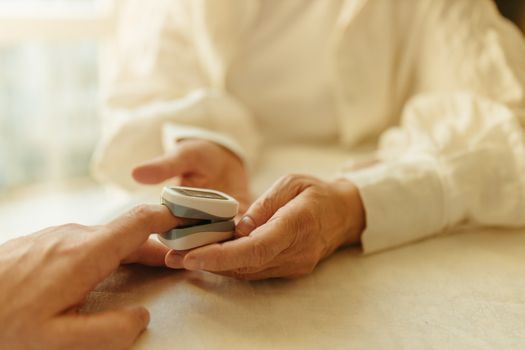 Photo: Yaroslav Shuraev / Pexels