
How to Become a Registered Nurse in California: Your Ultimate Guide
Navigate the journey to becoming a licensed Registered Nurse in California, from education to licensure and beyond.
Start Your RN JourneyKey Takeaways
- ✓ California has the largest RN workforce in the US.
- ✓ A minimum of an Associate's Degree in Nursing (ADN) or Bachelor of Science in Nursing (BSN) is required.
- ✓ Passing the NCLEX-RN exam is mandatory for licensure.
- ✓ California offers some of the highest RN salaries nationwide.
How It Works
Enroll in and successfully complete an accredited ADN or BSN program. This foundational step provides the necessary theoretical knowledge and practical skills.
After graduation, you must register for and pass the National Council Licensure Examination for Registered Nurses (NCLEX-RN). This exam assesses your readiness to practice safely and effectively.
Submit a comprehensive application to the California Board of Registered Nursing (BRN) with all required documentation, including transcripts and fingerprints for a background check.
Once licensed, you can pursue diverse nursing roles across California's vast healthcare landscape. Continuous learning and professional development are encouraged.
Understanding the California Nursing Landscape: Why Become an RN Here?
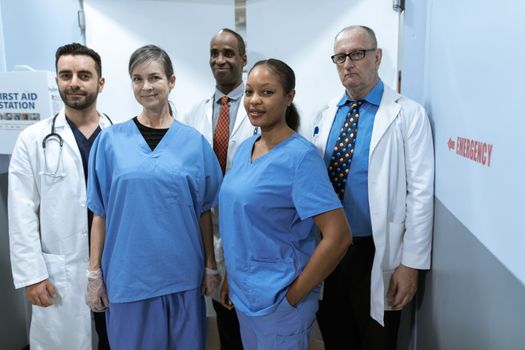 Photo: RDNE Stock project / Pexels
Educational Pathways to Becoming a California RN: ADN vs. BSN
 Photo: Yusuf Çelik / Pexels
Navigating the NCLEX-RN and California Licensure Application Process
 Photo: DΛVΞ GΛRCIΛ / Pexels
Career Outlook and Professional Development for California RNs
Comparison
| Feature | BSN Pathway | ADN Pathway | LVN-to-RN Bridge |
|---|---|---|---|
| Typical Duration | 4 years | 2 years | 1-2 years (post-LVN) |
| Education Depth | Comprehensive, leadership, research | Foundational, direct patient care | Builds on LVN, focused RN skills |
| Career Advancement | ✓ (Preferred for many roles) | ✗ (Often requires BSN for advancement) | ✓ (Opens RN opportunities) |
| Initial Cost | Higher (university tuition) | Lower (community college tuition) | Moderate |
What Readers Say
"This guide was incredibly helpful in demystifying how to become a registered nurse in California. I felt overwhelmed by all the steps, but this article broke it down into manageable parts. It gave me the confidence to start my ADN program."
Sarah J. · San Diego, CA"As someone transitioning careers, the breakdown of ADN vs. BSN pathways was crucial. This content provided clear insights into what each degree entails and helped me choose the best educational route for my goals in California."
Michael D. · Sacramento, CA"Thanks to this comprehensive resource, I successfully navigated the NCLEX-RN registration and California BRN application process. I'm now a licensed RN in California, working in a top hospital, and this guide was my constant reference."
Emily R. · Los Angeles, CA"The information on career outlook and professional development for RNs in California was very insightful. While the financial aspects could have been slightly more detailed regarding cost of living vs. salary, the overall guidance was excellent and motivating."
David L. · San Jose, CA"I appreciated the emphasis on continuous learning and specialization in California nursing. This article reinforced my decision to pursue my BSN and eventually a master's degree, showing me the long-term potential in this rewarding field."
Jessica M. · Fresno, CAFrequently Asked Questions
What are the absolute minimum requirements to become a registered nurse in California?
To become a registered nurse in California, you must complete an accredited Associate's Degree in Nursing (ADN) or Bachelor of Science in Nursing (BSN) program, pass the NCLEX-RN examination, and successfully apply for licensure with the California Board of Registered Nursing (BRN), which includes a background check.
Is it harder to get an RN license in California compared to other states?
While the educational and examination requirements for RN licensure are largely standardized across the U.S. (NCLEX-RN), California's application process through the BRN can sometimes be perceived as more rigorous or lengthy due to detailed background checks and specific documentation requirements. However, with careful preparation, it's entirely manageable.
How do I find an accredited nursing program in California?
You can find accredited nursing programs in California by checking the California Board of Registered Nursing (BRN) website for a list of approved programs. Additionally, you can verify national accreditation through the Accreditation Commission for Education in Nursing (ACEN) or the Commission on Collegiate Nursing Education (CCNE) websites.
What is the average cost of nursing school in California?
The cost of nursing school in California varies significantly. ADN programs at community colleges can range from $5,000 to $15,000 for tuition, while BSN programs at public universities might cost $20,000 to $60,000 or more for in-state tuition, and private universities can be substantially higher. These figures do not include living expenses, books, or fees.
Can I transfer my RN license from another state to California?
Yes, California offers licensure by endorsement for RNs licensed in other U.S. states or territories. You will need to submit an application to the California BRN, provide verification of your out-of-state license, and meet California's specific requirements, including a background check and potentially additional coursework if your original education did not meet California's standards.
Who should consider becoming a registered nurse in California?
Individuals who are compassionate, detail-oriented, possess strong critical thinking skills, and are dedicated to patient care should consider becoming an RN in California. Those seeking a challenging yet rewarding career with high demand, competitive salaries, and diverse specialization opportunities in a progressive healthcare environment will find California an ideal place to practice.
Are there any risks or common pitfalls when applying for RN licensure in California?
Common pitfalls include incomplete applications, failure to disclose prior criminal history or disciplinary actions (even minor ones), delays in submitting official transcripts, and issues with fingerprint background checks. It's crucial to follow all BRN instructions meticulously and respond promptly to any requests for additional information to avoid delays or application denial.
What are the future trends for registered nurses in California?
Future trends for RNs in California include an increasing emphasis on advanced practice roles (APRNs), greater integration of technology and telehealth in patient care, a continued focus on preventative health and chronic disease management, and a growing need for nurses with cultural competence to serve the state's diverse population. Lifelong learning and adaptability will be key.
Ready to embark on a fulfilling and impactful career? Start your journey to become a registered nurse in California today by exploring accredited programs and preparing for your licensure. Your dedication will open doors to a profession that makes a profound difference in countless lives.