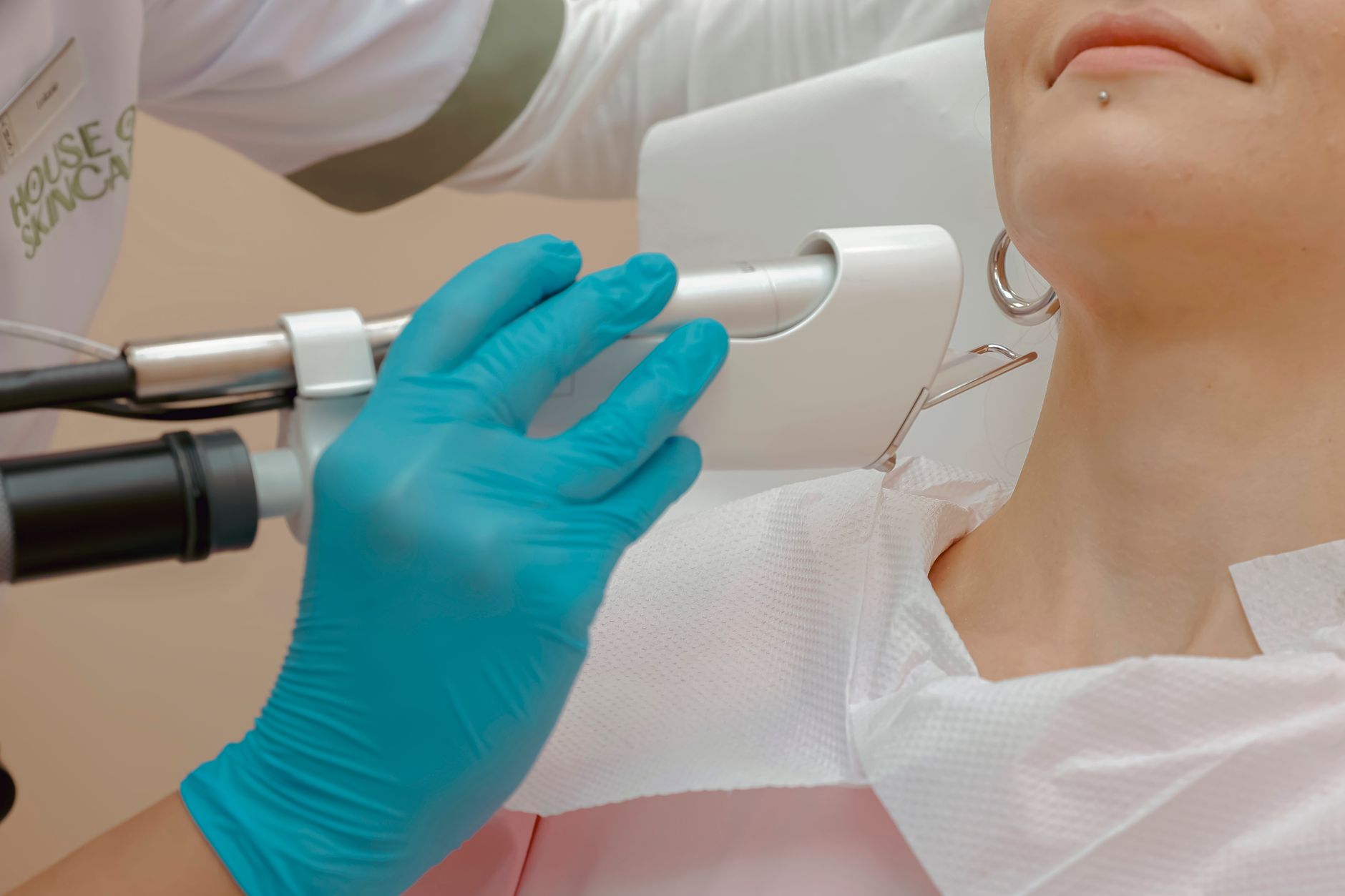
How to Find a Dermatologist Near Me: Your Ultimate Guide
find a dermatologist near me

How to Find a Dermatologist Near Me: Your Ultimate Guide

Navigate the search for top-tier dermatological care with confidence and ease, ensuring your skin health is in expert hands.

Start Your Search Now

Key Takeaways

  • ✓ Dermatologists treat over 3,000 skin, hair, and nail conditions.
  • ✓ Board certification signifies rigorous training and expertise.
  • ✓ Telemedicine options are expanding access to dermatological care.
  • ✓ Insurance coverage for dermatology varies widely by plan and condition.

How It Works

1
Define Your Needs

Before searching, identify your primary concern, whether it's acne, eczema, skin cancer screening, or cosmetic procedures. This helps narrow down specialist types.

2
Utilize Online Directories & Referrals

Leverage reputable online search tools, your primary care physician's recommendations, and ask friends or family for trusted referrals. These sources offer a broad starting point.

3
Verify Credentials & Read Reviews

Always check for board certification, experience, and read patient testimonials to gauge a dermatologist's bedside manner and effectiveness. This ensures quality and compatibility.

4
Consider Logistics & Insurance

Confirm the office location, hours, and whether they accept your insurance plan. These practical considerations are crucial for seamless access to care.

Understanding the Role of a Dermatologist: More Than Skin Deep
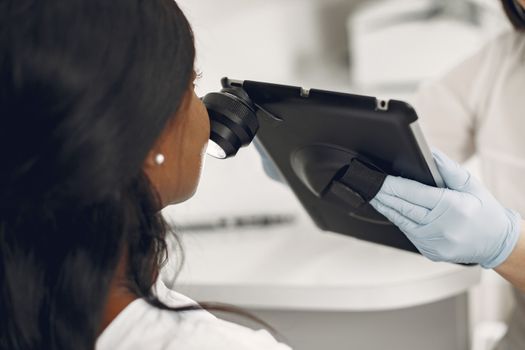
Dermatologist examining a patient's skin using a digital dermatoscope and tablet for precision observation. Photo: Gustavo Fring / Pexels
When you embark on the journey to find a dermatologist near me, it's crucial to first understand the breadth and depth of expertise these medical professionals bring to the table. A dermatologist is not just a 'skin doctor'; they are highly specialized physicians trained to diagnose and treat more than 3,000 conditions affecting the skin, hair, and nails. This includes common ailments like acne, eczema, and psoriasis, as well as more complex issues such as skin cancer, autoimmune skin diseases, and hair loss. Their rigorous training involves extensive medical school education, followed by a demanding residency program specifically focused on dermatology. This comprehensive background equips them with the knowledge to recognize subtle signs of disease, perform intricate diagnostic procedures, and implement effective treatment plans, ranging from topical medications and oral therapies to surgical interventions and advanced laser treatments. Beyond treating existing conditions, dermatologists play a pivotal role in preventative care. Regular skin cancer screenings, for instance, are a cornerstone of their practice, allowing for early detection and significantly improved outcomes for melanoma and other skin cancers. They also provide invaluable guidance on sun protection, skincare routines tailored to individual needs, and advice on maintaining overall skin health. For many, a dermatologist is also a key partner in addressing cosmetic concerns, such as wrinkles, age spots, and scarring, utilizing techniques like Botox, fillers, chemical peels, and microdermabrasion. Choosing the right dermatologist means finding a healthcare partner who can address both your medical and aesthetic needs with professionalism and expertise. Their ability to integrate medical knowledge with an understanding of skin aesthetics makes them uniquely qualified to help you achieve and maintain healthy, vibrant skin. Understanding these diverse roles is the first step in making an informed decision when you need to find a trusted medical expert for your skin concerns. It's about recognizing that skin health is intricately linked to overall well-being, and a dermatologist is your dedicated advocate in this critical area of health. They can identify underlying systemic issues that manifest on the skin, demonstrating their comprehensive medical perspective.

Navigating Your Search: How to Find a Dermatologist Near Me Effectively

Two doctors in lab coats discussing an X-ray in a clinical setting. Photo: RDNE Stock project / Pexels
The process of how to find a dermatologist near me can feel daunting, but with a structured approach, you can efficiently locate a qualified professional who meets your specific needs. Start by tapping into your existing healthcare network. Your primary care physician (PCP) is an excellent first point of contact. They often have established relationships with dermatologists in the area and can provide referrals based on your symptoms and their knowledge of local specialists. A referral from your PCP can also be crucial for insurance coverage, depending on your plan. Next, leverage the power of online search tools and directories. Websites like the American Academy of Dermatology (AAD), Zocdoc, Healthgrades, and Vitals allow you to search for dermatologists by zip code, specialty, and even specific conditions. These platforms often include patient reviews, which can offer valuable insights into a doctor's bedside manner, wait times, and the overall patient experience. While reviews should be considered with a critical eye, consistent themes can be informative. When using these resources, pay close attention to board certification. A board-certified dermatologist has passed rigorous examinations demonstrating their expertise in the field, indicating a higher standard of care. Don't underestimate the power of word-of-mouth. Ask friends, family, or colleagues for recommendations. Personal experiences can often lead you to a compassionate and skilled dermatologist who might not be immediately apparent through online searches alone. Once you have a shortlist, visit their practice websites. Look for information about their philosophy of care, specific services offered, patient testimonials, and accepted insurance plans. Some practices also offer virtual consultations, which can be a convenient initial step for certain concerns. Remember, the goal is not just to find *a* dermatologist, but to find the *right* dermatologist for you – one who is not only clinically excellent but also aligns with your communication preferences and healthcare philosophy. This thorough approach ensures you're making an informed decision about your skin health partner. Consider checking if they have specializations in areas relevant to your condition, such as pediatric dermatology for children or Mohs surgery for skin cancer, further refining your search for the most appropriate expert.

What to Look For: Key Factors in Choosing Your Dermatologist

A hand marking a date on a calendar next to a glucometer on a purple background. Photo: Artem Podrez / Pexels
Once you have a list of potential dermatologists in your area, evaluating them based on key criteria is essential to ensure you make the best choice for your skin health. The first and arguably most important factor is board certification. As mentioned, this credential signifies that a dermatologist has met the highest standards of training, knowledge, and experience in their specialty. You can usually verify this through the American Board of Dermatology or by checking their profile on reputable medical directories. Experience and specialization also play a significant role. While all dermatologists treat general skin conditions, some may have particular expertise in areas like cosmetic dermatology, pediatric dermatology, dermatologic surgery, or specific conditions such as psoriasis or severe acne. If you have a very specific or complex condition, seeking out a dermatologist with a sub-specialty focus might be beneficial. For example, if you're concerned about skin cancer, a dermatologist who performs Mohs surgery could be an excellent choice. Patient reviews and testimonials, while subjective, can offer insights into aspects like the doctor's communication style, empathy, and the efficiency of the office staff. Look for consistent feedback regarding factors important to you. A doctor who takes the time to explain diagnoses and treatment options clearly, and who listens to your concerns, is often highly valued. Consider the practical aspects as well. Location and accessibility are important – a dermatologist whose office is conveniently located and has reasonable appointment availability will make it easier to adhere to your treatment plan and attend follow-up visits. Finally, and critically, clarify insurance acceptance and billing practices upfront. Call the office or check their website to confirm they are in-network with your insurance provider. Understand what your co-pay, deductible, and any potential out-of-pocket costs might be, especially for cosmetic procedures that may not be covered. A transparent billing policy is a good sign of a well-run practice. Making an informed decision based on these factors will help you select a healthcare provider who not only offers excellent medical care but also provides a positive and supportive patient experience, fostering a long-term relationship built on trust and effective communication for your ongoing skin health. Don't hesitate to prepare a list of questions for your initial consultation to further assess if the dermatologist is the right fit for you. This proactive approach ensures all your concerns are addressed.

Common Mistakes to Avoid When You Find a Dermatologist Near Me

When searching for a dermatologist, it's easy to fall into common traps that can hinder your ability to find the best care. Being aware of these pitfalls can save you time, money, and potential frustration. **Mistakes to Avoid:** * **Prioritizing Convenience Over Qualification:** While proximity is a factor, don't choose a dermatologist solely because they are the closest. Board certification, experience, and patient reviews should always take precedence over mere convenience. A slightly longer drive for superior care is often a worthwhile trade-off. * **Ignoring Insurance Coverage:** Many people book an appointment only to find out later that the dermatologist is out-of-network, leading to unexpected and often high medical bills. Always verify insurance acceptance *before* your first appointment. Call both the dermatologist's office and your insurance provider to confirm coverage. * **Relying Solely on Online Reviews:** While helpful, online reviews are subjective and can sometimes be skewed. Don't let a few negative reviews deter you if other indicators (like board certification and referrals) are strong. Conversely, don't assume a perfect rating guarantees the ideal doctor for *your* specific needs. * **Not Asking Enough Questions:** During your initial consultation, don't be afraid to ask about the doctor's experience with your specific condition, their treatment philosophy, and what to expect. A good dermatologist will welcome your questions and provide clear, comprehensive answers. If you feel rushed or unheard, it might be a red flag. * **Overlooking Office Environment and Staff:** The overall atmosphere of the clinic and the professionalism of the support staff contribute significantly to your patient experience. A disorganized office or unhelpful staff can make appointments stressful, even if the doctor is excellent. * **Dismissing the Importance of a Good Rapport:** You'll be discussing sensitive health issues with your dermatologist. It's important to feel comfortable and trust your doctor. If the communication feels strained or you don't feel heard, it might be challenging to build a long-term relationship, which is often crucial for chronic skin conditions. By being mindful of these common mistakes, you can refine your search and ensure you select a dermatologist who is not only highly qualified but also a good fit for your personal healthcare journey. This proactive approach will empower you to find the best possible care for your skin, hair, and nail health.

Comparison

FeatureBoard-Certified DermatologistGeneral PractitionerAesthetician
Medical Diagnosis & Treatment✓ (Extensive)Limited (Referral often needed)✗ (No)
Skin Cancer Screening✓ (Specialized)Limited (Basic check)✗ (No)
Prescription Medications✓✓ (Basic conditions)✗ (No)
Surgical Procedures✓ (Biopsies, excisions)✗ (No)✗ (No)
Cosmetic Procedures✓ (Medical-grade)✗ (No)✓ (Non-invasive)
Insurance CoverageOften covered (medical)Typically coveredRarely covered

What Readers Say

★ ★ ★ ★ ★

"I used this guide to find a dermatologist near me, and I couldn't be happier. Dr. Lee was incredibly thorough with my skin cancer screening and took the time to explain everything. Highly recommend their process!"

Sarah J. · Austin, TX
★ ★ ★ ★ ★

"Finding a good dermatologist for my persistent acne was a challenge until I followed these steps. The clinic was professional, and my skin has never looked better. Fantastic resource!"

Mark R. · Miami, FL
★ ★ ★ ★ ★

"After years of struggling with eczema, this guide helped me locate a specialist who genuinely understood my condition. My flare-ups are now under control, a result I never thought possible."

Emily P. · Denver, CO
★ ★ ★ ★ ★

"The tips for checking insurance and board certification were invaluable. I found a great dermatologist, though the initial wait for an appointment was a bit long. Still, worth it for the quality of care."

David L. · Seattle, WA
★ ★ ★ ★ ★

"As someone new to the area, the advice on leveraging online directories and asking for referrals was a lifesaver. I found a fantastic cosmetic dermatologist for my anti-aging concerns, and the results are natural and beautiful."

Jessica M. · Boston, MA

Frequently Asked Questions

What is the most important thing to look for when I find a dermatologist near me?

The most important factor is board certification by the American Board of Dermatology. This ensures the dermatologist has completed rigorous training and demonstrated comprehensive knowledge and expertise in the field, signifying a high standard of medical care and ethical practice.

My skin condition isn't severe; do I really need to see a dermatologist?

Yes, even seemingly minor skin concerns can benefit from a dermatologist's assessment. Early diagnosis and treatment can prevent conditions from worsening, and a dermatologist can provide personalized advice on skincare and preventative measures tailored to your specific skin type and concerns.

How can I check if a dermatologist accepts my insurance?

You can check by calling the dermatologist's office directly and providing your insurance plan details, or by contacting your insurance provider's member services to inquire about in-network dermatologists. It's always best to verify with both parties to avoid unexpected costs.

Are dermatologists expensive, and what if I don't have good insurance?

Costs can vary significantly depending on the service, location, and whether you have insurance. If insurance coverage is a concern, inquire about payment plans, sliding scale fees, or community health clinics that offer dermatological services at reduced costs. Telemedicine might also be a more affordable option for initial consultations.

What's the difference between a dermatologist and an aesthetician?

A dermatologist is a medical doctor who diagnoses and treats skin diseases, performs surgeries, and prescribes medication. An aesthetician is a licensed professional who provides cosmetic skin treatments like facials and waxing but cannot diagnose medical conditions or prescribe medication. Dermatologists often oversee aestheticians in medical spas.

Who should prioritize finding a dermatologist near me?

Anyone with persistent or changing skin, hair, or nail concerns should prioritize seeing a dermatologist. This includes individuals with new moles, chronic acne, unexplained rashes, hair loss, or those with a family history of skin cancer. Regular check-ups are vital for proactive health management.

Is it safe to use telemedicine for dermatology consultations?

Yes, telemedicine can be a safe and effective option for many dermatological concerns, especially for initial assessments, follow-ups, and conditions that can be visually diagnosed. However, for procedures like biopsies or surgical removals, an in-person visit is necessary. Always ensure the virtual platform is secure and HIPAA compliant.

What are the future trends in dermatology that might impact my search?

Future trends include continued growth in teledermatology for increased accessibility, advancements in AI for early disease detection, personalized medicine based on genetic profiles, and innovative non-invasive treatments. These developments aim to make dermatological care more precise, accessible, and tailored to individual patient needs.

Empower yourself with the knowledge to find a dermatologist near me who truly meets your needs. Take the first step towards healthier skin by utilizing these expert strategies and secure the specialized care you deserve. Your skin health is an investment worth making.

Topics: find a dermatologist near mebest dermatologistskin doctordermatology servicesacne treatment
Toplash
Leo List

Skihires
Adultwork EstrelaBet Vai de Bet R7 Bet Betão Galera Bet Rainbet Bet9ja Shop SportyBet BetKing Sisal Loto Foot Hollywoodbets YesPlay Odibets RushBet Jugabet BetWarrior BetCity MSport betPawa Fortebet