Comparing Free Unlimited Video Call Apps: No Hidden Costs
free unlimited video call apps

Comparing Free Unlimited Video Call Apps: No Hidden Costs

Find the perfect, truly free video call solution for your medical communication needs without unexpected charges.

Explore Free Apps Now

Key Takeaways

  • ✓ Many 'free' apps have limitations on call duration or participants.
  • ✓ HIPAA compliance is crucial for medical video calls in the US.
  • ✓ End-to-end encryption is a non-negotiable security feature.
  • ✓ User-friendliness is key for both medical staff and patients.

How It Works

1
Identify Your Needs

Determine the number of participants, typical call duration, and any specific features like screen sharing or recording you require. Consider if patient data will be shared, necessitating HIPAA compliance.

2
Research & Compare

Dive into the features, limitations, and, critically, the privacy policies of various 'free' video call apps. Pay close attention to terms of service regarding data handling and potential hidden costs.

3
Test & Evaluate

Before full adoption, conduct trial calls with colleagues or trusted individuals using the shortlisted apps. Assess video/audio quality, ease of use, and overall reliability on different devices and internet connections.

4
Implement & Train

Once an app is selected, ensure all users (both medical staff and patients) receive clear instructions on how to download, install, and use the platform. Provide resources for troubleshooting common issues.

Understanding 'Free' in Medical Video Conferencing

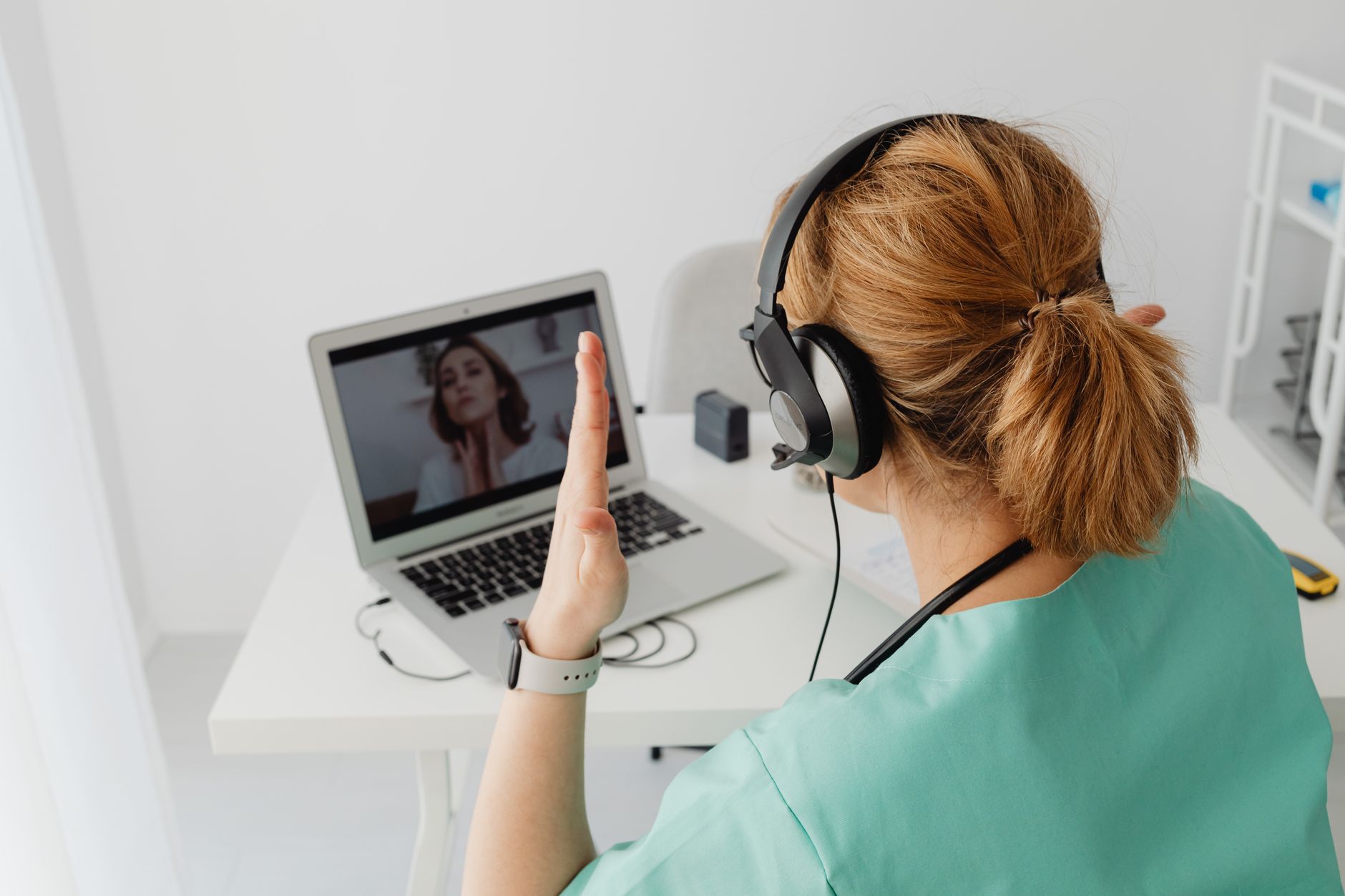
A female doctor in scrubs using a laptop for a virtual consultation, enhancing telemedicine. Photo: www.kaboompics.com / Pexels
The landscape of video communication has exploded, especially within the medical sector, driven by the increasing demand for telehealth services and remote consultations. When we talk about 'free unlimited video call apps,' it's crucial to dissect what 'free' truly means, particularly in a sensitive field like healthcare where data privacy and security are paramount. Many platforms offer a 'free' tier, but these often come with significant limitations that can quickly become problematic for medical use. These limitations might include caps on call duration, a restricted number of participants, lack of advanced features like screen sharing or recording, or, most critically, a lack of the robust security and compliance features required for handling Protected Health Information (PHI). For medical professionals and patients in the US, the gold standard for data privacy is the Health Insurance Portability and Accountability Act (HIPAA). A truly free video call app for medical use must, at a minimum, offer end-to-end encryption, secure data transmission, and ideally, a Business Associate Agreement (BAA) for covered entities. Without a BAA, using a standard free consumer-grade app for patient consultations can put providers at significant risk of HIPAA violations, leading to hefty fines and reputational damage. This section will delve into the nuances of what to look for beyond the 'free' label, emphasizing that while the cost may be zero, the responsibility for patient data security remains 100%. We'll explore how some platforms manage to offer a free service while maintaining a level of security suitable for general conversations, but often fall short when it comes to the stringent requirements of medical data. Understanding these underlying mechanisms is the first step in making an informed choice that safeguards both patient privacy and professional integrity. The focus here is on identifying apps that genuinely provide a no-cost solution without compromising on the non-negotiable aspects of medical communication, ensuring that 'unlimited' applies not just to call time but also to peace of mind. Learn more about HIPAA compliance in telehealth.

Key Features and Compliance for Secure Medical Calls

When evaluating free unlimited video call apps for medical use, a checklist of essential features and compliance standards is indispensable. Beyond the obvious need for high-quality audio and video, several critical elements differentiate a suitable medical communication tool from a general-purpose one. First and foremost is HIPAA compliance. As discussed, any platform handling PHI must adhere to HIPAA regulations, which typically means offering a BAA. This agreement legally obligates the service provider to protect PHI in accordance with HIPAA rules. Without it, even if an app claims strong security, it’s not technically HIPAA compliant for covered entities. End-to-end encryption (E2EE) is another non-negotiable feature. E2EE ensures that only the communicating parties can read the messages or hear the calls, meaning no third party, not even the service provider, can access the content. This is fundamental for maintaining patient confidentiality. Look for apps that explicitly state they use E2EE for all communications. Other vital security features include robust access controls, password protection for meetings, waiting room functionalities to admit participants one by one, and the ability to lock meetings once they've started. These measures prevent unauthorized access and enhance the overall security of virtual consultations. Beyond security, consider the user experience for both providers and patients. An intuitive interface that requires minimal technical expertise is crucial. Patients, especially those who may not be tech-savvy, should be able to join a call with just a few clicks. Features like screen sharing for reviewing lab results or imaging, a chat function for sending quick messages or links, and virtual backgrounds for privacy can also significantly enhance the consultation experience. The ability to integrate with existing electronic health record (EHR) systems, even if limited in a free tier, can be a bonus for streamlining workflows. Finally, reliable customer support, even for free users, can be a lifesaver when technical issues arise during a critical patient interaction. Prioritizing these features ensures that 'free' doesn't translate to 'compromised' when it comes to medical care.

Our partners at monkey-app.net offer related services.

Top Contenders: Truly Free and Robust Options for Healthcare

Navigating the myriad of 'free' video call apps to find genuinely suitable options for healthcare in the US can be challenging, but a few stand out for their commitment to security, privacy, and user-friendliness, even in their no-cost versions. While truly 'unlimited' and HIPAA-compliant free tiers are rare, some platforms offer generous free plans that can be highly effective for specific medical use cases, particularly for smaller practices or individual consultations where the volume of calls might be lower, or for situations where a BAA isn't strictly required (e.g., initial informational calls not involving PHI). One strong contender is **Doxy.me**. While its paid tiers offer full HIPAA compliance and BAAs, Doxy.me’s free version is specifically designed for healthcare, offering a secure, simple, and reliable platform for telehealth. It boasts a 'virtual waiting room' feature and is incredibly easy for patients to use – they just click a link, no downloads or accounts needed. While the free version doesn't include a BAA, its focus on healthcare security makes it a preferred choice for many. Users should be mindful of HIPAA compliance limitations in the free tier for PHI exchange. Another option to consider for specific, non-PHI related medical discussions or internal team communication is **Google Meet's** free tier. While not inherently HIPAA-compliant for patient data without a Google Workspace Business or Enterprise subscription and an executed BAA, its robust security features, ease of use, and integration with the Google ecosystem make it a powerful tool for administrative meetings, training, or general information sharing within a medical practice. Users must exercise extreme caution and never discuss PHI on the free version. Similarly, **Jitsi Meet** stands out as an open-source, fully encrypted, and highly customizable option. It's free, requires no account, and offers strong security with E2EE. While a BAA isn't directly offered by Jitsi itself, its open-source nature allows for self-hosting, which can be configured for HIPAA compliance by the organization. This requires more technical expertise but offers ultimate control. For individual practitioners or those testing the waters of telehealth, these options provide a solid starting point, but always remember to thoroughly review their terms of service and privacy policies in the context of your specific medical needs and HIPAA obligations. Discover more about telehealth regulations.

Tips for Optimal Use and Avoiding Common Pitfalls

Adopting free unlimited video call apps for medical purposes requires strategic planning and careful execution to ensure both efficiency and compliance. Here are essential tips for optimal use and common pitfalls to avoid: **Tips for Optimal Use:** * **Clear Patient Instructions:** Provide simple, step-by-step guides for patients on how to join a call, including a link, meeting ID (if applicable), and basic troubleshooting tips (e.g., check internet connection, allow camera/microphone access). This minimizes delays and patient frustration. * **Test Equipment Regularly:** Before each day of virtual consultations, quickly test your camera, microphone, and internet connection. A brief pre-call check can prevent disruptions during critical patient interactions. * **Maintain Professional Backgrounds:** Ensure your virtual background is professional and clutter-free. Use virtual backgrounds provided by the app if your physical space isn't ideal, but choose simple, non-distracting options. * **Strong Internet Connection:** Both the provider and patient should aim for a stable, high-speed internet connection to ensure clear audio and video quality, reducing lag and dropped calls. * **Educate on Privacy:** Inform patients about the security features of the platform being used and reiterate the importance of their own privacy (e.g., finding a quiet, private space for their call). **Common Pitfalls to Avoid:** * **Assuming HIPAA Compliance:** Never assume a free app is HIPAA compliant. Always verify if a BAA can be signed and understand the limitations of the free tier regarding PHI. * **Ignoring Security Settings:** Do not overlook security features like waiting rooms, password protection, and meeting locks. These are critical for preventing unauthorized access to sensitive patient discussions. * **Using Public Wi-Fi:** Avoid conducting or joining medical video calls over unsecured public Wi-Fi networks. Always use a secure, private network to protect patient data. * **Overlooking Accessibility:** Ensure the chosen app is accessible to all patients, including those with disabilities or limited technological literacy. Consider features like closed captioning if available. * **Recording Without Consent:** Never record a patient consultation without explicit, informed consent from the patient and full adherence to all relevant legal and ethical guidelines. By following these guidelines, medical professionals can leverage the benefits of free video call apps while upholding the highest standards of patient care and data security.

Comparison

FeatureDoxy.me (Free)Google Meet (Free)Jitsi Meet (Self-Hosted)
HIPAA BAA AvailabilityPaid Tiers OnlyGoogle Workspace OnlyOrganization's Responsibility
End-to-End Encryption
Max Participants (Free)1:1 Patient Calls100Unlimited (Server Dependent)
Call Duration Limit (Free)Unlimited60 min (for 3+ participants)Unlimited
Account Required (Patient)Google Account (for host)
Virtual Waiting Room

What Readers Say

"Comparing Free Unlimited Video Call Apps: No Hidden Costs led me to Doxy.me's free tier. It's incredibly easy for my patients to use, and I appreciate its focus on healthcare. While I eventually upgraded for the BAA, the free version was a fantastic starting point for my virtual consultations."

Dr. Sarah Chen · Boston, MA

"As a patient, finding an app that didn't require me to download anything or create an account was a huge relief. The article helped my doctor choose a platform that made my telehealth visit seamless and stress-free. No hidden costs or confusing steps!"

Mark Johnson · Miami, FL

"We used Google Meet's free tier for internal team meetings after reading this comparison. It's been perfect for daily check-ins and non-PHI discussions, saving our clinic significant money while maintaining excellent communication among staff."

Eleanor Vance, RN · Seattle, WA

"The insights on HIPAA compliance and the limitations of 'free' tiers were invaluable. It highlighted the need for careful selection, and while no truly free app is a perfect HIPAA solution for all scenarios, the guide helped me understand where the free options fit into my practice."

Dr. Alex Rodriguez · Austin, TX

"This article was extremely helpful in understanding the technical aspects of video calls for medical use. I now feel more confident in discussing privacy and security with my healthcare providers regarding virtual appointments. Great breakdown of Comparing Free Unlimited Video Call Apps: No Hidden Costs!"

Jessica Lee · Denver, CO

Frequently Asked Questions

Are 'free unlimited video call apps' truly HIPAA compliant for medical use?

Generally, no, not without specific paid tiers or executed Business Associate Agreements (BAAs). While some free apps offer strong encryption, HIPAA compliance for covered entities requires a BAA, which is typically only available with paid business plans. Always verify the platform's specific HIPAA statement and BAA availability.

What is the biggest risk of using a consumer-grade free app for patient consultations?

The biggest risk is a HIPAA violation due to inadequate security measures and the lack of a BAA. This can lead to severe penalties, data breaches, and a loss of patient trust, as Protected Health Information (PHI) may not be adequately safeguarded.

How can I ensure my patients can easily join a free video call for their appointment?

Choose an app that requires no downloads or account creation for patients, like Doxy.me. Provide clear, concise instructions via email or text with a direct link. Test the process yourself from a patient's perspective to identify and resolve any potential hurdles.

Do all free video call apps have hidden costs or limitations?

Most 'free' apps have limitations, such as caps on call duration, participant numbers, or restricted access to advanced features (e.g., recording, screen sharing). Hidden costs might arise if you exceed these limits or require features only available in paid tiers. Always read the terms of service carefully.

How do self-hosted options like Jitsi Meet compare to commercial free apps for medical use?

Self-hosted options like Jitsi Meet offer greater control over data and customization, making it possible to configure them for HIPAA compliance. However, this requires significant technical expertise and resources for setup, maintenance, and securing a BAA if needed, which commercial free apps typically do not offer in their free tiers.

Who should primarily use these free unlimited video call apps in a medical context?

These apps are best suited for non-PHI related internal team communications, administrative meetings, initial informational calls where no patient data is exchanged, or for individual practitioners exploring telehealth on a very limited basis, with extreme caution regarding patient data.

What security features should I prioritize in a free video call app?

Prioritize end-to-end encryption (E2EE), password protection for meetings, waiting rooms, and the ability to lock meetings. These features are crucial for preventing unauthorized access and maintaining the confidentiality of any sensitive discussions, even if PHI isn't directly exchanged.

What trends are emerging in free video call apps for healthcare?

The trend is towards more specialized, healthcare-focused free tiers that prioritize ease of use and basic security, often with clear upgrade paths for HIPAA compliance. We're also seeing more open-source solutions offering robust security, allowing organizations to build compliant systems with sufficient technical investment.

Choosing the right free unlimited video call app for medical use demands a thorough understanding of 'free' in the context of HIPAA and patient privacy. This guide aims to equip you with the knowledge to make an informed decision, ensuring your virtual interactions are secure, reliable, and truly without hidden costs or compromised care. Empower your practice with the best free video call solutions today.

Topics: free unlimited video call appstelehealth platforms freesecure video conferencing medicalHIPAA compliant video callsvirtual care solutions
Leo List

IE Escorts NO Escorts US Escorts NZ Escorts AU Escorts
Brampton weed
Adultwork EstrelaBet Vai de Bet R7 Bet Betão Galera Bet Rainbet Bet9ja Shop SportyBet BetKing Sisal Loto Foot Hollywoodbets YesPlay Odibets RushBet Jugabet BetWarrior BetCity MSport betPawa Fortebet