Unlock Wellness: Benefits of Preventive Health Screenings
benefits of preventive health screenings

Unlock Wellness: Benefits of Preventive Health Screenings

Proactive health screenings are your best defense, offering early detection and significantly improving long-term well-being.

Secure Your Health Today

Key Takeaways

  • ✓ Preventive screenings can detect diseases before symptoms appear, often when they are most treatable.
  • ✓ Regular check-ups reduce healthcare costs in the long run by avoiding expensive emergency treatments.
  • ✓ Many chronic conditions like heart disease and diabetes can be managed or prevented with early intervention.
  • ✓ Age, gender, and family history significantly influence recommended screening schedules.

How It Works

1
Consult Your Doctor

Discuss your medical history, lifestyle, and family health to determine which screenings are most relevant for you. Your physician will create a personalized preventive care plan.

2
Schedule Screenings

Based on your personalized plan, schedule recommended tests such as blood pressure checks, cholesterol tests, cancer screenings, and vaccinations. These are often quick and non-invasive.

3
Receive Results & Guidance

Your doctor will review your screening results with you, explaining their implications. This is an opportunity to ask questions and understand your health status.

4
Implement Health Plan

If any issues are identified, your doctor will guide you on next steps, which might include lifestyle changes, further diagnostics, or treatment. Regular follow-ups maintain your health trajectory.

Early Detection: The Cornerstone of Effective Treatment
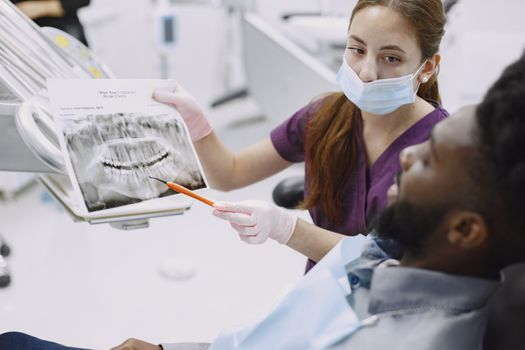
Female dentist explaining dental x-ray to a male patient in a modern clinic. Photo: Gustavo Fring / Pexels
The power of preventive health screenings lies fundamentally in their capacity for early detection. Many formidable diseases, from various forms of cancer to cardiovascular conditions and diabetes, often begin their insidious progression without presenting any noticeable symptoms. This silent phase can extend for months or even years, during which the disease can become more entrenched and challenging to treat. Preventive screenings act as an invaluable early warning system, identifying these conditions at their nascent stages, sometimes even before they fully manifest as a disease. For instance, a routine mammogram can detect breast cancer when tumors are minuscule and confined, significantly increasing the likelihood of successful treatment and full recovery. Similarly, colonoscopies can identify and remove precancerous polyps, effectively preventing colon cancer from ever developing. Blood tests can reveal elevated glucose levels, signaling prediabetes, which, if addressed early through lifestyle modifications, can prevent the onset of full-blown type 2 diabetes. The medical community widely acknowledges that early detection is not merely advantageous; it is often the single most critical factor in determining the outcome of many life-threatening illnesses. When a condition is caught early, treatment options are typically less invasive, less costly, and far more effective. This translates to shorter recovery times, fewer side effects, and a vastly improved quality of life for the patient. Beyond individual diseases, early detection through screenings also contributes to a broader public health benefit. By catching infectious diseases early, for example, transmission rates can be reduced, protecting the wider community. The psychological relief of knowing one is healthy, or of catching a potential problem before it escalates, cannot be overstated. It empowers individuals with knowledge, enabling them to take proactive steps rather than reacting to a crisis. This proactive approach fosters a sense of control over one's health journey, reducing anxiety and promoting overall well-being. Think of it as preventative maintenance for your body – just as you wouldn't wait for your car's engine to seize before checking its oil, you shouldn't wait for severe symptoms to appear before assessing your body's vital functions. The investment in these screenings is an investment in your future health, offering peace of mind and the best possible chance at a long, healthy life. Understanding common health risks is the first step toward proactive health management.

Enhancing Quality of Life and Longevity

Elderly male doctor in white uniform with a digital thermometer and gloves against yellow background. Photo: Gustavo Fring / Pexels
Beyond the immediate benefits of early detection, preventive health screenings play a pivotal role in enhancing the overall quality of life and significantly contributing to increased longevity. When diseases are identified and managed proactively, individuals are spared the debilitating effects that advanced conditions often bring. For example, uncontrolled high blood pressure, often symptomless in its early stages, can lead to severe complications such as heart attack, stroke, and kidney failure. Regular blood pressure checks, a simple and quick screening, can detect hypertension early, allowing for interventions like medication and lifestyle changes that prevent these catastrophic events. This not only saves lives but preserves cognitive function, mobility, and independence. Similarly, bone density screenings (DEXA scans) can identify osteoporosis before a painful and life-altering fracture occurs. Early diagnosis allows for treatments that strengthen bones, maintain mobility, and prevent the cascade of health issues often associated with severe bone loss in older adults. The focus here shifts from merely extending life to ensuring that the extended years are lived with vitality, comfort, and minimal impairment. Chronic pain, restricted movement, and dependence on others are all potential consequences of unmanaged conditions that can be mitigated or avoided entirely through timely screenings and subsequent management. Furthermore, the very act of engaging in preventive care encourages a healthier lifestyle. When individuals regularly visit their doctor for screenings, they are more likely to receive counseling on nutrition, exercise, and stress management. This ongoing dialogue with healthcare professionals empowers them to make informed choices that positively impact their daily habits. A person who understands their cholesterol levels are trending high might be motivated to adopt a heart-healthy diet and exercise routine, thereby preventing the need for medication later on. This holistic approach to health not only wards off specific diseases but builds a foundation for robust well-being. The psychological benefits are equally profound. Knowing that you are actively monitoring your health provides a sense of security and reduces health-related anxiety. It allows individuals to plan for their future with greater confidence, pursuing personal and professional goals without the constant worry of an undiagnosed health crisis. This proactive engagement fosters resilience and a greater appreciation for one’s health. Ultimately, preventive screenings are not just about avoiding illness; they are about actively cultivating a life of greater health, energy, and freedom from preventable suffering, ensuring that your later years are as fulfilling and independent as possible. This commitment to sustained well-being through proactive measures is a hallmark of a truly health-conscious society.

Financial Savings and Reduced Healthcare Burden

A gloved hand holds a stack of hundred-dollar bills against a plain background. Photo: Sora Shimazaki / Pexels
While the initial thought of undergoing various medical tests might conjure images of expenses, the long-term financial benefits of preventive health screenings are substantial and often overlooked. Investing in regular check-ups and screenings can lead to significant savings by preventing costly medical emergencies and treatments for advanced diseases. Consider the economic impact of a preventable chronic condition. Treating late-stage cancer, managing advanced heart disease requiring bypass surgery, or coping with the lifelong complications of uncontrolled diabetes can incur astronomical medical bills, often reaching tens of thousands or even hundreds of thousands of dollars. These costs include hospital stays, specialized surgeries, expensive medications, rehabilitation, and long-term care. In contrast, the cost of a routine screening, such as a mammogram, colonoscopy, or blood panel, is comparatively modest. Many of these preventive services are even covered entirely by insurance plans under the Affordable Care Act (ACA) in the US, recognizing their value in reducing overall healthcare expenditures. For example, detecting high blood pressure early through a simple screening can lead to lifestyle changes or inexpensive generic medications that prevent a stroke or heart attack, saving an individual from potentially crippling medical bills and loss of income due to disability. Similarly, identifying prediabetes through a blood test and making timely dietary adjustments can prevent the progression to type 2 diabetes, avoiding the lifelong costs associated with insulin, diabetes medications, and treatment for complications like neuropathy or kidney disease. Beyond individual financial relief, widespread adoption of preventive screenings contributes to a reduction in the overall healthcare burden on society. A healthier population means fewer hospitalizations, fewer emergency room visits, and a more efficient allocation of healthcare resources. This benefits everyone, as it can lead to lower insurance premiums and a more sustainable healthcare system. The economic argument for preventive care is compelling. It shifts the paradigm from reactive, crisis-driven healthcare to proactive, wellness-focused care, where smaller, more frequent investments in screenings yield massive returns in terms of avoided costs and improved health outcomes. It’s a classic case of an ounce of prevention being worth a pound of cure, both for personal finances and the national healthcare economy. Explore insurance coverage for preventive care to maximize your benefits.

Navigating Preventive Screenings: Tips and Common Mistakes

A female doctor consulting a patient in a modern medical office setting. Photo: cottonbro studio / Pexels
Successfully integrating preventive health screenings into your life requires a proactive approach and an understanding of common pitfalls. Here are some essential tips and mistakes to avoid: **Tips for Effective Preventive Screenings:** * **Know Your Family History:** This is a critical piece of information for your doctor. Be aware of any chronic diseases, cancers, or genetic conditions that run in your family, as this can influence your recommended screening schedule. * **Maintain Open Communication with Your Doctor:** Don't hesitate to ask questions about recommended tests, their purpose, and what the results mean. Your doctor is your primary partner in health. * **Keep Records:** Maintain a personal health record of your screenings, results, and vaccination history. This can be invaluable, especially if you change doctors or need to provide medical history quickly. * **Understand Your Insurance Coverage:** Familiarize yourself with what preventive services your health insurance plan covers. Many plans cover routine screenings at no cost, which removes a common barrier. * **Prioritize and Schedule:** Treat your preventive appointments like any other important commitment. Schedule them in advance and stick to them, even if you feel perfectly healthy. **Common Mistakes to Avoid:** * **Ignoring Symptoms:** While screenings are for asymptomatic conditions, never ignore new or worsening symptoms, assuming they will be caught in your next screening. Always consult your doctor promptly. * **Skipping Screenings Due to Fear:** Fear of diagnosis or the procedure itself can be a significant deterrent. Remember that early detection vastly improves outcomes. Discuss your anxieties with your doctor. * **Relying on Outdated Information:** Medical guidelines for screenings evolve. Ensure you are following current recommendations based on your age, gender, and risk factors, not advice from years ago. * **Assuming 'No Symptoms' Means 'No Risk':** Many serious conditions develop silently. Feeling well is wonderful, but it doesn't negate the need for recommended preventive checks. * **Self-Diagnosing or Self-Treating:** While being informed is good, interpreting your own symptoms or test results, or attempting to treat conditions based on internet searches, can be dangerous. Always consult a qualified healthcare professional. By following these tips and avoiding common mistakes, you can maximize the benefits of preventive health screenings and take control of your long-term health.

Comparison

FeaturePreventive ScreeningReactive TreatmentAlternative Medicine (Unscreened)
Detection StageEarly, asymptomaticLate, symptomaticOften late, based on symptoms
Cost EffectivenessHigh (lower long-term cost)Low (high long-term cost)Variable, often not covered
Treatment ComplexityOften simpler, less invasiveOften complex, invasiveUnpredictable, potentially ineffective
Health OutcomesSignificantly improvedCompromised, uncertainPoor, higher risk of progression
Insurance Coverage✓ (Often 100%)✗ (Deductibles, co-pays apply)✗ (Rarely covered)
Impact on LongevityPositiveNegative (reduced life expectancy)Negative (reduced life expectancy)

What Readers Say

"My annual physical and mammogram caught a very small tumor that I never would have felt. The early detection through preventive health screenings meant I only needed minor surgery, and I'm now cancer-free. I'm so grateful I didn't put it off!"

Sarah J. · Austin, TX

"I thought I was healthy, but my cholesterol screening during a routine check-up showed alarming numbers. My doctor helped me make lifestyle changes, and now my heart health is back on track. These screenings truly are life-saving."

Michael D. · Chicago, IL

"My father passed away from colon cancer. Because of that family history, I started colonoscopies early. They found and removed polyps before they became cancerous, a direct result of these preventive health screenings. It's a game-changer for my peace of mind."

Emily R. · Denver, CO

"I used to dread going to the doctor when I felt fine, but after my doctor explained the benefits of preventive health screenings, I've been more diligent. While it's an annual inconvenience, knowing I'm staying ahead of potential issues is worth it."

David W. · Miami, FL

"As a busy professional, I often neglected my health. But after a friend's health scare, I prioritized my preventive health screenings. It's empowering to have a clear picture of my health and actively work to maintain it. Highly recommend it to everyone."

Jessica L. · Seattle, WA

Frequently Asked Questions

What are the most common benefits of preventive health screenings?

The most significant benefits include early detection of diseases before symptoms appear, which leads to more effective and less invasive treatment options. They also contribute to a higher quality of life, increased longevity, and substantial long-term financial savings by preventing costly emergency care and advanced disease management. These screenings empower individuals to take proactive control of their health.

Are preventive screenings really necessary if I feel perfectly healthy?

Yes, absolutely. Many serious and life-threatening conditions, such as certain cancers, high blood pressure, and high cholesterol, often develop silently without any noticeable symptoms in their early stages. Preventive screenings are specifically designed to detect these 'silent killers' before they manifest, allowing for timely intervention when treatment is most effective and outcomes are best. Feeling healthy is great, but it doesn't negate underlying risks.

How often should I get preventive health screenings?

The frequency of preventive health screenings varies greatly depending on your age, gender, family medical history, lifestyle, and existing health conditions. It's crucial to have an annual discussion with your primary care physician. They will assess your individual risk factors and provide a personalized screening schedule tailored to your specific needs and current medical guidelines, ensuring you receive the appropriate tests at the right times.

Are preventive health screenings expensive, and will my insurance cover them?

Under the Affordable Care Act (ACA) in the United States, most preventive health services, including many recommended screenings, are covered by insurance plans at no out-of-pocket cost to you (no co-pay or deductible). This makes them highly accessible and cost-effective. While there might be exceptions depending on your specific plan, the vast majority of essential screenings are covered, recognizing their value in preventing more expensive future health issues.

How do preventive screenings compare to simply waiting for symptoms to appear?

Preventive screenings are a proactive approach, aiming to catch potential health issues at their earliest, most treatable stages, often before any symptoms develop. Waiting for symptoms, conversely, is a reactive approach. By the time symptoms appear, a disease may have progressed to a more advanced stage, requiring more aggressive, invasive, and costly treatments with potentially poorer outcomes. Screenings offer a significant advantage in terms of prognosis and quality of life.

Who should prioritize benefits of preventive health screenings?

Everyone should prioritize preventive health screenings, but they become increasingly critical as you age, or if you have a family history of certain diseases (like cancer or heart disease), or if you have specific lifestyle risk factors (e.g., smoking, obesity, sedentary lifestyle). Specific screenings are recommended for different age groups and genders, making a personalized discussion with your doctor essential for all adults.

Are there any risks associated with preventive health screenings?

While most preventive health screenings are very safe, like any medical procedure, there can be minimal risks. For example, some screenings involve radiation exposure (like mammograms, though minimal), or discomfort (like a colonoscopy prep). There's also a small chance of false positives or false negatives. However, your doctor can discuss the specific risks and benefits of each recommended screening, and for the vast majority, the benefits of early detection far outweigh the minimal risks involved.

What is the future trend for preventive health screenings?

The future of preventive health screenings is moving towards even greater personalization, leveraging advancements in genetics, artificial intelligence, and wearable technology. We can expect more precise risk assessments, tailored screening recommendations based on individual genetic profiles, and continuous health monitoring through smart devices. The goal is to make screenings even more targeted, less invasive, and more integrated into daily life, further enhancing early detection and personalized health management.

Don't wait for symptoms to dictate your health journey. Embrace the profound benefits of preventive health screenings today. Schedule a consultation with your doctor to create a personalized plan and take the crucial step towards a longer, healthier, and more vibrant life.

Topics: benefits of preventive health screeningsearly disease detectionhealth and wellnesspreventive medicinehealth check-ups
Leo List

IE Escorts NO Escorts US Escorts NZ Escorts AU Escorts
Brampton weed
Adultwork EstrelaBet Vai de Bet R7 Bet Betão Galera Bet Rainbet Bet9ja Shop SportyBet BetKing Sisal Loto Foot Hollywoodbets YesPlay Odibets RushBet Jugabet BetWarrior BetCity MSport betPawa Fortebet