
Avoid These Dispensary Shopping Mistakes
dispensary shopping mistakes

Avoid These Dispensary Shopping Mistakes

Navigate the medical cannabis landscape like a pro and ensure every purchase aligns with your therapeutic goals.

Shop Smarter Now

Key Takeaways

  • ✓ Not understanding product types (Flower, Edibles, Tinctures, Concentrates) is a common pitfall.
  • ✓ Failing to verify product lab results can lead to unsafe or ineffective purchases.
  • ✓ Ignoring budtender recommendations or not asking enough questions can result in suboptimal choices.
  • ✓ Overspending due to impulse buys or not comparing prices is a frequent mistake.

How It Works

1
Educate Yourself Pre-Visit

Research different cannabis strains, product forms, and their potential effects to have a basic understanding before you walk in. Knowing your preferences helps guide your conversation with staff.

2
Prepare Your Questions

Jot down specific questions about your medical condition, desired effects, or product types you're curious about. A prepared list ensures you get all the information you need.

3
Consult with Budtenders

Clearly communicate your medical needs, desired outcomes, and any concerns to the budtender. Their expertise is invaluable in matching you with appropriate products.

4
Verify Product Information

Always ask to see lab results (Certificate of Analysis - CoA) for THC/CBD content, terpenes, and purity. This ensures you're getting a safe and accurately labeled product.

Overlooking Pre-Visit Preparation: Your First Major Misstep
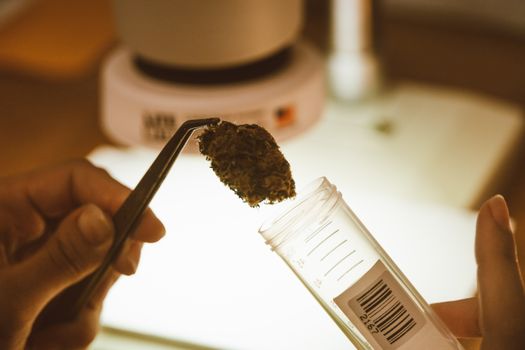
Detailed view of cannabis being prepared in a lab, focusing on analysis. Photo: Jess Loiterton / Pexels
One of the most significant dispensary shopping mistakes patients make is walking in without any prior research or understanding of their own needs. The medical cannabis landscape is vast and can be overwhelming, filled with a dizzying array of strains, product types, consumption methods, and terminology. Without a baseline understanding, you're essentially navigating a complex pharmacy blindfolded. Before you even step foot in a dispensary, take the time to educate yourself. Understand the difference between indica, sativa, and hybrid strains, and how their varying terpene profiles and cannabinoid ratios might affect your body. Learn about the various forms cannabis comes in – flower, concentrates, edibles, tinctures, topicals – and consider which consumption method aligns best with your medical condition and lifestyle. For instance, if you suffer from chronic pain and require long-lasting relief, an edible might be more suitable than a quick-acting vape. Conversely, if you need immediate relief from acute anxiety, a vape pen or sublingual tincture might be preferred. Furthermore, it's crucial to have a clear understanding of your own medical goals. Are you seeking relief from pain, anxiety, insomnia, nausea, or something else entirely? The more specific you can be about your symptoms and desired outcomes, the better a budtender can guide you. Many dispensaries offer online menus, allowing you to browse products, prices, and even read reviews before your visit. This pre-visit reconnaissance is invaluable. It not only saves you time but also empowers you to ask more informed questions and make more confident decisions. Failing to do this preparation can lead to impulse buys, purchasing products that don't meet your needs, or even experiencing unwanted side effects because you chose an unsuitable product. Think of it as preparing for a doctor's appointment – you wouldn't go in without knowing your symptoms. The same principle applies here. Being proactive about your education is the foundation of a successful and therapeutic medical cannabis journey. Remember, an informed patient is an empowered patient, and taking the time to learn beforehand can significantly enhance your experience and the efficacy of your treatment. Don't underestimate the power of knowledge in navigating medical treatment options.

Ignoring Lab Results and Product Quality: A Health Hazard

Another critical error that patients frequently commit is neglecting to scrutinize the lab results, also known as the Certificate of Analysis (CoA), for the products they intend to purchase. In the rapidly evolving medical cannabis industry, product quality and safety are paramount, yet not all products are created equal. Trusting that every product on the shelf is rigorously tested is a dangerous assumption. Lab results provide invaluable information about the cannabinoid profile (THC, CBD, CBN, etc.), terpene content, and, crucially, the absence of contaminants like pesticides, heavy metals, molds, and residual solvents. Purchasing products without verified lab results puts your health at risk. Contaminated cannabis can exacerbate existing medical conditions, cause new health problems, and negate any potential therapeutic benefits. For example, inhaling mold spores from contaminated flower can be particularly dangerous for individuals with compromised immune systems or respiratory issues. Similarly, consuming edibles or concentrates with residual pesticides can lead to long-term health concerns. A reputable dispensary will always have CoAs readily available, either printed, displayed on product packaging via QR codes, or accessible through their online menu. Don't be afraid to ask your budtender to see these results. They should be able to explain what the numbers mean and assure you of the product's safety and potency. If a dispensary is hesitant to provide lab results or cannot clearly explain them, consider it a significant red flag and take your business elsewhere. Understanding the cannabinoid and terpene profiles is equally important for therapeutic efficacy. The percentages of THC and CBD directly impact the product's potency and effects. High THC products might be great for severe pain but could be overwhelming for new users or those prone to anxiety. Terpenes, often overlooked, play a crucial role in the 'entourage effect,' influencing how cannabinoids interact with your body and contributing to a strain's unique aroma, flavor, and therapeutic properties. Knowing these details allows you to select products tailored to your specific medical needs and desired outcomes, ensuring you're getting the most effective and safest medicine possible. Prioritizing product quality and safety by reviewing lab results is not just a recommendation; it's a fundamental aspect of responsible medical cannabis consumption.

You may also find recreational dispensary San Francisco useful.

Failing to Communicate Effectively with Budtenders: Missed Opportunities

Many medical cannabis patients make the mistake of not fully leveraging the expertise of their budtenders, or worse, failing to communicate their needs clearly. Budtenders are often highly knowledgeable individuals who can act as crucial guides in your medical cannabis journey. They are trained to understand different product types, strains, consumption methods, and how they might interact with various conditions. However, their ability to help you is directly proportional to the information you provide. A common mistake is being vague about your symptoms or desired effects. Phrases like 'I just want something for pain' are too broad. Instead, be specific: 'I have chronic neuropathic pain in my lower back, and I'm looking for something that provides long-lasting relief without making me too drowsy during the day.' Or, 'I struggle with falling asleep due to anxiety, and I'm looking for an evening product that promotes relaxation without a strong psychoactive high.' The more detailed you are, the better they can tailor their recommendations. Another pitfall is being intimidated or embarrassed to ask questions. There's no such thing as a 'stupid question' when it comes to your health. Ask about dosage, onset times, duration of effects, potential side effects, and recommended consumption methods. Inquire about the differences between similar products or why a particular strain might be better suited for your condition than another. Don't assume you should know everything; the industry is constantly evolving, and even experienced users benefit from budtender insights. Conversely, some patients might dismiss budtender advice entirely, relying solely on internet research or anecdotal evidence. While personal research is important, budtenders often have hands-on experience and feedback from countless patients, offering a practical perspective you might not find online. Furthermore, it's essential to communicate any past experiences, good or bad, with cannabis. If a specific strain made you anxious, or an edible was too potent, share that information. This helps the budtender steer you away from similar products and towards more suitable alternatives. Building a rapport with your budtender can lead to a more personalized and effective experience over time. They can learn your preferences, track what works for you, and even alert you to new products that align with your needs. Effective communication transforms a transactional visit into a therapeutic consultation, ensuring you make informed choices that genuinely support your well-being. This proactive approach to communication is key to optimizing your medical treatment.

Common Financial and Dosage Missteps: Wasting Money and Potency

Beyond product selection and safety, many medical cannabis patients fall into financial and dosage-related traps that can significantly impact their therapeutic journey and wallet. One prevalent mistake is overspending due to impulse purchases or not comparing prices. Dispensaries, like any retail environment, can be designed to encourage larger purchases. Without a clear budget or a specific shopping list, it's easy to get swayed by attractive packaging, limited-time offers, or the sheer variety of products. Always compare prices across different dispensaries if possible, and check for daily deals, loyalty programs, or discounts for medical patients. Buying in larger quantities can sometimes offer a better per-unit price, but only if you're sure you'll use the product before its potency degrades or it expires. Don't buy a large amount of an untested product; start small. Another significant misstep is improper dosage. Many new patients, and even some experienced ones, struggle with finding their optimal dose. Starting with too high a dose can lead to uncomfortable side effects, anxiety, or an overwhelming experience, which might deter them from future use. Conversely, taking too little might not provide the desired therapeutic effect, leading to frustration and the belief that cannabis isn't working for them. The mantra 'start low and go slow' is crucial, especially with edibles, where onset can take 60-90 minutes. Begin with the lowest recommended dose (e.g., 2.5-5mg THC for edibles) and wait the full duration before considering a second dose. Keep a journal to track the product type, dosage, time of consumption, and effects. This personalized data is invaluable for fine-tuning your regimen. Ignoring expiration dates or improper storage is also a common mistake that leads to wasted money and diminished efficacy. Cannabis products, especially edibles and tinctures, have expiration dates. Flower and concentrates also degrade over time if not stored correctly, losing potency and terpenes. Store products in airtight, opaque containers in a cool, dark place, away from direct sunlight and humidity. Refrigeration or freezing might be appropriate for some products; always check the packaging for specific storage instructions. Finally, don't overlook the importance of understanding the 'perceived value' versus 'actual value.' A higher price doesn't always equate to a better product, and a cheaper product might not be a bargain if it's ineffective or unsafe. Focus on products that consistently deliver the desired therapeutic effects for your specific condition, within your budget. Being mindful of these financial and dosage pitfalls will ensure your medical cannabis treatment is both effective and sustainable. **Key Mistakes to Avoid:** * **Impulse Buys:** Stick to your budget and needs. * **Ignoring Dosage Guidelines:** Start low, go slow, and track effects. * **Poor Storage:** Preserve potency and freshness by storing correctly. * **Not Comparing Prices:** Shop around for the best value and deals. * **Dismissing Expiration Dates:** Use products before they lose efficacy or spoil. * **Lack of a Cannabis Journal:** Documenting your experiences is vital for optimization. * **Over-reliance on High THC:** Consider CBD and terpene profiles for a balanced effect.

Comparison

FeatureInformed PatientUnprepared PatientBudget ShopperNew User
Pre-Visit Research✓ Extensive✗ None✓ Some✓ Basic
Lab Results Check✓ Always✗ Rarely✓ Sometimes✗ Unaware
Budtender Interaction✓ Detailed Q&A✗ Minimal✓ Focused Q&A✓ Relies Heavily
Dosage Strategy✓ Start Low, Go Slow✗ Guesswork✓ Cautious✓ Follows Advice
Budget Adherence✓ Strict✗ Impulse Buys✓ Very Strict✗ Can Overspend
Product EfficacyHighLow/VariableModerate/HighVariable
Risk of Side EffectsLowHighModerateModerate/High

What Readers Say

★ ★ ★ ★ ★

"Before reading this, I'd always just picked whatever looked good. Now I ask about lab results and terpenes, and my anxiety relief is so much more consistent. This article truly helped me avoid dispensary shopping mistakes."

Sarah L. · Denver, CO
★ ★ ★ ★ ★

"I used to overspend on high THC products that just made me sleepy. Learning about different cannabinoids and proper dosage from this guide has saved me money and improved my pain management significantly."

Mark D. · Phoenix, AZ
★ ★ ★ ★ ★

"The advice on talking to budtenders was a game-changer. I used to be shy, but now I confidently ask questions and get products that actually address my insomnia. My sleep has never been better thanks to avoiding these dispensary shopping mistakes."

Jessica R. · Ann Arbor, MI
★ ★ ★ ★ ★

"Good read, especially the part about checking lab results. I wish they had emphasized more on how to interpret complex terpene profiles for specific conditions, but it's a solid foundation for avoiding dispensary shopping mistakes."

Tom W. · Portland, OR
★ ★ ★ ★ ★

"As a new medical patient, the information on starting low and going slow with edibles was invaluable. I avoided an unpleasant experience and found my perfect dose for chronic pain relief much faster than I expected."

Maria C. · Las Vegas, NV

Frequently Asked Questions

What are the most common dispensary shopping mistakes new patients make?

New patients often fail to research strains or product types beforehand, don't ask enough questions to budtenders, and neglect to check lab results for potency and purity. They might also start with too high a dose or overspend due to lack of budget planning, leading to suboptimal experiences.

How can I ensure the cannabis products I buy are safe and free from contaminants?

Always request and review the Certificate of Analysis (CoA) for any product you purchase. This document details cannabinoid and terpene profiles, and most importantly, verifies that the product has been tested for pesticides, heavy metals, mold, and residual solvents. Reputable dispensaries make these readily available.

What's the best way to communicate my medical needs to a budtender?

Be specific about your symptoms, desired effects, and any past experiences with cannabis (good or bad). For example, instead of 'pain relief,' say 'chronic back pain, looking for long-lasting relief without drowsiness.' Don't be afraid to ask detailed questions about dosage, onset, and potential side effects.

Is it always better to buy the most expensive cannabis products?

Not necessarily. Price doesn't always equate to quality or efficacy for your specific condition. Focus on products with verified lab results, appropriate cannabinoid/terpene profiles for your needs, and positive patient feedback, rather than just the price tag. Sometimes a mid-range product can be more effective for you.

How do I know if I'm taking the correct dosage of medical cannabis?

The golden rule is 'start low and go slow.' Begin with the lowest recommended dose and wait the full onset time before considering more. Keep a cannabis journal to track product, dose, time, and effects. Adjust gradually based on your body's response until you find the minimum effective dose that provides relief without unwanted side effects.

Who should read this guide on avoiding dispensary shopping mistakes?

This guide is essential for new medical cannabis patients, experienced users looking to optimize their treatment, and anyone who wants to make more informed, safe, and cost-effective purchases at a dispensary. It's designed for individuals seeking to maximize the therapeutic benefits of cannabis.

Are there risks associated with not avoiding these common dispensary mistakes?

Yes, significant risks include purchasing contaminated or unsafe products that could harm your health, ineffective treatment due to unsuitable product choices or incorrect dosing, wasting money on products that don't work, and experiencing unpleasant side effects that could deter you from beneficial medical cannabis use.

What future trends should I be aware of in dispensary shopping?

Future trends include increased personalization through AI-driven recommendations, more transparency with blockchain-verified product tracking, a wider array of minor cannabinoid (CBG, CBN, THCV) products, and potentially more integrated health consultations. Staying informed will help you adapt to these evolving options.

By understanding and actively avoiding these common dispensary shopping mistakes, you empower yourself to make informed decisions that directly contribute to your health and well-being. Take control of your medical cannabis journey and ensure every purchase is a step towards better health. Start shopping smarter today!

Topics: dispensary shopping mistakesmedical cannabis tipscannabis product selectiondispensary etiquettecannabis dosage guide
Toplash
Leo List

Skihires
Adultwork EstrelaBet Vai de Bet R7 Bet Betão Galera Bet Rainbet Bet9ja Shop SportyBet BetKing Sisal Loto Foot Hollywoodbets YesPlay Odibets RushBet Jugabet BetWarrior BetCity MSport betPawa Fortebet