
Unlock Your Smile: Affordable Dental Care Options in the US
affordable dental care options

Unlock Your Smile: Affordable Dental Care Options in the US

Access quality dental services and maintain a healthy, confident smile without financial strain. Your guide to budget-friendly oral health.

Find Your Solution

Key Takeaways

  • ✓ Over 75 million Americans lack dental insurance, making affordable care a critical need.
  • ✓ Community health centers and dental schools offer significantly reduced costs for services.
  • ✓ Dental discount plans can save members 10-60% on procedures, often for a low annual fee.
  • ✓ Preventive care is the most cost-effective dental strategy, saving money on future complex treatments.

How It Works

1
Assess Your Needs & Budget

Determine the type of dental care you require (routine, emergency, specialized) and honestly evaluate your financial capacity. This initial assessment will guide your search for suitable options.

2
Explore Available Resources

Investigate various avenues like community clinics, dental schools, government programs, and discount plans. Each offers unique benefits and eligibility criteria, so thorough research is key.

3
Compare & Verify Services

Once you identify potential options, compare their services, costs, and patient reviews. Always verify credentials and ensure the quality of care aligns with your expectations and needs.

4
Schedule & Maintain Care

Book your appointment and commit to regular check-ups and cleanings. Consistent preventive care is the best long-term strategy for maintaining oral health and avoiding costly future treatments.

Understanding the Landscape of Affordable Dental Care
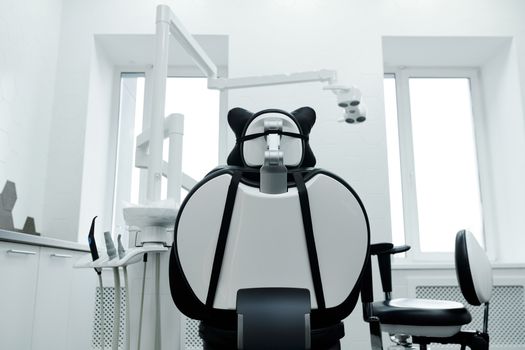
Stylish and modern dentist office with dental chair and equipment in a well-lit setting. Photo: Cedric Fauntleroy / Pexels
The quest for affordable dental care options in the United States is a significant challenge for millions of individuals and families. Unlike medical insurance, dental coverage is often a separate, often expensive, add-on, leaving a substantial portion of the population without adequate access to necessary oral health services. The Centers for Disease Control and Prevention (CDC) highlights that oral health is intrinsically linked to overall systemic health, making the lack of affordable care a public health crisis. Many people delay or forego essential dental treatments due to cost concerns, leading to more severe and expensive problems down the line, such as advanced gum disease, extensive cavities, and even tooth loss. This section aims to demystify the current landscape, shedding light on why dental care can be so expensive and what foundational principles underpin the various affordable solutions available. One of the primary drivers of high dental costs is the fee-for-service model prevalent in private practices. Dentists, like other medical professionals, incur significant overheads, including state-of-the-art equipment, highly trained staff, facility maintenance, and malpractice insurance. These costs are then passed on to patients. Furthermore, the specialized nature of dental procedures, from root canals to orthodontics, requires extensive training and precision, contributing to higher fees. The lack of robust government subsidies for general dental care, compared to medical care, also plays a role in the financial burden on consumers. For instance, Medicare, the federal health insurance program for seniors and certain younger people with disabilities, generally does not cover routine dental care, cleanings, fillings, extractions, or dentures. This gap leaves a vulnerable population particularly exposed to high out-of-pocket costs. However, it's crucial to understand that 'affordable' does not equate to 'substandard.' Many initiatives and programs are specifically designed to provide high-quality dental care at reduced rates. These options often leverage different funding models, volunteer efforts, or educational settings to bring down the cost without compromising on patient safety or treatment efficacy. The key for consumers is to be informed and proactive in seeking out these alternatives. It requires a willingness to research, compare, and sometimes navigate different administrative processes than those found in traditional private practices. Understanding your current oral health status is the first step in determining what level of care you need and which affordable option will best suit those needs. Moreover, the concept of affordable dental care extends beyond just the initial cost of a procedure. It encompasses the long-term financial implications of maintaining good oral hygiene. Regular preventive care, such as routine cleanings and check-ups, is consistently the most affordable approach to dental health. By catching issues early, patients can avoid the need for more complex, invasive, and costly treatments like crowns, bridges, or implants. Education on proper brushing, flossing, and dietary habits also falls under the umbrella of affordable care, as these practices can significantly reduce the incidence of dental problems. The goal is to shift from reactive treatment of problems to proactive prevention, thereby making dental care more financially manageable over a lifetime. This foundational understanding sets the stage for exploring the specific avenues available to make dental care more accessible and budget-friendly for everyone in the US.

Government Programs and Community Initiatives

Doctors talking with patients during a medical appointment in a clinic office setting. Photo: Pavel Danilyuk / Pexels
For those seeking genuinely affordable dental care options, government-funded programs and community-based initiatives represent a vital lifeline. These resources are designed to serve populations with limited income, specific health conditions, or those living in underserved areas. Understanding the eligibility requirements and scope of services for each can significantly alleviate the financial strain of dental treatment. One of the most prominent government programs is Medicaid, which provides health coverage to millions of low-income Americans. While the extent of dental benefits varies by state, most states offer comprehensive dental services for children under the Children’s Health Insurance Program (CHIP) or Medicaid. For adults, dental coverage under Medicaid is more varied; some states offer extensive benefits, while others provide only emergency dental services or limited routine care. It is imperative to check your specific state's Medicaid program details to understand what is covered. Another critical component of the safety net is the network of Federally Qualified Health Centers (FQHCs). These community health centers receive federal funding to provide primary healthcare services, including dental care, to underserved populations, regardless of their ability to pay. FQHCs operate on a sliding fee scale, meaning the cost of services is adjusted based on a patient's income and family size. This model ensures that even individuals with very low incomes can access necessary dental treatments, from routine cleanings and fillings to extractions and emergency care. They are often located in rural or economically disadvantaged urban areas and serve as a cornerstone of affordable healthcare access. Finding an FQHC near you can be done through the Health Resources and Services Administration (HRSA) website, a valuable resource for locating these essential clinics. Dental schools and hygiene programs also offer a unique and highly affordable pathway to quality dental care. These institutions provide a supervised clinical environment where dental students and hygiene students gain hands-on experience under the direct supervision of licensed and experienced faculty dentists. Because the procedures are part of an educational process, the costs are significantly reduced, often by 30-50% or more compared to private practices. While appointments might take longer due to the instructional nature of the care, the quality is typically excellent, as every step is meticulously reviewed by an expert. Services can range from basic cleanings and fillings to more complex procedures like root canals, crowns, and even specialized treatments like orthodontics or periodontics. This option is particularly beneficial for those who have flexibility with their time and are looking for comprehensive care at a fraction of the cost. Beyond these structured programs, many non-profit organizations and charitable foundations also offer free or low-cost dental clinics. These clinics often rely on volunteer dentists, hygienists, and support staff, and may operate on specific days or offer services for particular populations (e.g., veterans, homeless individuals). Organizations like the National Association of Free and Charitable Clinics (NAFC) can help individuals locate such services. Additionally, some dentists participate in programs like Donated Dental Services (DDS), which provides comprehensive dental treatment to vulnerable individuals who cannot afford care and have a permanent disability, are elderly, or are medically fragile. Each of these avenues represents a concerted effort to bridge the gap in dental access, making quality care a reality for those who need it most but can afford it least.

Private Solutions: Dental Discount Plans and Insurance Alternatives
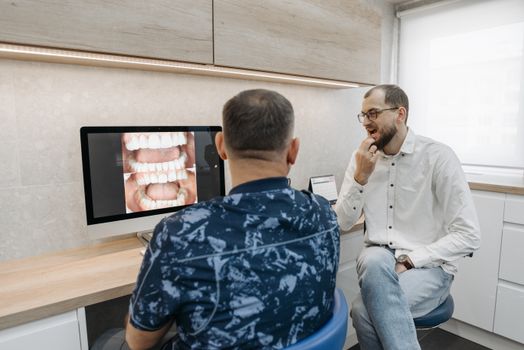
Dentist discussing dental x-ray results with patient in modern office setting. Photo: Pavel Danilyuk / Pexels
While government and community programs offer crucial support, not everyone qualifies for them, or they might not cover the full spectrum of desired services. This is where private solutions, particularly dental discount plans and alternative insurance models, become invaluable affordable dental care options. Unlike traditional dental insurance, which typically involves deductibles, annual maximums, waiting periods, and co-pays, dental discount plans operate on a different principle. For a relatively low annual membership fee, members gain access to a network of participating dentists who have agreed to provide services at a significantly reduced rate. These discounts can range from 10% to 60% off standard fees, depending on the procedure and the plan. The primary advantage of discount plans is their simplicity and immediate usability: there are usually no waiting periods, no deductibles, no annual maximums, and no claim forms to fill out. You pay the dentist directly at the discounted rate at the time of service. When considering a dental discount plan, it's essential to research the specific plan's network of dentists in your area and ensure they offer the services you anticipate needing. Some plans might be stronger in certain regions or specialize in discounts for particular procedures. The annual fee for these plans is generally affordable, often ranging from $80 to $200 for individuals and slightly more for families. This makes them an attractive alternative for individuals who don't have access to employer-sponsored dental insurance or find traditional insurance premiums too high. They are particularly beneficial for those who need immediate care or have specific, upcoming procedures, as the savings can quickly outweigh the membership fee. Evaluating your potential dental needs is crucial before committing to a plan. Another private alternative gaining traction is direct primary care (DPC) for dentistry, often referred to as direct dental care. In this model, patients pay a monthly or annual membership fee directly to a specific dental practice. In return, they receive a package of services, which typically includes routine cleanings, exams, and x-rays, and often discounted rates for other procedures. This model fosters a more direct relationship between patient and dentist, removing the complexities and administrative burdens of insurance companies. While not as widespread as discount plans, direct dental care offers predictability in costs and can be a great option for individuals who prefer a long-term relationship with a specific dentist and want to budget their preventive care expenses. Furthermore, for specific, larger procedures, some dental practices offer in-house payment plans or financing options through third-party providers like CareCredit. These options allow patients to break down the cost of expensive treatments into manageable monthly payments, often with low or no interest for a promotional period. While this doesn't reduce the overall cost of the procedure, it makes it more accessible by distributing the financial burden over time. It's important to read the terms and conditions carefully for any financing option to avoid unexpected interest charges. By combining these private solutions – discount plans for immediate savings, direct dental care for predictable preventive costs, and financing for major treatments – individuals can construct a robust strategy for accessing affordable dental care outside the traditional insurance framework.

Smart Strategies for Reducing Your Dental Bills

Woman shopping at a vibrant local market stall filled with fresh fruits and vegetables. Photo: WRITE ONDANDELIONS / Pexels
Beyond specific programs and plans, adopting smart strategies can significantly reduce your dental bills and make affordable dental care options more accessible. These strategies focus on proactive management, informed decision-making, and leveraging resources effectively. One of the most impactful strategies is prioritizing preventive care. Regular dental check-ups and cleanings, typically twice a year, are the cornerstone of good oral health and the most cost-effective approach. By detecting and addressing minor issues like small cavities or early gum inflammation, you can prevent them from escalating into more complex, painful, and expensive problems like root canals, extractions, or periodontal surgery. Think of preventive care as an investment that pays dividends in both health and financial savings. Many affordable options, including FQHCs, dental schools, and discount plans, offer substantial savings on these routine services. Another crucial strategy is to shop around and get multiple opinions, especially for major procedures. Just as you would for a car repair or a home renovation, don't hesitate to consult with a few different dentists or clinics for quotes on treatments like crowns, bridges, or orthodontics. Prices for the same procedure can vary significantly between practices, even within the same geographic area. Be transparent about your budget and ask about all available options, including less expensive alternatives that might achieve similar health outcomes. When getting quotes, ensure they are comprehensive and include all associated fees, such as X-rays, anesthesia, and follow-up visits, to avoid hidden costs. Consider dental tourism for extensive and expensive procedures. While not suitable for everyone, some individuals choose to travel to other countries where dental care costs are substantially lower, particularly for treatments like implants, veneers, or full mouth restorations. Countries like Mexico, Costa Rica, and Hungary are known for high-quality dental care at a fraction of US prices. This option requires thorough research into the credentials of the dentists, the quality of the clinics, and the logistics of travel and follow-up care. It's a more radical approach but can offer immense savings for specific situations. Finally, don't underestimate the power of negotiation and asking about payment plans directly with your dentist. Many private practices are willing to work with patients on payment schedules, especially for loyal clients or those facing financial hardship. They might offer in-house payment plans, accept CareCredit, or provide a discount for paying in cash upfront. It never hurts to ask, and a frank discussion about your financial situation can often lead to a mutually agreeable solution. By combining these proactive strategies with the various affordable care options discussed, you can significantly reduce your dental expenditures and maintain a healthy, confident smile without undue financial stress. **Key Strategies for Savings:** * **Prioritize Prevention:** Regular cleanings and check-ups prevent costly future problems. * **Shop Around:** Get multiple quotes for major procedures. * **Inquire About Payment Plans:** Many dentists offer in-house financing or accept third-party options. * **Consider Dental Tourism:** For very expensive procedures, look into international options. * **Utilize Discount Programs:** Leverage dental discount plans for immediate savings. * **Practice Good Oral Hygiene:** Daily brushing and flossing are the ultimate cost-savers.

Comparison

FeatureDental Discount PlanCommunity Health CenterDental School ClinicTraditional Insurance (PPO)
Annual Cost (Individual)$80-$200Sliding Scale (low to free)Low (e.g., $50-$150 per visit)$300-$700 (premiums)
Waiting PeriodsNoneNoneNoneOften 3-12 months for major care
Annual MaximumsNoneVaries by FQHCNoneCommonly $1,000-$2,000
DeductiblesNoneNoneNoneCommonly $50-$100
Service QualityGood (network dentists)Good (accredited clinics)Excellent (supervised students)Excellent (chosen dentist)
Coverage for Major ProceduresDiscounted ratesCovered via sliding scaleCovered at reduced costOften 50% covered after deductible
Ease of AccessEasy to join, find dentistsMay have waitlistsAppointments can be longerEasy with chosen dentist
Best ForImmediate savings, no waitingLow-income, uninsuredBudget-conscious, complex needsComprehensive coverage, higher cost

What Readers Say

★ ★ ★ ★ ★

"Finding affordable dental care options was a huge relief after losing my job. The community clinic near me offered a sliding scale, making my urgent root canal possible without going into debt. The staff were incredibly kind and professional."

Sarah J. · Austin, TX
★ ★ ★ ★ ★

"I signed up for a dental discount plan, and it's been a game-changer. My last cleaning and a filling were 40% cheaper than the sticker price. No more putting off dental visits because of cost!"

Mark D. · Phoenix, AZ
★ ★ ★ ★ ★

"The local dental school clinic provided my daughter's braces at half the cost of private orthodontists. The process took a bit longer, but the supervision was top-notch, and the result is a beautiful, healthy smile."

Elena R. · Boston, MA
★ ★ ★ ★ ★

"While my FQHC has a bit of a wait for appointments, the quality of care for my routine check-ups and a few fillings has been excellent. It's not always instant, but the affordability makes it worth it for budget-conscious people like me."

David L. · Atlanta, GA
★ ★ ★ ★ ★

"I needed extensive dental work, and my dentist offered an in-house payment plan. It made a seemingly impossible expense manageable and allowed me to get the care I desperately needed without resorting to extreme measures. It's one of the best affordable dental care options I've found."

Jessica M. · Denver, CO

Frequently Asked Questions

What are the most common affordable dental care options for uninsured adults?

For uninsured adults, the most common and effective affordable dental care options include Federally Qualified Health Centers (FQHCs) which offer sliding scale fees, dental schools and hygiene programs providing reduced-cost services, and dental discount plans that offer percentage-based savings at participating dentists. Additionally, some states offer limited adult dental benefits through Medicaid, and local free or charitable clinics may provide episodic care.

Will I sacrifice quality if I choose affordable dental care?

No, choosing affordable dental care options does not automatically mean sacrificing quality. FQHCs are accredited, dental schools are overseen by licensed faculty, and dentists participating in discount plans are regular practitioners. While the cost is lower, the standard of care is generally high. The key is to research and choose reputable providers and programs.

How can I find a dental school or community clinic near me?

You can find dental schools by searching online for 'dental schools near [your city/state]' or through the American Dental Association's website. For community health centers (FQHCs), the Health Resources and Services Administration (HRSA) website has a 'Find a Health Center' tool that allows you to search by address or zip code. Local health departments can also provide information.

Is a dental discount plan better than traditional dental insurance?

Whether a dental discount plan is 'better' depends on your individual needs. Discount plans are often better for those needing immediate care, without waiting periods, deductibles, or annual maximums. They typically have lower annual fees. Traditional insurance might be better if you require very extensive care throughout the year and are comfortable with higher premiums, deductibles, and waiting periods, as it often covers a higher percentage of major procedures after you meet your deductible.

What are the eligibility requirements for Medicaid dental benefits?

Eligibility for Medicaid dental benefits is determined by your state's Medicaid program, primarily based on income and family size. Children typically receive comprehensive dental coverage, but adult benefits vary widely by state. You'll need to apply through your state's Medicaid agency to determine your specific eligibility and the scope of dental services covered.

Who should consider dental tourism for affordable dental care?

Dental tourism is typically considered by individuals who require extensive and costly dental procedures (e.g., multiple implants, full mouth restorations, advanced cosmetic work) and cannot find affordable options domestically. It's best for those who are willing and able to travel, have the flexibility for follow-up visits, and are diligent in researching reputable international clinics and dentists.

Are there any risks associated with using affordable dental care options?

The primary risks, though generally low with reputable options, involve ensuring the quality of care and proper follow-up. Always verify credentials, read reviews, and ask questions. With dental schools, be aware that appointments may take longer. With discount plans, ensure your preferred dentist is in-network. With free clinics, services might be limited in scope or availability.

How can I budget for unexpected dental emergencies on a tight income?

To budget for dental emergencies, consider setting aside a small amount regularly into a dedicated savings fund. Explore dental discount plans, as they often cover emergency visits at a reduced rate without waiting periods. Know the location of your nearest FQHC or dental school clinic, as they can provide urgent care at lower costs. Some dentists also offer emergency payment plans.

Don't let the cost of dental care prevent you from achieving a healthy, beautiful smile. By exploring the diverse affordable dental care options available in the US, you can find quality services that fit your budget. Take the first step today towards proactive oral health and lasting wellness.

Topics: affordable dental care optionslow-cost dentistrydental assistance programscommunity dental clinicsdental insurance alternatives
Leo List

Skihires
Adultwork EstrelaBet Vai de Bet R7 Bet Betão Galera Bet Rainbet Bet9ja Shop SportyBet BetKing Sisal Loto Foot Hollywoodbets YesPlay Odibets RushBet Jugabet BetWarrior BetCity MSport betPawa Fortebet